You Won’t Believe What I Found Walking Through Dar es Salaam’s Hidden Cultural Corners
Walking through Dar es Salaam changed everything I thought I knew about city travel. No skyscrapers or rush-hour chaos—just raw, vibrant culture at every turn. I wandered alleyways humming with Swahili rhythms, stumbled upon open-air art markets, and stepped into centuries-old mosques where history whispers from the walls. This isn’t just a coastal hub—it’s a living museum. If you’re ready to see Tanzania’s soul, lace up your shoes. The real story isn’t in guidebooks. It’s beneath your feet.
Why Walk? The Power of Slow Travel in an Urban Setting
Exploring Dar es Salaam on foot is not merely a mode of transportation—it is an invitation to experience the city as its people do. Unlike hurried car rides or impersonal bus tours, walking allows travelers to engage fully with the sensory richness of urban life. The rhythm of footsteps syncs with the pulse of the streets: the sizzle of grilled maize from roadside vendors, the laughter of children chasing a makeshift football through a sunlit courtyard, and the melodic calls of fruit sellers arranging mangoes and pineapples in neat pyramids. These are not curated performances but authentic moments that unfold naturally when one moves slowly and attentively through a neighborhood.
Slow travel fosters connection. As you walk, shopkeepers may greet you with a warm habari yako? and gesture for you to examine handwoven baskets or intricately carved wooden masks. You might pause to watch an elder repair a bicycle tire with nothing but a few tools and decades of practice. These interactions, fleeting yet meaningful, offer insights into daily life that no museum placard can replicate. The accessibility of walking also means spontaneous discoveries—like a hidden courtyard where a group of women sings traditional songs while grinding spices, or a narrow lane lined with small bookstalls selling secondhand novels in Swahili and English.
Furthermore, walking promotes a deeper awareness of spatial relationships within the city. You begin to notice how neighborhoods transition—from the colonial-era buildings near the harbor to the bustling commercial heart of Kariakoo, then into the quieter residential zones where laundry flaps between palm trees and the scent of jasmine lingers in the evening air. This gradual unfolding of landscape and culture allows visitors to understand Dar es Salaam not as a collection of isolated attractions, but as a layered, interconnected urban tapestry. For the mindful traveler, every step becomes a lesson in presence, patience, and appreciation.
The Heartbeat of the City: Cultural Landmarks You Can’t Miss
Dar es Salaam is home to several cultural landmarks that reflect its diverse heritage and enduring spirit. Among the most striking is the Azania Front Lutheran Church, a Gothic-style cathedral built in the early 20th century during the German colonial period. With its red brick façade, pointed arches, and towering spire, the church stands as both a place of worship and a testament to architectural resilience. Every Sunday, congregants fill the pews, their voices rising in harmonious hymns sung in Swahili. Visitors are welcome outside of service hours, though modest dress—covered shoulders and knees—is expected out of respect.
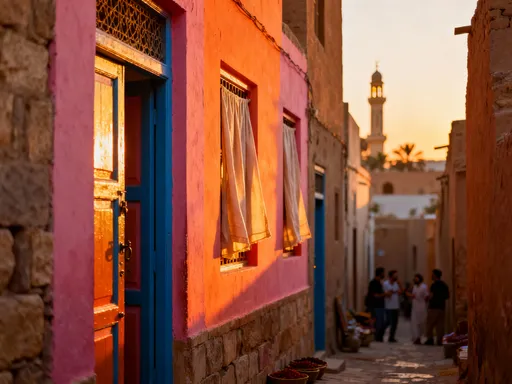
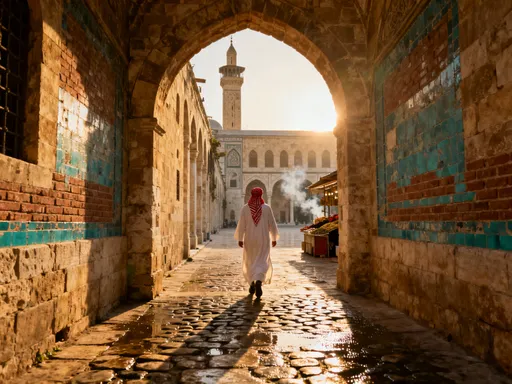
Nearby, the Ubungo Mosque serves as a center of Islamic life in the city. Its elegant minaret rises above the surrounding rooftops, and during the midday adhan (call to prayer), the air fills with a hauntingly beautiful chant that draws worshippers from nearby streets. Unlike some tourist-oriented mosques, this remains a deeply local space, where men gather on prayer mats laid out in orderly rows, and community elders exchange news after services. Photography should be done discreetly and only from outside the prayer hall, with permission always sought before capturing images of individuals.
Another iconic structure is the Kariakoo Clock Tower, a colonial relic that has become a symbol of civic pride. Originally constructed by the British administration, it now stands at the edge of one of Africa’s busiest informal markets. Locals use it as a meeting point, saying, “Let’s meet under the clock,” much like Parisians gather at the Arc de Triomphe. The best time to visit is early morning, when the sun casts long shadows across the square and traders begin setting up their stalls. Here, history isn’t frozen—it’s alive, functional, and woven into the rhythm of everyday commerce.
Art in the Alleys: Street Culture and Creative Expression
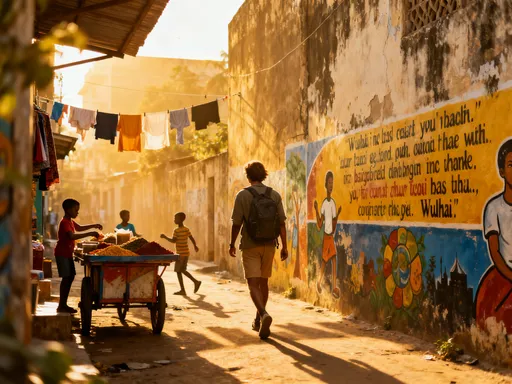
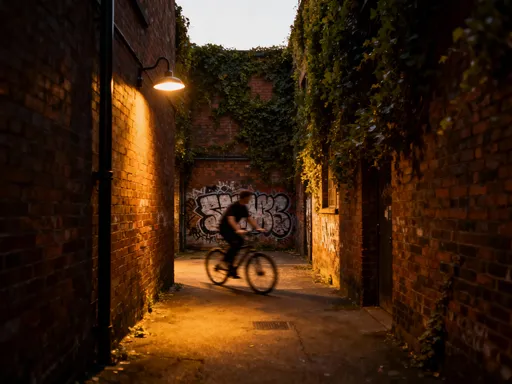
Beyond the main thoroughfares, Dar es Salaam’s side streets pulse with creative energy. Murals adorn building walls, transforming ordinary alleyways into open-air galleries. One particularly vivid painting in the Upanga district depicts a fisherman casting a net beneath a full moon, accompanied by the Swahili proverb: Asiyesikia la mkuu, huvunjika mkono. (He who does not listen to advice suffers consequences.) These visual stories blend tradition with contemporary commentary, offering passersby both aesthetic pleasure and moral reflection.
Local artist collectives have turned forgotten corners into vibrant studios. In areas like Mikocheni and Ubungo, painters work on large canvases propped against crumbling walls, their brushes dancing in bright yellows, deep blues, and earthy reds. Sculptors carve figures from ebony and mahogany, selling pieces directly to interested visitors. Some of these artists welcome onlookers, happy to explain their inspiration—whether it’s a tribute to Tanzania’s independence struggle or a celebration of maternal strength in rural communities.
Walking allows for serendipitous encounters with live creativity. On one afternoon, a spontaneous poetry reading unfolded near a community library, where young performers recited verses in Swahili and English about identity, migration, and hope. Elsewhere, a woodcarver demonstrated his craft using simple hand tools, shaping a lion’s head with astonishing detail. These unscripted moments remind travelers that culture is not something to be consumed passively but experienced actively, through dialogue, observation, and shared humanity.
Markets as Living Museums: From Kariakoo to Darajani
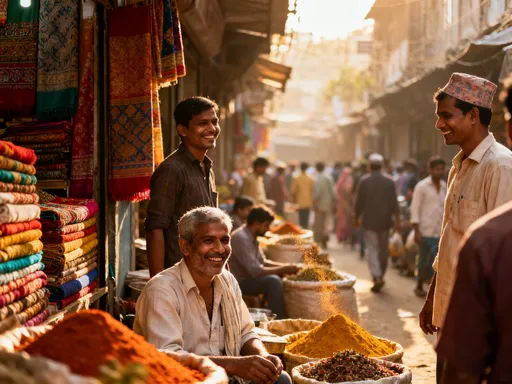
No visit to Dar es Salaam is complete without stepping into its legendary markets, where commerce, culture, and community converge. Kariakoo Market, one of East Africa’s largest informal trading centers, operates with a frenetic yet organized energy. Narrow aisles overflow with goods: bolts of kitenge fabric in dazzling patterns, pyramids of ripe tomatoes, stacks of secondhand clothing, and rows of mobile phone accessories. The air hums with bartering—shoppers haggle over prices with playful persistence, often ending transactions with a handshake and a smile.
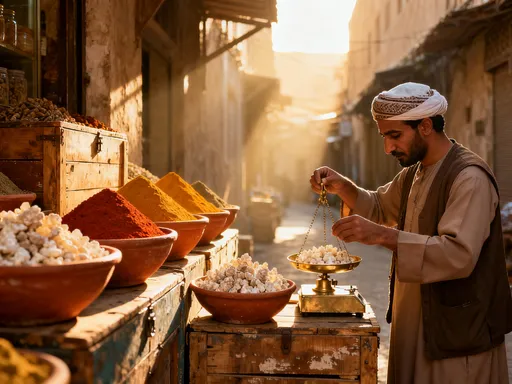
Adjacent to it, Darajani Market offers a more specialized experience, focusing on fresh produce, seafood, and household items. Here, fishmongers display their catch on ice—snapper, kingfish, octopus—while spice vendors offer fragrant blends of cumin, turmeric, and cardamom in reused plastic bags. The market also houses small repair stalls where technicians fix everything from radios to flip phones, a reminder of resourcefulness in everyday life. These spaces are not just economic engines; they are social hubs where news is exchanged, friendships renewed, and traditions preserved.
For the walking traveler, navigating these markets requires awareness and respect. Staying hydrated and wearing comfortable shoes is essential, as pathways can be uneven and crowded. Bargaining is expected but should be done politely—starting at half the quoted price and negotiating upward with humor tends to yield the best results. It’s also wise to carry small bills and avoid displaying valuables. Most importantly, approach each interaction with curiosity rather than condescension. When you show genuine interest in someone’s work or story, doors open that no map can show.
Sacred Grounds: Religious Harmony on Foot
One of Dar es Salaam’s quiet marvels is the peaceful coexistence of different faiths, visible in the proximity of places of worship. In neighborhoods like Ilala and Manzese, a Sunni mosque may stand just blocks away from a Catholic cathedral, with a traditional healing shrine nestled in between. This mosaic of belief systems reflects Tanzania’s broader commitment to religious tolerance, where Muslims, Christians, and followers of indigenous practices live side by side without tension.
Walking through these areas at different times of day reveals the rhythms of devotion. At noon, the call to prayer echoes from minarets, drawing men in white kanzus to communal worship. Later, church bells ring across the same streets as parishioners gather for evening mass. Observing these rituals from a respectful distance—without intrusion or spectacle—offers a profound sense of reverence. Some visitors choose to attend interfaith events hosted at community centers, where leaders from various religions speak about unity and shared values.
The act of walking through sacred spaces fosters empathy. You begin to see religion not as dogma but as lived experience—mothers lighting candles for their children’s health, elders offering quiet prayers at roadside shrines, or youth groups organizing food drives after Friday prayers. These acts of faith are woven into the fabric of daily life, invisible to those who rush past in vehicles but deeply felt by those who take the time to walk, observe, and listen.
From Past to Present: Colonial Echoes and Post-Independence Identity
Dar es Salaam’s streets tell a story of transformation. Along Mama Ngina Street and Samora Avenue, colonial-era buildings stand as silent witnesses to a complex past. Constructed during German and later British rule, these structures once housed administrative offices, banks, and residences for colonial officials. Today, many serve new purposes—converted into clinics, post offices, schools, and local government buildings. Their architecture—featuring wide verandas, high ceilings, and louvered windows—remains functional in the tropical climate, a rare example of colonial infrastructure adapted for national use.
Yet the city’s identity is no longer defined by its colonial legacy. Walking through newer districts reveals a confident, modern Tanzania. Murals celebrate national heroes like Julius Nyerere, the country’s first president, whose philosophy of Ujamaa (familyhood) continues to influence social policy. Public spaces bear names of independence activists, and schools teach Swahili as the unifying language of a diverse population. The blend of old and new is not a contradiction but a dialogue—one that honors history while asserting self-determination.
This layered identity becomes especially clear when walking through residential neighborhoods. In Oyster Bay and Masaki, modern apartments and embassies coexist with traditional family homes where elders sit under mango trees, sharing stories with grandchildren. Children play games that mix global trends with local rules, shouting in a mix of English and Sheng (urban slang). For the attentive walker, these moments reveal a nation at ease with its past, engaged with the present, and shaping its own future—one deliberate step at a time.
How to Walk Like a Local: Practical Tips for a Meaningful Journey
To fully embrace the walking experience in Dar es Salaam, preparation and mindfulness are key. Begin your explorations early in the morning—between 6:30 and 9:00 a.m.—when temperatures are cooler and activity is just beginning. Late afternoon, from 4:00 to 6:00 p.m., also offers pleasant conditions as the sun softens and street life reawakens after the midday lull. Wear lightweight, breathable clothing that covers shoulders and knees, especially when visiting religious sites. Comfortable walking shoes with good grip are essential, as some pathways may be uneven or unpaved.
Stay hydrated by carrying a reusable water bottle. While bottled water is widely available, using a filtered bottle reduces plastic waste and supports sustainable travel. Always ask permission before photographing people, especially in markets or religious settings. A simple smile and gesture can go a long way. Learning a few basic Swahili phrases—such as jambo (hello), asante (thank you), and unakwenda wapi? (where are you going?)—not only shows respect but often leads to warmer interactions.
For longer distances, consider combining walking with short bajaj (three-wheeled taxi) rides. These colorful vehicles are affordable and can drop you at the edge of a neighborhood, from where you can continue on foot. Avoid carrying large amounts of cash or flashy electronics. Instead, use a secure crossbody bag and keep valuables out of sight. If possible, travel with a local guide or join a community-led walking tour, which ensures safety and provides deeper cultural context.
Finally, carry a small notebook or use voice memos to record your impressions. The details—like the smell of frying samosas at a street cart or the sound of a child singing a school rhyme—are the ones you’ll want to remember. These notes will become treasures, not just of travel, but of human connection.
Walking through Dar es Salaam is more than a physical journey—it is a way of seeing, listening, and connecting. Culture here does not reside behind glass cases or within ticketed entrances. It thrives in the laughter of a street vendor, the brushstroke of a muralist, the call to prayer at dusk, and the shared silence of a history that lives in stone and memory. The city reveals itself not to those who pass through quickly, but to those who slow down, step off paved paths, and let curiosity lead the way. In a world that often celebrates speed, Dar es Salaam reminds us that the deepest discoveries come one deliberate step at a time. So lace up your shoes, open your senses, and walk. The soul of Tanzania is waiting to be found beneath your feet.