You Won’t Believe These Hidden Chill Spots in Curitiba
Curitiba isn’t just Brazil’s greenest city—it’s a haven of relaxed charm hiding in plain sight. I didn’t expect to fall for its tree-lined streets, tranquil parks, and local hangouts where time slows down. This is urban life done right: peaceful, thoughtful, and full of quiet joy. If you're craving authentic moments over crowded attractions, Curitiba’s laid-back scene might just surprise you—deeply.
Why Curitiba Stands Out in Urban Relaxation
Among Brazil’s vibrant and often chaotic cities, Curitiba carves out a unique identity rooted in calm, order, and environmental care. Unlike the fast-paced energy of Rio de Janeiro or the sprawling intensity of São Paulo, Curitiba offers a refreshing balance between city convenience and natural serenity. Its reputation as one of Latin America’s most sustainable cities is not just marketing—it’s visible in the wide avenues shaded by towering trees, the efficient public transit, and the thoughtful integration of green spaces into everyday life. Families stroll through parks on weekends, children play safely on tree-lined sidewalks, and the air feels cleaner, even in the heart of downtown.
The city’s urban planning has long prioritized quality of life. In the 1970s, visionary leaders introduced innovative transportation systems and zoning laws that preserved green areas while allowing growth. Today, residents enjoy one of the highest standards of living in the country, with access to culture, education, and nature all within easy reach. Low crime rates compared to other major Brazilian cities further enhance its appeal, especially for travelers seeking safety without sacrificing authenticity. For women traveling alone or families exploring together, this sense of security adds immeasurable value to the experience.
What truly sets Curitiba apart is its ability to feel both modern and grounded. Skyscrapers rise beside botanical gardens, and busy shopping districts give way to quiet plazas where birdsong drowns out traffic. This harmony between urban development and environmental stewardship creates an atmosphere ideal for slow travel—where the goal isn’t ticking off landmarks, but soaking in the rhythm of daily life. Whether you’re sipping coffee at a sidewalk café or wandering through a flower-filled park, there’s a sense that the city was designed not just for efficiency, but for peace.
Tanguá Park: Nature’s Escape Within the City
Tucked into the hills on the northern edge of Curitiba, Tanguá Park is a masterclass in blending dramatic natural landscapes with thoughtful design. Built around a former quarry, the park now features cascading waterfalls, winding stone paths, and a striking glass-enclosed lookout perched above a deep green ravine. The air here carries the crisp scent of moss and wet rock, and the constant murmur of falling water creates a soothing soundtrack for reflection. It’s easy to forget you’re still within city limits—until you glance up and see the orderly rooftops nestled among the trees in the distance.
Visitors descend through a series of terraced gardens, each offering new perspectives on the landscape. Ferns and native bromeliads thrive in the cool, shaded environment, while wooden bridges cross over bubbling streams. The park’s centerpiece is the transparent lookout, a modern architectural addition that allows panoramic views without disrupting the natural setting. Standing inside, it feels as though you’re floating above the treetops, surrounded by mist and greenery. This is especially magical in the early morning, when sunlight filters through the fog and songbirds begin their daily chorus.
Tanguá Park is easily accessible by public bus or taxi, and the entrance is free, making it a favorite among locals and budget-conscious travelers alike. Because it’s slightly off the main tourist trail, crowds are light, even on weekends. The best time to visit is weekday mornings or late afternoons, when the light is soft and the paths are quiet. Comfortable walking shoes are recommended, as the terrain can be uneven, but the trails are well-marked and suitable for most fitness levels. For those seeking a moment of stillness, a bench near the lower waterfall offers a perfect spot to sit, breathe, and simply be.
Botanical Garden: Where Tranquility Blooms
No image captures the soul of Curitiba quite like the iconic greenhouse of the city’s Botanical Garden. This grand metal-and-glass dome, inspired by London’s Crystal Palace, rises gracefully from a sea of flowerbeds and manicured lawns. Inside, sunlight streams through the lattice ceiling, casting delicate shadows over pathways lined with palms, orchids, and tropical ferns. Benches are thoughtfully placed beneath arching branches, inviting quiet contemplation. It’s not uncommon to see a woman reading a book in the morning light or a couple sketching the intricate ironwork—this is a place where time feels suspended.
The surrounding gardens are equally enchanting, with themed sections showcasing native Brazilian flora, Japanese-inspired landscapes, and seasonal blooms that shift with the months. In spring, carpets of red and yellow flowers create a vivid contrast against the green hills, while autumn brings golden hues and fewer visitors. The garden is a beloved retreat for locals, many of whom come daily for walks, meditation, or photography. Its peaceful energy is palpable, making it an ideal destination for anyone needing a reset from travel fatigue or daily stress.
To make the most of your visit, arrive shortly after opening, around 9 a.m., when the air is fresh and the crowds are thin. Midday brings more visitors, especially school groups, so early or late visits offer a more intimate experience. Photography is welcome, but flash is discouraged inside the greenhouse to protect the plants. Visitors are asked to stay on designated paths and refrain from picking flowers, ensuring the space remains pristine for all. With its combination of architectural beauty and living nature, the Botanical Garden stands as a symbol of Curitiba’s commitment to harmony between people and the environment.
Patio Batel & Surrounding Cafés: Urban Unwinding Done Right
If Curitiba has a sophisticated heartbeat, it pulses in the Batel neighborhood, particularly around Patio Batel, an open-air complex that blends boutique shopping, green spaces, and al fresco dining. Unlike enclosed malls, this area feels light and airy, with fountains, flower displays, and wide sidewalks perfect for strolling. Women in stylish yet comfortable clothes browse small shops, while others relax at outdoor tables with glasses of fresh açaí or steaming mugs of coffee. The atmosphere is upscale but never intimidating—there’s a sense of ease, of being able to enjoy the finer things without pretense.
Scattered around the plaza and nearby streets are numerous cafés and juice bars, many with umbrella-shaded tables where you can sit and watch the world go by. These are not just places to eat—they’re social hubs where friends meet, professionals take work breaks, and travelers pause to recharge. While specific restaurant names may change over time, the experience remains consistent: high-quality food, clean environments, and friendly service. Look for spots offering fresh fruit juices, avocado toast, or traditional Brazilian pastries like coxinha—simple pleasures served with care.
The entire area is pedestrian-friendly and well-lit, making it safe to explore even in the evening. Benches and small plazas are tucked between buildings, offering quiet corners for reflection. For visitors, this is an excellent place to experience the city’s modern side while still feeling grounded in comfort. Whether you’re treating yourself to a midday snack or lingering over a late afternoon drink as the sun dips behind the buildings, Batel offers urban relaxation at its finest—polished, peaceful, and perfectly paced.
Lagoa do Igapó: A Local Favorite for Lakeside Calm
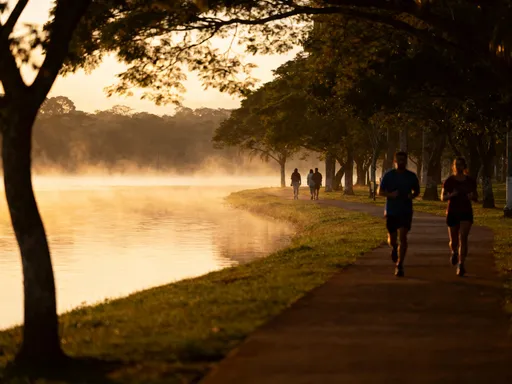
For a taste of everyday Curitiba life, few places rival Lagoa do Igapó. This serene lake, surrounded by tree-lined paths and grassy banks, is a beloved retreat for joggers, families, and couples seeking quiet connection. Unlike tourist-heavy lakes in other cities, this one retains a genuine, unpolished charm. You’ll see grandmothers walking dogs, children chasing ducks, and older couples feeding pigeons on benches—simple moments that speak to the city’s slower rhythm. The water reflects the sky and surrounding trees, creating a mirror-like surface that shimmers in the breeze.
Walking trails circle the lake, offering a flat, accessible route ideal for a gentle stroll or a light jog. Paddle boats are available for rent during daylight hours, adding a playful touch for families or couples. Shaded picnic areas with tables and grills invite relaxed gatherings, especially on weekends when the aroma of grilled meat fills the air. Despite its popularity, the space never feels overcrowded, thanks to its generous size and the city’s overall low population density compared to other Brazilian metropolises.
Golden hour—just before sunset—is the most magical time to visit. The light turns soft and golden, casting long shadows across the water and warming the faces of those who pause to take it in. Photographers and couples often gather along the western path for this fleeting moment. For solo travelers or those seeking introspection, a quiet bench by the reeds offers space to journal, read, or simply breathe. Lagoa do Igapó isn’t about spectacle; it’s about presence. It’s where the city exhales, and so can you.
How to Experience Curitiba Like a True Local
To truly connect with Curitiba, it helps to move beyond guidebook checklists and embrace the rhythm of daily life. One of the best ways to do this is by using the city’s efficient bus system, known for its tube-shaped stations and organized routes. Locals rely on it daily, and riding it offers a window into authentic urban living—women with grocery bags, students with backpacks, elderly couples sharing quiet conversations. For first-time visitors, free walking tours led by local volunteers are an excellent introduction, offering insights into history, culture, and hidden corners you might otherwise miss.
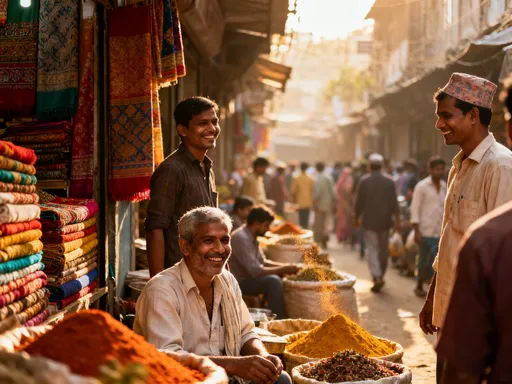
Another way to immerse yourself is by visiting one of the city’s farmers’ markets, such as Feira do Alto or Feira do Batel. These weekend gatherings overflow with fresh produce, handmade cheeses, organic breads, and local crafts. The air is rich with the scent of herbs and roasting coffee, and vendors often offer samples with a smile. Shopping here isn’t just about buying—it’s about engaging, asking questions, and experiencing the warmth of community. Many locals bring reusable bags and arrive early to beat the lines, a small but telling sign of the city’s environmental awareness.
Equally rewarding is setting aside time for unplanned exploration. Wander through quiet residential neighborhoods like Juvevê or Ahú, where pastel-colored houses sit behind flowering gardens and sidewalks remain shaded by tall trees. You might stumble upon a small chapel, a hidden courtyard, or a neighborhood bakery with the day’s bread still warm. These spontaneous discoveries often become the most cherished memories. By balancing structure with openness, travelers can move from being observers to temporary participants in the life of the city.
The Bigger Picture: Why Slow Travel Matters
Curitiba’s quiet magic points to a deeper truth about travel: sometimes the most transformative experiences aren’t found in adrenaline or extravagance, but in stillness and connection. In a world that glorifies busyness, cities like Curitiba remind us that restoration is a valid—and necessary—form of enrichment. Slowing down allows us to notice details: the pattern of light through leaves, the kindness of a stranger, the taste of a perfectly ripe fruit bought from a market stall. These moments may seem small, but together, they rebuild our sense of balance and belonging.
Slow travel is not about rejecting adventure, but redefining it. It’s about choosing depth over distance, presence over productivity. When we allow ourselves to linger, we engage more fully—with places, with people, and with ourselves. Curitiba, with its green lungs, thoughtful design, and unhurried pace, offers a model for what urban life can be: sustainable, humane, and deeply restorative. It shows that a city can thrive without sacrificing peace.
For women in their 30s to 50s—many of whom juggle family, work, and personal well-being—this kind of travel can be especially meaningful. It’s not about escape, but realignment. A morning walk through the Botanical Garden, an afternoon sketching at Tanguá Park, or a quiet coffee by the lake isn’t just leisure—it’s self-care woven into exploration. These experiences nourish the spirit in ways that loud, crowded destinations often cannot.
As you plan your next journey, consider looking beyond the usual hotspots. Seek destinations that invite you to breathe, to observe, to be. Choose places that value sustainability, safety, and serenity. Let Curitiba be an inspiration—not because it’s perfect, but because it proves that a different pace is possible. The world needs more cities like this. And perhaps, we need more moments like these: quiet, meaningful, and deeply human. So take the path less rushed. Explore deeper, not farther. Let your next trip be not just a getaway, but a gentle return—to nature, to calm, to yourself.