You Won’t Believe These Natural Wonders Hidden in Niamey’s Culture
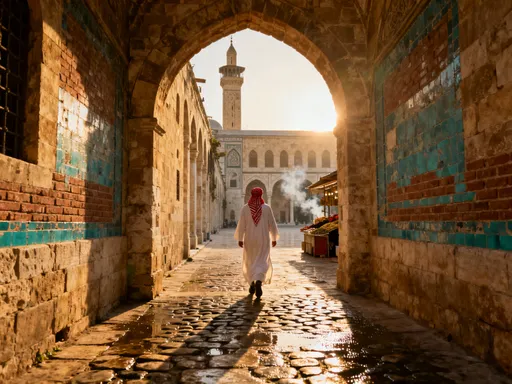
When I first arrived in Niamey, I expected a quiet capital—but what I found was mind-blowing. Beyond the markets and mud-brick architecture lies a landscape where nature and tradition merge in unexpected ways. From ancient rock formations shaped by centuries of wind to river islands alive with local legends, Niamey’s natural wonders are deeply tied to its people’s way of life. This isn’t just sightseeing—it’s cultural immersion at its most authentic. The city, often overlooked on international travel itineraries, reveals itself slowly, rewarding those who take the time to look beyond surface impressions. Here, nature does not exist in isolation; it breathes through daily rituals, crafts, and stories passed from generation to generation. What emerges is a portrait of resilience, harmony, and quiet beauty rooted in the rhythms of the Niger River and the vast Sahelian environment.
First Impressions: Niamey Beyond the Ordinary
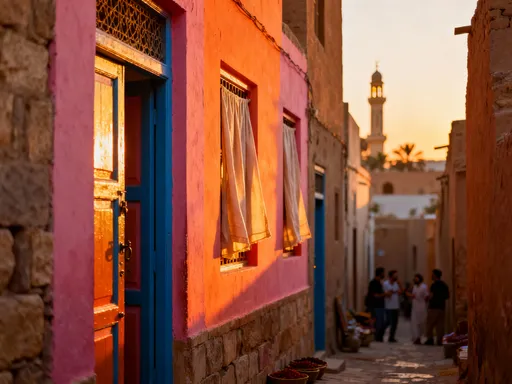
Upon arrival, Niamey presents itself as a modest West African capital—low-rise buildings, dusty streets, and a relaxed pace of life. Many travelers pass through with little expectation, assuming it offers few attractions compared to more famous African destinations. Yet beneath this unassuming exterior lies a city deeply shaped by its geography and history. Situated on the banks of the Niger River, Niamey occupies a strategic position where savanna meets Sahel, and where trade, culture, and ecology intersect. Unlike capitals defined by towering skylines or colonial grandeur, Niamey’s charm unfolds gradually, revealed through encounters with locals, seasonal changes in the landscape, and the subtle interplay between human activity and natural forces.
What sets Niamey apart is how seamlessly the natural world integrates into urban life. The river is not a distant feature but a central presence, influencing everything from food markets to transportation routes. Women wash clothes along the banks at dawn, fishermen launch pirogues before sunrise, and children play in shallow waters during the dry season. Even the city’s architecture reflects environmental adaptation—mud-brick homes with thick walls that insulate against heat, courtyards shaded by acacia trees, and ventilation systems designed to catch every breeze. These are not accidental choices but centuries-old responses to climate and resource availability, demonstrating a profound understanding of living in balance with nature.
As one begins to explore, it becomes clear that Niamey’s identity cannot be separated from its surroundings. The city is not merely located near the Niger River—it is an extension of it. Seasonal flooding shapes agricultural cycles, water levels dictate fishing yields, and shifting sandbars influence ferry routes. This deep interdependence fosters a culture of observation, patience, and adaptation. Visitors who take the time to notice these rhythms often leave transformed, carrying with them a renewed appreciation for how environment shapes community, tradition, and worldview. Niamey challenges the notion that natural wonders must be remote or dramatic; here, wonder resides in the everyday.
The Niger River: Lifeblood of the City and Its People
The Niger River is the defining force of life in Niamey, coursing through the city like a pulse. Unlike the Nile or the Amazon, it may not dominate global imagination, but within this region, its importance is unparalleled. Each year, the river undergoes a transformation—swelling during the rainy season, then receding to reveal sandbanks and islands that become temporary farmlands. This annual cycle governs the lives of thousands, dictating when crops are planted, when fish are abundant, and when boats can navigate safely. For the people of Niamey, the river is not just a water source; it is a provider, a teacher, and a sacred presence woven into folklore and daily practice.
Fishing remains one of the most visible expressions of this relationship. At dawn, wooden pirogues glide across the water, their occupants casting nets with practiced precision. Many families depend on the river for protein and income, selling tilapia, catfish, and carp in local markets. Traditional methods persist—handwoven nets, bamboo traps, and knowledge of fish behavior passed down orally. These practices are not only sustainable but also deeply respectful of the ecosystem. Overfishing is rare, as community norms regulate access and ensure that breeding seasons are protected. In this way, conservation is not a modern policy but an inherited wisdom.
Agriculture along the riverbanks, known locally as décrue farming, takes advantage of the receding floodwaters. As the river shrinks, fertile silt is left behind, creating ideal conditions for growing vegetables like onions, tomatoes, and okra. Farmers plant quickly, harvesting within weeks before the next rise. This short-cycle farming requires precise timing and intimate knowledge of hydrological patterns. It also fosters cooperation—land is often shared, and labor is exchanged among neighbors. The result is a dynamic, communal approach to food production that strengthens social bonds while maximizing natural opportunity.
Culturally, the Niger River inspires music, poetry, and spiritual beliefs. Songs praise its generosity, while elders recount tales of spirits said to dwell in deep pools. Certain sections of the river are considered sacred, where fishing is prohibited or rituals are performed before the start of the season. These traditions reinforce a sense of stewardship, reminding younger generations that the river gives only if respected. Even in modern Niamey, where urbanization pressures grow, these values endure, serving as a moral compass in an era of environmental change.
Île de Gao: A Hidden Oasis with Deep Roots
Just a short boat ride from central Niamey lies Île de Gao, a green sanctuary rising from the river like a secret garden. Lush with palm trees, banana groves, and dense vegetation, the island offers a striking contrast to the surrounding arid plains. Accessible only by pirogue, it feels worlds away from city life—quiet, shaded, and alive with bird calls and rustling leaves. Though small in size, Île de Gao holds outsized significance as a place of refuge, cultivation, and cultural continuity. For generations, families have lived here in relative isolation, maintaining farming techniques and social customs that reflect a deep bond with the land and water.
Life on the island revolves around the flood cycle. During the high-water season, residents retreat to elevated homes built on mounds, waiting for the waters to recede. Once the silt is exposed, they plant crops using no synthetic fertilizers—only organic matter and careful crop rotation. Their methods are low-tech but highly effective, relying on observation, timing, and communal effort. Children learn early how to transplant seedlings, manage irrigation channels, and identify signs of pests or drought. This knowledge is not taught in classrooms but through daily participation, ensuring its survival across generations.
What makes Île de Gao particularly remarkable is its role as a living museum of traditional Sahelian agriculture. The islanders grow indigenous varieties of millet and sorghum, crops adapted to local conditions over centuries. They also cultivate medicinal plants, using them to treat common ailments such as stomach issues or fevers. Visitors who come with local guides often leave with a deeper understanding of how food, health, and environment are interconnected in this context. There is no separation between “nature” and “culture”—they are one and the same.
Despite its beauty, the island faces challenges. Rising temperatures, unpredictable rainfall, and upstream dam construction have altered the river’s flow, affecting planting schedules and yields. Some families have begun to migrate to the mainland in search of stability. Yet, efforts are underway to preserve the island’s way of life. Community-led initiatives promote eco-tourism, allowing visitors to stay in simple guesthouses, participate in farming activities, and learn directly from residents. These experiences foster mutual respect and provide economic alternatives that support sustainability rather than displacement.
The Abidiadie Dunes: Where Desert Meets Culture
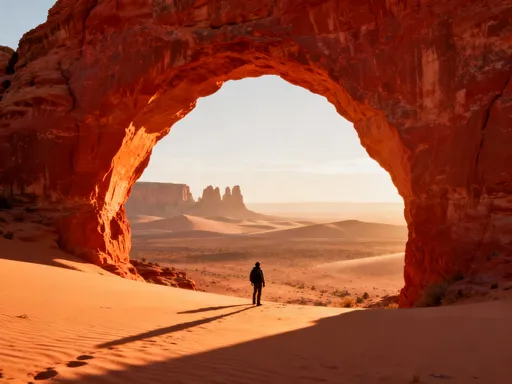
On the northern edge of Niamey, the city gives way to the Abidiadie Dunes—a sweeping expanse of golden sand that marks the southern frontier of the Sahara Desert. This landscape, both stark and beautiful, embodies the harshness and resilience characteristic of the Sahel. Winds shape the dunes into ever-changing patterns, erasing footprints within hours. Temperatures soar during the day, yet nights can be surprisingly cool. It is not a place for the unprepared, but for those attuned to its rhythms, it offers profound lessons in survival, navigation, and coexistence.
For centuries, Tuareg and other nomadic groups have traversed these regions, relying on ancestral knowledge to find water, read the stars, and locate edible plants. Though many now live in semi-permanent settlements, their cultural identity remains rooted in mobility and adaptation. Elders speak of hidden wells, underground aquifers, and seasonal oases known only to those who have walked the land for decades. They describe how certain plants, like the acacia or the desert date palm, signal the presence of moisture beneath the surface. This knowledge is not written down but memorized and shared through oral tradition, forming a kind of ecological intelligence refined over generations.
Visitors to the dunes are often struck by the silence—a vast stillness broken only by the wind. But those who listen closely begin to notice signs of life: tracks of lizards, nests of ground-dwelling birds, and the faint scent of wild herbs after a rare rain. Local guides explain how each element serves a purpose—camel thorn for fodder, gum arabic trees for resin, and specific grasses for weaving baskets. Nothing is wasted. Even sand plays a role, used in construction, insulation, and traditional medicine.
Cultural festivals occasionally take place near the dunes, celebrating the heritage of desert-dwelling communities. Music, poetry, and camel races bring together people from across the region, reinforcing shared values of endurance, hospitality, and respect for nature. These events are not staged for tourists but are authentic expressions of identity. When outsiders are invited, it is done with care—always with permission, often with a host, and never without acknowledgment of the land’s spiritual significance. In this way, the dunes remain not just a physical landscape but a cultural sanctuary.
Rock Art at the Base of Mont Idoukal-n-Taghès (Near Aïr Mountains Influence)
Though located hundreds of kilometers from Niamey, the cultural influence of the Aïr Mountains—and particularly the area around Mont Idoukal-n-Taghès—extends into the capital’s artistic and historical consciousness. This remote mountain range, part of the Sahara, hosts some of the most significant collections of Saharan rock art in Africa. Carved into stone over thousands of years, these engravings depict elephants, giraffes, crocodiles, and human figures engaged in hunting, dancing, and ritual ceremonies. They offer a window into a time when the Sahara was greener, wetter, and teeming with life—a stark contrast to today’s arid conditions.
While the rock art sites themselves are not within Niamey, their legacy is preserved and celebrated in the city’s museums and cultural centers. The National Museum of Niger, located in the capital, houses replicas, photographs, and interpretive displays that help residents and visitors connect with this ancient heritage. Educational programs introduce schoolchildren to the engravings, emphasizing their value as historical records and artistic achievements. Storytellers weave narratives around the images, imagining the lives of those who created them, thus keeping prehistoric memory alive in contemporary culture.
These engravings do more than document the past—they serve as reminders of environmental change and human adaptability. The animals depicted no longer inhabit the region, having migrated or gone extinct due to climate shifts. Yet their images endure, testaments to a dynamic relationship between people and nature. In Niamey, this awareness informs discussions about conservation, sustainability, and the long-term impacts of ecological disruption. The rock art becomes not just art but a lesson in humility and foresight.
For travelers, understanding this broader cultural context enriches their experience of Niamey. A visit to the museum, combined with conversations with local historians or artists, reveals how deeply the past shapes the present. Even in modern life—through motifs in textiles, rhythms in music, or names of neighborhoods—traces of the ancient Saharan world persist. The rock art may be distant, but its spirit is close at hand.
Local Crafts and Nature’s Materials: Art Born from the Land
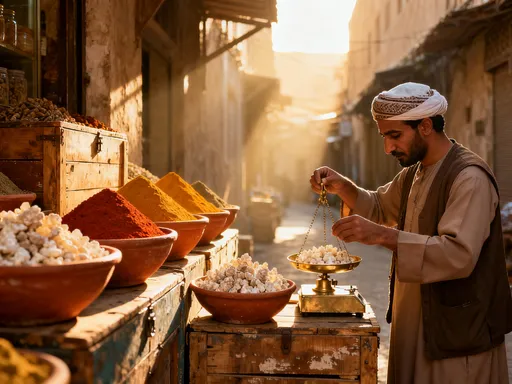
In Niamey’s artisan quarters, creativity flows directly from the earth. Potters shape clay dug from riverbanks into water jars, cooking pots, and decorative vessels. Weavers use reeds and grasses to craft baskets, mats, and fans. Dyers extract pigments from roots, bark, and minerals to color textiles in rich browns, reds, and yellows. These crafts are not merely decorative; they are functional, sustainable, and deeply symbolic. Each object tells a story—not only of skill and beauty but of adaptation and continuity.
Take pottery, for example. Women potters in neighborhoods like Niamey III collect fine alluvial clay after the river recedes. They mix it with sand to prevent cracking, then hand-mold it without a wheel, using techniques unchanged for generations. Once shaped, the pieces are sun-dried and fired in open pits using acacia wood. The resulting pottery is durable, naturally cool, and perfect for storing water in the heat. These jars do not need refrigeration—the evaporation through their porous walls keeps contents fresh. This is innovation born of necessity, perfected over time.
Basket weaving follows a similar logic. Artisans select specific grasses known for flexibility and strength, harvesting them at optimal times of year. Designs often carry meaning—geometric patterns may represent rainfall, fertility, or protection. Some baskets are used for grain storage, others for carrying goods or even as cradles. The process is slow and meticulous, requiring patience and precision. Yet it provides income for many families, especially women, who sell their work in local markets or through cooperatives.
What unites these crafts is their reliance on renewable resources and their transmission through family lines. Skills are taught informally, often from mother to daughter or aunt to niece. There is no formal curriculum, yet the knowledge is precise and comprehensive. In recent years, NGOs and cultural organizations have supported these traditions by promoting fair-trade sales, organizing craft fairs, and documenting techniques before they fade. These efforts recognize that preserving craftsmanship is not just about art—it is about safeguarding a way of life grounded in environmental harmony.
Travel Tips for Experiencing Niamey’s Natural-Cultural Blend
To truly appreciate Niamey’s unique blend of nature and culture, timing is essential. The best period to visit is between November and February, when temperatures are milder and the rainy season has ended. During these months, the Niger River is full but stable, vegetation is lush, and outdoor activities are comfortable. Travelers should avoid the peak heat of April and May, when daytime temperatures can exceed 40°C (104°F), making extended exploration difficult. The rainy season, from June to September, brings dramatic thunderstorms and temporary flooding, which can disrupt transportation but also offers a chance to witness the landscape’s transformation.
When visiting natural and cultural sites, ethical considerations are paramount. Many locations hold spiritual or communal significance, and visitors should approach them with humility and respect. Always ask permission before photographing people, especially women or elders. Some communities may request a small donation or prefer that images not be taken at all—these wishes should be honored without argument. Dress modestly, particularly outside central areas, and follow local customs regarding greetings and interactions.
Engaging with local guides is one of the most rewarding ways to experience Niamey. Certified guides affiliated with community-based tourism initiatives offer insightful, respectful tours of the river, islands, and craft markets. They provide context that enriches the visit, translating stories, explaining traditions, and facilitating meaningful exchanges. Supporting these programs ensures that tourism benefits residents directly, rather than bypassing them through foreign-owned operations.
Finally, travelers should prioritize sustainability. Carry reusable water bottles, avoid single-use plastics, and support businesses that emphasize local sourcing and eco-friendly practices. When purchasing crafts, buy directly from artisans or cooperatives to ensure fair compensation. By traveling mindfully, visitors contribute to the preservation of Niamey’s natural and cultural treasures, helping to protect them for future generations.
Conclusion
Niamey’s true magic lies in the seamless bond between its people and the natural world. These aren’t just scenic spots—they’re living expressions of heritage, resilience, and harmony. By exploring them with respect and curiosity, travelers gain more than memories; they witness a culture shaped by centuries of coexistence with an unforgiving yet generous land. The real wonder? How nature and tradition continue to thrive together, quietly and powerfully, in one of Africa’s least-known capitals. In a world increasingly disconnected from the rhythms of the earth, Niamey offers a profound reminder: that sustainability, beauty, and meaning can flourish when humans listen to the land and honor the wisdom of those who have lived with it longest.