Hidden in Plain Sight: Stuttgart’s Secret Spots That Feel Like a Local’s Dream
You know that thrill when you stumble upon a place that feels like it’s been kept from the maps on purpose? I did—right in the heart of Stuttgart. Forget the crowded tourist trails; this city hides unexpected theme zones where culture, nature, and urban life blend in ways you’d never expect. From underground art lanes to vineyard-embedded chill spots, Stuttgart surprises at every turn. This is travel that feels personal, real, and refreshingly off-radar. Far from the polished brochures and well-worn itineraries, the city reveals its soul in quiet corners—places shaped by generations of locals who value tradition, innovation, and a deep connection to the land. For the thoughtful traveler, especially those who seek meaningful experiences over photo ops, Stuttgart offers a quiet invitation: slow down, look closer, and discover the rhythm of everyday life in a city that thrives beyond the headlines.
Beyond the Car Museums: A Different Side of Stuttgart
Stuttgart is globally celebrated as the cradle of automotive excellence, home to the iconic Mercedes-Benz and Porsche museums that draw millions each year. These attractions are undeniably impressive—gleaming testaments to engineering mastery and industrial heritage. Yet, for all their brilliance, they represent only one layer of a much richer urban tapestry. Beneath the roar of engines and the shine of polished chrome lies a Stuttgart that moves at a different pace—one defined not by speed, but by creativity, green spaces, and community-driven culture. This quieter side of the city often escapes international attention, overshadowed by the mechanical marvels that dominate travel guides and promotional campaigns.
What many visitors don’t realize is that Stuttgart’s industrial legacy has become a foundation for cultural reinvention. Former factory districts have been repurposed into art studios, experimental performance spaces, and sustainable living projects. The city’s strong economy, fueled by engineering and technology, has created the stability needed to support grassroots initiatives. Public investment in urban design, environmental sustainability, and cultural programming has allowed alternative scenes to flourish without being commercialized or displaced. This balance between innovation and authenticity is rare in modern European cities, making Stuttgart a compelling case study in how post-industrial cities can evolve without losing their soul.
For the traveler willing to look beyond the obvious, this shift opens up a new way of experiencing the city. Instead of following the well-trodden path from one car museum to another, it’s possible to explore neighborhoods where local artisans craft ceramics, where urban gardens bloom on former parking lots, and where music festivals take place in converted tram depots. These experiences aren’t hidden because they’re inaccessible—they’re overlooked because they don’t fit the expected narrative. But for those who seek them, they offer a deeper, more intimate understanding of what Stuttgart truly is: a city that honors its past while quietly shaping its future.
The Killesberg Park Secret: More Than Just Green Space
Killesberg Park is often listed in guidebooks as a pleasant green escape in northern Stuttgart, but few realize how deeply curated and thematically rich this space truly is. More than just a collection of lawns and flowerbeds, Killesberg functions as a living exhibition of landscape architecture, sustainable design, and community leisure. Opened in 1939 and expanded over decades, the park was designed not only for recreation but as a statement of urban harmony—where nature and human creativity coexist in thoughtful dialogue. Today, it remains one of the city’s best-kept secrets for travelers who appreciate beauty with purpose.
One of the park’s most captivating features is the Panoramasteg, a 20-meter-high treetop walkway that offers sweeping views of Stuttgart’s skyline framed by rustling leaves. Unlike commercial observation decks, this elevated path moves gently through the canopy, allowing visitors to experience the park from a bird’s-eye perspective while remaining immersed in nature. The structure is both elegant and unobtrusive, built with minimal environmental impact. Families, couples, and solo walkers pause along the way, not just to take photos, but to breathe deeply and pause in a city that often moves too fast.
Equally enchanting is the Funkturm Café, housed in a historic radio transmission tower that dates back to the 1950s. With its mid-century modern design and panoramic windows, the café feels like a time capsule of postwar optimism. Locals gather here for coffee and cake, especially during the winter months when the park hosts its magical Lichterfest, or Festival of Lights. For two weeks each December, thousands of LED lights transform the park into a glowing wonderland, with illuminated sculptures, music trails, and open-air markets offering handmade goods and warm drinks. The event draws whispers of excitement across the city, yet remains largely unknown to tourists, making it a rare opportunity to experience a cherished local tradition.
What makes Killesberg truly special is its role as a space for slow living. Unlike bustling city centers or crowded attractions, the park invites visitors to linger. You’ll find elderly couples reading on benches, children exploring the petting zoo, and yoga groups practicing near the water features. There’s no rush, no pressure to “see everything.” Instead, the park encourages presence—a quality increasingly rare in modern travel. For the 30- to 55-year-old traveler, often balancing family, work, and personal well-being, Killesberg offers a gentle reminder that rest is not wasted time, but a vital part of any meaningful journey.
Cannstatter Wasen’s Off-Season Magic
Cannstatter Wasen is best known as the site of the Cannstatter Volksfest, Germany’s second-largest folk festival after Oktoberfest, drawing over four million visitors annually. During those two lively weeks in autumn, the vast floodplain along the Neckar River becomes a sea of beer tents, carnival rides, and traditional costumes. But once the festival ends, the Wasen undergoes a remarkable transformation. Stripped of its temporary attractions, the space reveals its true identity as a year-round public park and recreational hub—dynamic, accessible, and deeply integrated into the daily lives of Stuttgart residents.
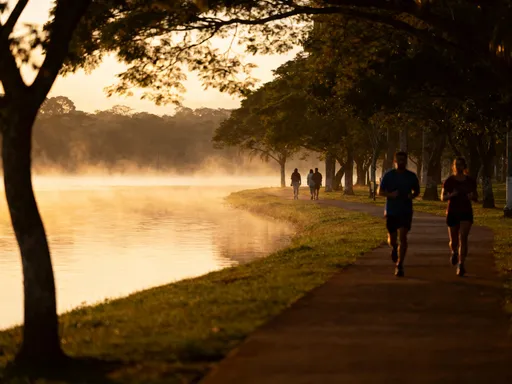
During the off-season, the Wasen becomes a haven for walkers, runners, and cyclists. A network of well-maintained trails follows the riverbank, offering peaceful routes shaded by trees and punctuated by open meadows. Parents bring children to the playgrounds, fitness enthusiasts use the outdoor exercise stations, and dog walkers enjoy the wide, uncrowded paths. The space feels expansive yet intimate, designed for both activity and relaxation. Unlike many urban parks that become quiet or neglected in winter, the Wasen remains lively throughout the year, a testament to thoughtful urban planning and community engagement.
Beyond recreation, the Wasen also hosts community gardens and urban farming initiatives. Local residents cultivate plots of vegetables, herbs, and flowers, fostering a sense of stewardship and connection to the land. These green spaces are not just decorative—they serve as educational hubs where children learn about sustainability and city dwellers reconnect with seasonal rhythms. The integration of agriculture into an urban floodplain is both practical and symbolic, turning a space once vulnerable to flooding into a productive, resilient asset.
The Wasen’s evolution from industrial wasteland to vibrant public space is a model of urban regeneration. Once used for gravel extraction and later as a dumping ground, the area was redeveloped in the 19th century to serve as a festival ground and flood buffer. Today, it fulfills multiple roles: cultural venue, ecological zone, and social connector. For travelers, visiting the Wasen outside of festival season offers a rare glimpse into how Stuttgart values public space—not as a backdrop for tourism, but as a living part of civic life. It’s a reminder that the most meaningful urban experiences often happen not during the spotlight moments, but in the quiet, everyday rhythms that sustain a city.
Werkstatt 11: Where Art Hides in Industrial Skin
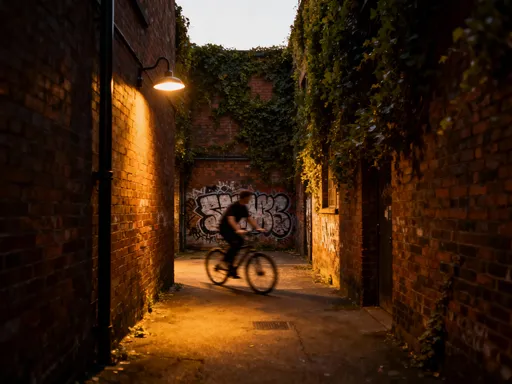
Nestled in the Bad Cannstatt district, within a former railway repair hall, Werkstatt 11 is a thriving cultural incubator that defies easy categorization. Part art gallery, part music venue, part community workshop, this space pulses with creative energy while maintaining a distinctly underground feel. The building’s raw, industrial aesthetic—exposed steel beams, concrete floors, and graffiti-covered walls—sets the tone for an experience that values authenticity over polish. Here, local artists, musicians, and activists gather to experiment, collaborate, and share their work with an audience that values substance over spectacle.
Werkstatt 11 operates on a DIY ethos, with programming shaped by resident collectives rather than corporate sponsors or institutional agendas. Weekly events include indie film screenings, experimental music performances, and pop-up markets featuring handmade crafts and vegan food. The space also hosts workshops on topics ranging from screen printing to urban gardening, fostering skills that empower individuals and strengthen community ties. Unlike commercial venues that prioritize profit, Werkstatt 11 measures success by participation, inclusivity, and creative freedom.
One of the most vibrant aspects of the venue is its weekend vegan market, which draws food enthusiasts from across the region. Stalls offer everything from plant-based pastries to fermented kombucha, all made with locally sourced ingredients. The atmosphere is festive yet relaxed, with live acoustic music and communal seating encouraging conversation between strangers. For visitors, it’s an opportunity to taste the flavors of Stuttgart’s growing sustainable food movement while supporting small-scale producers who prioritize ethics and quality.
For travelers, engaging with spaces like Werkstatt 11 requires a shift in mindset. This is not a place to observe from a distance, but to participate in respectfully. Visitors are welcome, but expected to honor the space’s ethos—arriving with curiosity rather than entitlement, listening before speaking, and supporting local creators when possible. By doing so, they become temporary members of a community that values creativity, sustainability, and mutual respect. In a world where cultural experiences are increasingly commodified, Werkstatt 11 stands as a powerful reminder that art thrives best when it remains rooted in the people and places that give it meaning.
The Vineyard Path Network: A Themed Walk Through Stuttgart’s Soul
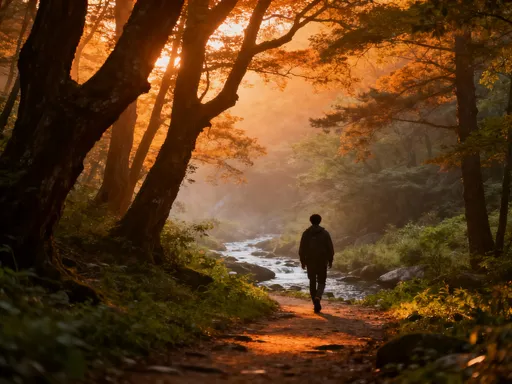
Stuttgart is one of the few major cities in the world where viticulture is woven into the urban fabric. With over 400 hectares of vineyards within city limits, wine is not just a product here—it’s a way of life. The steep slopes of districts like Uhlbach, Rotenberg, and Obertürkheim are blanketed with Riesling, Trollinger, and Lemberger vines, tended by generations of winemaking families. These vineyards are not preserved as historical curiosities; they are actively farmed, producing wines that reflect the unique terroir of the region. For the traveler, walking these paths offers more than scenic views—it provides a direct connection to Stuttgart’s agricultural heart and cultural identity.
The city’s network of vineyard trails is extensive and well-marked, catering to hikers of all levels. Some routes are gentle and paved, ideal for families or casual strollers, while others climb steep inclines, rewarding effort with panoramic vistas of the Neckar Valley. Along the way, hikers pass through quiet villages where time seems to move more slowly, and where the rhythm of life is still tied to the seasons. Signage often includes historical notes and grape varietal information, turning each walk into an educational journey as well as a physical one.
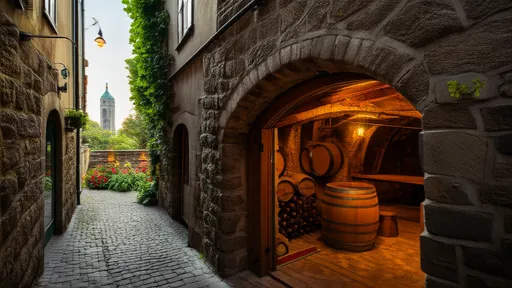
One of the most rewarding aspects of these hikes is the opportunity to visit Besenwirtschaften—seasonal wine taverns operated by local winemakers. These informal establishments open for only a few weeks each year, typically in spring and autumn, when the wine is ready to drink. Inside a converted barn or family home, visitors are served directly by the producers, who pour generous samples of their latest vintages alongside simple, home-cooked dishes like Zwiebelrostbraten (onion roast beef) and Spätzle. There’s no menu, no reservations, and no pretense—just warm hospitality and genuine conversation.
For the 30- to 55-year-old traveler, often seeking meaningful connections and authentic experiences, the Besenwirtschaften offer a rare glimpse into German Gemütlichkeit—coziness, comfort, and conviviality. It’s not uncommon for strangers to share a table, exchange stories, and leave as friends. These moments of human connection are what make travel transformative. By respecting local customs—such as arriving during open hours, dressing modestly, and showing appreciation for the hosts’ generosity—visitors can participate in this tradition without disrupting it. The vineyard paths, therefore, are more than scenic routes; they are pathways to belonging, offering a chance to slow down, savor the moment, and taste the soul of Stuttgart.
Book Mountain in Bad Cannstatt: A Literary Escape
Just a short walk from the historic thermal baths of Bad Cannstatt, tucked between residential buildings and quiet streets, lies a quiet sanctuary for the mind: the Stadtbibliothek’s Bad Cannstatt branch, affectionately known as “Book Mountain.” While not a literal mountain, the nickname captures the essence of this compact yet richly layered library extension. Designed with minimalist elegance, the space features clean lines, natural light, and carefully curated reading zones that invite focus and reflection. Unlike grand national libraries, this is a neighborhood institution—modest in scale but profound in impact.
The interior is organized around themes rather than strict alphabetical order, with sections dedicated to travel, local history, parenting, and wellness. This thoughtful curation makes it easy for visitors to discover new interests and explore topics in depth. Comfortable seating areas, including window nooks and quiet corners, encourage prolonged reading, while free Wi-Fi and charging stations support digital needs. The library also hosts weekly storytelling sessions for children, book clubs for adults, and occasional lectures by local authors, reinforcing its role as a community hub.
Perhaps the most serene feature is the small courtyard garden, a hidden oasis where patrons can read outdoors surrounded by greenery and the soft sound of a water fountain. It’s a rare find in an urban setting—a space designed not for performance or productivity, but for stillness and contemplation. Locals often bring their morning coffee here, settling into a favorite chair with a novel or newspaper. For travelers, especially those traveling with children or seeking a peaceful pause in their itinerary, Book Mountain offers a refreshing contrast to the sensory overload of museums and markets.
What makes this library truly special is its accessibility and warmth. Staff members greet visitors by name, recommend books based on personal interests, and create a welcoming atmosphere for all. There’s no pressure to conform or perform—just the simple joy of reading in good company. In an age where digital distractions dominate, Book Mountain stands as a quiet rebellion, reminding us that knowledge, imagination, and human connection still have a place in the physical world. For the thoughtful traveler, a visit here is not just a stop on the map, but a moment of reconnection with what matters most.
Why These Zones Matter: The Future of Authentic Urban Travel
The hidden spots of Stuttgart—Killesberg’s treetop walk, the Wasen’s off-season trails, Werkstatt 11’s creative energy, the vineyard paths, and Book Mountain’s quiet charm—are not merely “undiscovered gems.” They represent a broader shift in how we understand and experience cities. In an era of overtourism, where popular destinations struggle under the weight of mass visitation, these spaces offer an alternative model: one based on sustainability, cultural preservation, and meaningful engagement. They demonstrate that the future of travel is not about visiting more places, but about connecting more deeply with fewer.
These zones matter because they are shaped by and for the people who live in them. Unlike tourist-centric attractions designed for short-term consumption, they serve long-term community needs—whether through recreation, education, artistic expression, or environmental stewardship. When travelers engage with these spaces respectfully, they contribute to their vitality rather than their erosion. Spending time in a Besenwirtschaft supports a family-run winery. Attending a workshop at Werkstatt 11 strengthens a grassroots initiative. Borrowing a book from Book Mountain honors a public institution. These small acts create a positive feedback loop, where tourism becomes a force for good rather than a burden.
Moreover, these spaces embody principles of sustainability. Killesberg Park uses native plants and rainwater harvesting. The Wasen serves as a natural floodplain and urban green lung. The vineyard paths promote walking and environmental awareness. Even Werkstatt 11, housed in a repurposed industrial building, reflects a commitment to adaptive reuse. By choosing to explore these areas, travelers align themselves with values of ecological responsibility and mindful consumption—values that resonate deeply with many women aged 30 to 55, who often prioritize well-being, family, and long-term impact in their life choices.
As cities around the world grapple with the challenges of tourism, Stuttgart’s hidden zones offer a blueprint for balance. They prove that it’s possible to welcome visitors without sacrificing authenticity, to celebrate culture without turning it into a performance, and to grow without losing one’s soul. The lesson is clear: the most rewarding travel experiences are not found in crowded landmarks, but in the quiet, intentional spaces where life unfolds naturally. The future of urban travel lies not in scaling monuments, but in walking vineyard paths, sipping wine with locals, and reading in sunlit courtyards.
Final Thoughts: See Stuttgart Like a Curious Local
To travel through Stuttgart like a curious local is to move with intention, not itinerary. It’s to wander without urgency, to listen before speaking, and to find joy in the unscripted moments—a shared smile at a vineyard, a quiet hour in a neighborhood library, the crunch of leaves underfoot on a riverside path. These experiences don’t require special access or insider knowledge; they only ask for openness and respect. The city’s hidden spots are not hidden because they’re exclusive, but because they’re lived-in—part of the daily rhythm of people who call Stuttgart home.
For the thoughtful traveler, especially one navigating the complexities of midlife—balancing family, career, and personal fulfillment—Stuttgart offers a powerful reminder: travel is not about escape, but about connection. It’s about finding places that reflect our values, whether that’s sustainability, creativity, or simple human warmth. By seeking out themed micro-destinations in any city—those spaces where culture, nature, and community intersect—we transform tourism from a checklist into a conversation.
So the next time you plan a trip, consider this approach: look beyond the headlines, ask locals for their favorite benches and bakeries, and allow yourself to be surprised. Let your journey be guided not by algorithms or rankings, but by curiosity and kindness. Because the best trips aren’t measured in miles or photos, but in moments of presence—when you feel, however briefly, like you belong. Stuttgart’s secret spots are not just places on a map. They are invitations—to slow down, to engage, and to remember that the soul of a city is always worth discovering.