You Won’t Believe How Bridgetown’s Hidden Spaces Stole My Heart
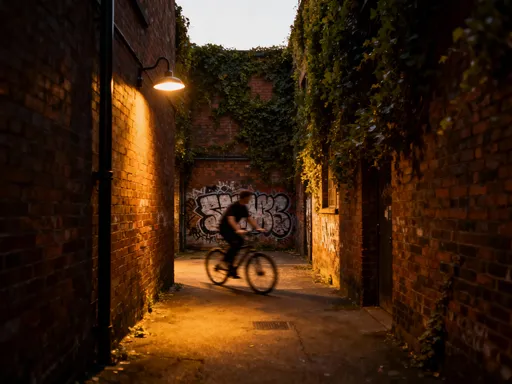
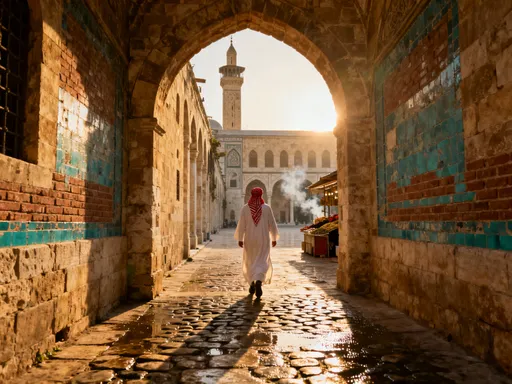
Bridgetown, Barbados, isn’t just palm trees and beaches—its real magic lives in the spaces between. From lively markets to quiet courtyards tucked behind colonial walls, the city moves with rhythm and soul. I wandered with no map and found urban corners that felt both historic and alive. This is about seeing Bridgetown not as a stopover, but as a story written in stone, color, and sunlight. It’s a capital that doesn’t shout but hums—its energy rising from street vendors calling out prices, children laughing near fountains, and elders playing dominoes under century-old trees. To walk its streets is to witness a living heritage, where every alleyway and plaza tells a tale of resilience, community, and quiet joy.
First Impressions: The Pulse of a Caribbean Capital
Arriving in Bridgetown by air, one sees the shimmering coastline, the turquoise embrace of the Caribbean Sea, and the orderly sprawl of a small island capital. But it is upon stepping into the city itself that the true character of Bridgetown reveals itself—not in postcard views, but in the pulse of daily life. The moment you leave the airport shuttle and stand on a sidewalk along Cheapside Street, you’re met with a symphony of sounds: the clatter of market stalls being set up, the rhythmic call of fishmongers, the soft chime of church bells from St. Michael’s Cathedral. The air carries the scent of fried plantain, sea salt, and blooming frangipani, blending the natural and the urban into a single sensory experience.
Most visitors come to Barbados for the beaches, and rightly so—the island’s coastline is breathtaking. Yet, many overlook Bridgetown as merely a transit point, a place to pass through on the way to resort towns like Holetown or Bathsheba. This oversight misses the essence of the island’s cultural heart. While sunbathers relax on the sand, the city breathes with an energy all its own, shaped by centuries of trade, governance, and community life. The streets are not just pathways but stages where history and modernity coexist. Colonial-era buildings stand beside vibrant murals, and horse-drawn carriages share the road with electric minibuses.
What makes Bridgetown special is how its urban fabric shapes human experience. The width of its streets, the placement of its plazas, the rhythm of its pedestrian flow—all contribute to a sense of place that feels both orderly and organic. Unlike sprawling metropolises, Bridgetown maintains an intimate scale. You can walk from the Parliament Buildings to the Careenage in under ten minutes, passing through layers of history and culture. This walkability fosters connection—between people, between past and present, and between visitor and resident. The city doesn’t just host life; it invites participation.
The Heartbeat of Broad Street: Commerce and Culture in Motion
If Bridgetown has a central artery, it is Broad Street. More than just a commercial corridor, it is a living, breathing expression of urban vitality. From sunrise to sunset, the street pulses with activity. Shopkeepers sweep their thresholds, delivery trucks unload crates of tropical fruit, and office workers weave through the crowds with briefcases in hand. Unlike sterile shopping districts found in other capitals, Broad Street feels deeply human. Its storefronts are not uniform glass facades but a mosaic of colors, textures, and hand-painted signs—each one telling a story of family ownership, local enterprise, and generational continuity.
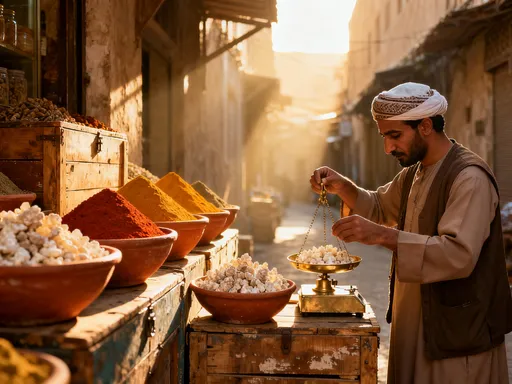
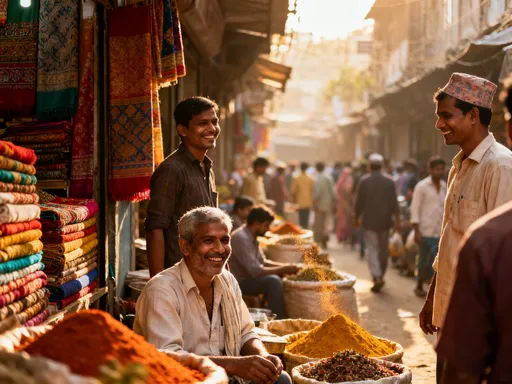
What makes Broad Street so engaging is not just what is sold, but how it is experienced. Street vendors line the sidewalks, offering everything from fresh coconut water to handmade crafts. Their presence transforms the street into a marketplace that feels both spontaneous and deeply rooted. You’ll find women in wide-brimmed hats selling cut mango with a sprinkle of chili, or men balancing trays of Bajan pepperpot on their heads. These informal economies are not disruptions—they are essential threads in the city’s social fabric. They create opportunities for casual conversation, for shared laughter, and for the kind of fleeting human connection that defines city life at its best.
Beyond commerce, the design of Broad Street enhances its role as a public space. Shade structures made of latticed wood and corrugated metal provide relief from the tropical sun, allowing people to linger without discomfort. Benches are strategically placed near bus stops and storefronts, inviting rest and observation. The pedestrian flow is intuitive—wide sidewalks, clearly marked crossings, and traffic calming measures ensure that walking remains safe and pleasant. Even the placement of streetlights and trash bins reflects a thoughtful approach to urban comfort. These details may seem minor, but together they create an environment where people feel welcome to move, gather, and belong.
Historic Cores with Modern Soul: Bridgetown’s UNESCO Layered Identity
In 2011, Bridgetown’s historic district was inscribed as a UNESCO World Heritage Site, recognizing its outstanding contribution to Caribbean urban development and colonial architecture. But unlike some heritage sites that feel frozen in time, Bridgetown’s historic core is anything but a museum. It is a living, working cityscape where 18th-century buildings house modern government offices, banks, and cafés. The Parliament Buildings, constructed in the 1870s, still serve as the seat of Barbados’s legislature. St. Ann’s Garrison, once a military stronghold, now hosts cultural events, cricket matches, and public tours. This seamless integration of past and present is what gives the city its unique depth.
The architecture tells a story of adaptation. Georgian-style buildings with their symmetrical facades and shuttered windows have been preserved not through isolation, but through continued use. You’ll find a heritage-listed warehouse converted into a boutique hotel, or a colonial courthouse now housing a community arts center. These transformations respect the original design while allowing the buildings to serve new generations. This approach to conservation—what urban planners call ‘adaptive reuse’—ensures that history is not just remembered, but lived. It prevents the kind of sterile preservation that turns heritage into spectacle, instead keeping it embedded in everyday life.
Yet, maintaining this balance is not without challenges. Rising property values, tourism pressures, and climate-related risks like coastal erosion require careful management. Local authorities, in collaboration with UNESCO and community groups, have implemented guidelines to protect architectural integrity while allowing for sustainable development. For example, new construction in the historic zone must adhere to height restrictions and design standards that complement the existing streetscape. At the same time, efforts are made to ensure that long-term residents are not displaced by gentrification. This commitment to inclusive preservation reflects a deeper understanding: that a city’s heritage is not just in its buildings, but in its people.
Green Oases in the Concrete: The Role of Parks and Open Spaces
In a tropical capital where the sun rises high and the heat lingers, green spaces are not luxuries—they are necessities. Bridgetown understands this well, and its parks serve as vital lungs for the city. National Heroes Square, once known as Trafalgar Square, is perhaps the most iconic. Framed by palm trees and flanked by historic government buildings, it is a place of both solemnity and celebration. On any given day, you might see office workers eating lunch on benches, schoolchildren on field trips, or families gathering for a weekend festival. The square’s centerpiece—a statue honoring Bussa, a leader of the 1816 slave uprising—reminds visitors of Barbados’s complex history and enduring spirit of resilience.
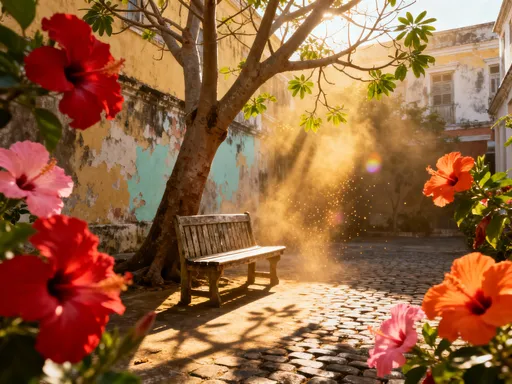
Just a short walk away, Queen’s Park offers a quieter retreat. Shaded by towering mahogany and saman trees, it feels more like a garden than a formal park. The canopy provides natural cooling, making it a favored spot for morning walkers, yoga practitioners, and elderly couples playing chess. Scattered throughout are fountains, flowerbeds, and small kiosks selling cold drinks and snacks. Unlike manicured European parks, Queen’s Park embraces a slightly wilder aesthetic—one that feels in harmony with the island’s climate and culture. It is not about perfection, but about comfort and accessibility.
What makes these spaces so effective is their design for human use. Benches are placed to catch the breeze, pathways are wide enough for strollers and wheelchairs, and lighting ensures safety after dark. Events are regularly scheduled—open-air concerts, art exhibitions, health fairs—turning the parks into dynamic community hubs. They are not passive greenery but active participants in city life. For visitors, these oases offer more than shade; they provide a chance to slow down, observe, and connect with the rhythm of local life. In a world where urban environments often feel alienating, Bridgetown’s parks remind us that cities can be nurturing, too.
Waterfront Reimagined: From Working Port to Public Playground
The Careenage, a natural inlet along the Constitution River, was once the bustling heart of Bridgetown’s maritime trade. Ships from Europe and the Americas docked here to load sugar, rum, and other exports. Today, while commercial activity continues at the nearby deep-water port, the Careenage has been transformed into a vibrant public space. Walkways now line both banks, shaded by sea grapes and frangipani trees. Colorful fishing boats bob beside pleasure craft, and on weekends, the area comes alive with markets, food trucks, and live music. It is a rare example of urban waterfront regeneration that prioritizes people over cargo.
This transformation did not happen overnight. For decades, the Careenage suffered from neglect, pollution, and limited public access. But in the early 2000s, a series of urban renewal projects began to reclaim the space. Dredging improved water quality, new lighting enhanced safety, and floating docks allowed for boat tours and water taxis. Most importantly, the area was opened up to pedestrians. Where once only workers and sailors could pass, now families, joggers, and tourists stroll freely. The result is a mixed-use zone where economy, recreation, and culture intersect.
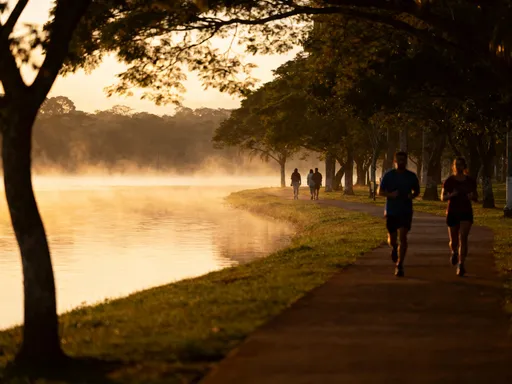
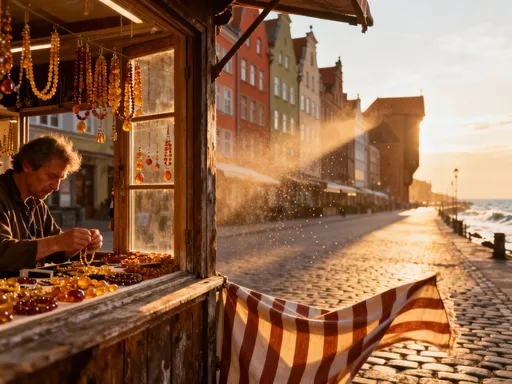
On Saturday mornings, the Bridgetown Market at the Careenage draws crowds with its array of local produce, handmade jewelry, and traditional Bajan dishes. You’ll find vendors selling cou-cou and flying fish, cassava pie, and sweet potato pudding—foods that connect the present to centuries of island tradition. In the evenings, the waterfront becomes a gathering place for sunset watchers, couples on dates, and fitness enthusiasts doing outdoor yoga. The city has even introduced ‘Caribbean Movie Nights,’ where films are projected on a screen by the water. These events foster a sense of ownership and pride among residents, reinforcing that public space belongs to everyone.
Local Life in Full View: How Neighborhoods Shape Urban Authenticity
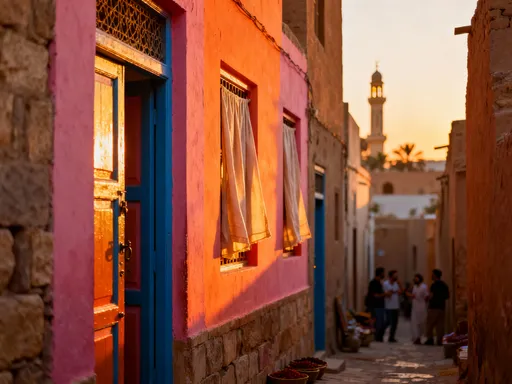
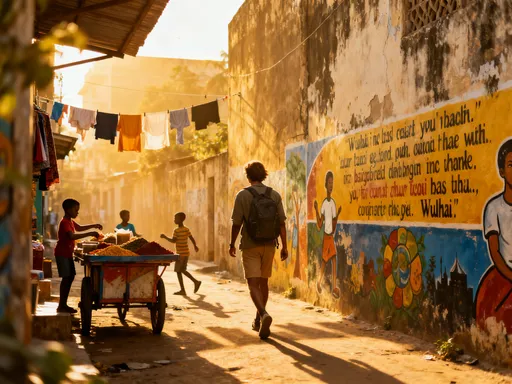
To understand Bridgetown fully, one must move beyond the historic center and explore its residential neighborhoods. Areas like St. Lawrence Gap—particularly its urban stretch near the city—and Roebuck offer a different kind of beauty: unpolished, authentic, and rich with daily ritual. Here, there are no tour guides or souvenir shops, but instead the quiet hum of ordinary life. Women hang laundry between pastel-colored houses, children chase each other through narrow alleys, and men gather at corner shops to play dominoes and debate cricket scores.
These informal spaces are where culture is lived, not performed. A simple bus stop becomes a social hub, where neighbors exchange news and laughter. A roadside fruit stand doubles as a meeting point for schoolgirls on their way home. Even the rhythm of the minibuses—colorful, music-blasting vans that serve as public transit—adds to the city’s character. Their drivers know regular passengers by name, and the routes follow organic patterns shaped by decades of community need. This is urban life at eye level, where every interaction carries meaning.
For travelers seeking authenticity, these neighborhoods offer a rare gift: the chance to witness life as it is, not as it is packaged. There are no admission fees, no guided tours—just the simple act of being present. Walking through Roebuck, you might be invited to taste a slice of fresh breadfruit from someone’s garden, or asked to listen to a steelpan musician practicing in his yard. These moments of unplanned connection are what make travel transformative. They remind us that the soul of a city is not in its monuments, but in its people.
Designing for Discovery: Lessons from Bridgetown’s Walkability
One of Bridgetown’s quiet triumphs is its walkability. In a region where car dependency is common, the city offers a refreshing alternative. Its compact size, combined with thoughtful urban design, makes exploration on foot not only possible but enjoyable. Shade is a key factor—trees, awnings, and covered walkways create a network of cool corridors that protect pedestrians from the midday sun. Signage is clear, with directional markers and historical plaques that encourage curiosity. Traffic calming measures, such as speed bumps and narrowed streets in the historic zone, make crossing safer and more predictable.
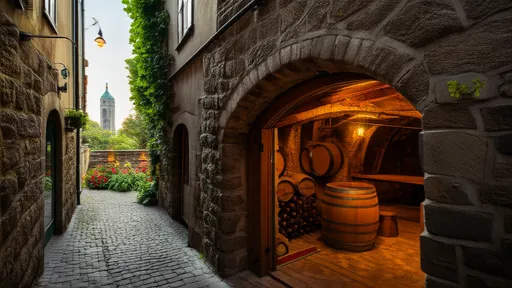
Equally important is the concept of ‘doorway moments’—those small, unexpected encounters that happen when you’re moving slowly. A bakery window displaying coconut turnovers, a mural depicting Bajan folklore, an elder waving from his porch—these details are lost at driving speed but become treasures on foot. Bridgetown’s layout encourages this kind of discovery. Streets are laid out in a grid, making navigation intuitive, yet dotted with alleys, courtyards, and hidden gardens that reward wandering. It is a city that invites you to get slightly lost, knowing you’ll find something beautiful along the way.
For visitors, a few practical tips can enhance the experience. Mornings and late afternoons are ideal for walking, when the light is soft and the air is cooler. Wear lightweight, breathable clothing and comfortable shoes—cobblestone streets and uneven sidewalks demand respect. Carry a reusable water bottle; hydration stations are increasingly available, but it’s wise to be prepared. Most importantly, travel with curiosity. Don’t rush to check off landmarks. Instead, pause. Listen. Let the city reveal itself in its quiet moments—the laughter from a schoolyard, the scent of ginger tea from an open window, the way sunlight hits a painted shutter at golden hour.
Conclusion
Bridgetown teaches us that Caribbean cities are more than backdrops—they’re dynamic, layered, and deeply human. By paying attention to how space is used, not just seen, travelers gain intimacy and insight. The real journey isn’t just to a place, but into its rhythm. From the bustling energy of Broad Street to the serene shade of Queen’s Park, from the historic gravitas of St. Ann’s Garrison to the spontaneous joy of a neighborhood dominoes game, the city reveals itself in fragments that, when pieced together, form a portrait of resilience and warmth. It is not a destination to be consumed, but a story to be lived. Let the streets guide you, and you might just fall in love with the in-between moments—the glances, the sounds, the quiet connections that make a place truly unforgettable.