Wander Where the Sea Shines: Pattaya’s Hidden Corners Unfold
Thailand’s eastern coastline has long drawn travelers seeking sun, sand, and vibrant energy — and Pattaya, often misunderstood, reveals a side far beyond the postcards. I roamed its quiet alleys, coastal trails, and local-favorite viewpoints, discovering landscapes that blend tropical beauty with unexpected serenity. From shimmering bays to breezy hilltops, this city holds layers waiting to be explored at a slow, mindful pace. You don’t just see Pattaya when you wander — you feel it. Beneath the surface of its bustling reputation lies a destination rich with natural charm, cultural depth, and moments of quiet wonder. This is not the Pattaya of late-night lights and crowded sidewalks, but one of morning mist over fishing boats, rustling treetops in hidden parks, and the soft crunch of sand on empty shores. It is a place where the sea shines differently depending on how you look — and how slowly you allow yourself to move.
Reimagining Pattaya: Beyond the Tourist Brochure
Pattaya is frequently labeled as a city of neon, noise, and nonstop activity. While the central beach strip pulses with energy, especially after sunset, this portrayal captures only a fraction of what the destination offers. To reduce Pattaya to a single image is to overlook its geographical and cultural complexity. The city stretches along more than ten kilometers of coastline, flanked by undulating hills, mangrove-lined estuaries, and nearby offshore islands. Its landscape shifts subtly from urban to rural, from developed promenades to secluded coves where the rhythm of life slows to match the tide.
Travelers who embrace a slower, more intentional approach uncover a different Pattaya — one defined not by crowds but by quiet observation. Early mornings on the quieter stretches of beach reveal fishermen hauling in their catch, while late afternoons on Pratumnak Hill offer golden light spilling across the Gulf of Thailand. These are moments not staged for tourists but lived daily by locals, accessible only to those who choose to wander beyond the obvious. The city’s charm lies in these contrasts: the coexistence of vibrancy and stillness, development and nature, convenience and discovery.
What makes this transformation possible is a shift in mindset. Instead of rushing from attraction to attraction, mindful travelers allow themselves to linger. They pause at a roadside fruit stand, sip coconut water under a thatched umbrella, or follow a narrow path leading down to a hidden shoreline. This kind of travel rewards patience and curiosity. It invites engagement with the environment and the people who call Pattaya home. By stepping off the main drag, visitors begin to see how the city functions not just as a tourist hub, but as a living, breathing coastal community with layers worth unraveling.
Jomtien Beach: Laid-Back Rhythm and Morning Light
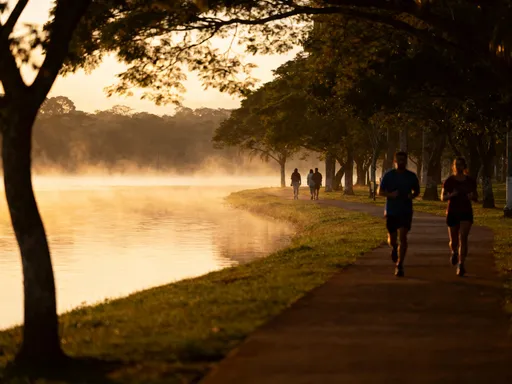
If Pattaya Beach is the city’s heartbeat, Jomtien Beach is its gentle breath. Located just south of the main tourist zone, this stretch of coastline offers a more relaxed alternative without sacrificing accessibility. The sand here is fine and pale, sloping gently into the sea, where waves roll in with a soft, rhythmic hush. Unlike the packed sunbeds and loud music of central Pattaya, Jomtien maintains a laid-back atmosphere, especially in the early hours when the beach belongs to joggers, dog walkers, and solitary figures practicing tai chi near the water’s edge.
Morning is the ideal time to experience Jomtien. The air is cool, the light is soft, and the sky shifts through delicate hues of pink and gold as the sun rises over the water. Local vendors begin setting up their grills, filling the breeze with the smoky aroma of fresh squid, grilled prawns, and spicy som tam salad. These open-air stalls offer not only delicious, affordable meals but also a glimpse into daily life. Sitting on a low plastic stool with a plate of food in hand, travelers connect with the simple pleasures that define coastal Thai living.
Jomtien’s appeal also lies in its balance. While it has seen development — including beachfront restaurants and boutique accommodations — it has resisted the kind of high-rise saturation that dominates other areas. Families, couples, and solo travelers alike find space to unwind. Children build sandcastles near the shore, while others float lazily in the calm shallows. For those who prefer movement, paddleboarding and kayaking are available from small rental stands along the sand. The pace is unhurried, the vibe inclusive, and the sense of escape palpable — all within a short taxi ride from the city center.
Pratumnak Hill: Panoramas and Hidden Trails
Rising just inland from the coast, Pratumnak Hill offers one of Pattaya’s most breathtaking vantage points. Often referred to as the city’s green lung, this elevated area combines natural beauty with sweeping views of the Gulf of Thailand. Winding roads lead past luxury villas and quiet residential lanes, but tucked between them are footpaths that descend into pockets of untouched forest. These trails, though modest in length, provide a sense of immersion in nature that feels worlds away from the urban bustle below.
The hill’s summit features several observation points, each revealing a different perspective. From certain angles, the curvature of Pattaya Bay unfolds like a map, with boats dotting the water and the coastline stretching into the distance. At golden hour, the sea transforms into a mirror of molten light, reflecting the colors of the sky. It is a moment of stillness that invites reflection — a reminder that beauty often reveals itself in transitions, not just destinations.
Beyond the views, Pratumnak Hill is home to a growing appreciation for green space. Local initiatives have focused on preserving native trees and minimizing concrete expansion, allowing the hill to remain a sanctuary for birds, butterflies, and small wildlife. Early risers might hear the call of jungle fowl or spot a monitor lizard slipping through the underbrush. For visitors, the experience is both grounding and uplifting — a chance to breathe deeply, walk quietly, and feel the subtle shift in temperature as the forest canopy blocks the tropical sun.
What makes Pratumnak particularly special is its proximity to the city. Within minutes, one can move from traffic-filled streets to a shaded trail where the only sounds are wind and birdsong. This accessibility makes it ideal for travelers seeking brief respites during their stay. Whether for a morning walk, an afternoon picnic, or a sunset pause, the hill offers a natural counterbalance to Pattaya’s more energetic offerings.
Ko Lan (Koh Larn): Island Escape Just Offshore
A short ferry ride from Pattaya’s Bali Hai Pier lies Ko Lan, a tropical island that feels like a return to simplicity. Known locally as Koh Larn, this destination has become a favored day-trip option for both tourists and Thai families. Ferries depart regularly throughout the day, making the crossing quick and affordable. Upon arrival, visitors are greeted by soft white sand, clear turquoise water, and a noticeable absence of urban noise. The island’s charm lies in its variety — different beaches offer distinct experiences, allowing travelers to choose their ideal pace.
Tawaen Beach, the most developed of the island’s shores, provides easy access to restaurants, restrooms, and water sports. It is ideal for those who want convenience without sacrificing beauty. Samae Beach, located further south, offers a quieter alternative. Here, the sand is just as fine, but the crowds thin out, and the atmosphere turns more contemplative. It is not uncommon to find visitors lying under beach umbrellas with a book, or wading slowly into the water to cool off under the sun.
For those seeking true seclusion, Ta Yai Beach on the island’s western side remains largely undeveloped. Accessible by foot or bicycle, it rewards effort with pristine conditions and panoramic views. The water here is exceptionally clear, making it a favorite spot for snorkeling. Reef fish dart among coral formations just below the surface, and on calm days, the underwater world is easy to explore even without formal gear. Rental shops on the island offer masks, fins, and floatation devices, encouraging low-impact ways to engage with the marine environment.
One of the most sustainable ways to explore Ko Lan is by bicycle. The island’s main road is flat and well-maintained, connecting the beaches with small local markets and refreshment stands. Cycling allows visitors to move at a pace that honors the island’s natural rhythm. It also minimizes noise and emissions, preserving the peace that makes the escape so valuable. As tourism grows, local efforts are focusing on waste reduction and coral protection, ensuring that Ko Lan remains a haven for generations to come.
The Tree House and Coastal Green Spaces
Amid Pattaya’s evolving cityscape, a new kind of destination is emerging — one that blends relaxation with environmental awareness. The Tree House is a prime example. Nestled in a quiet corner near Pratumnak Hill, this nature-inspired café is built among towering trees and lush vegetation. Wooden walkways connect elevated seating areas, while ceiling fans turn slowly overhead and the scent of jasmine drifts through the air. Guests sip organic coffee or fresh fruit smoothies while listening to the rustle of leaves and the occasional call of a jungle bird.
What sets The Tree House apart is its philosophy. It is not merely a place to eat or drink, but a space designed to reconnect people with nature. The use of recycled materials, solar lighting, and minimal plastic reflects a commitment to sustainability. Staff often engage visitors in conversations about local ecology, and small signs throughout the property share facts about native plants and wildlife. For families, it offers a peaceful setting where children can learn about the environment in an immersive way.
Beyond individual venues like The Tree House, Pattaya is expanding its network of green spaces. Mini-parks, coastal promenades, and tree-lined pathways are being integrated into urban planning. These areas serve as breathing rooms — places where residents and visitors can escape the heat, enjoy a shaded walk, or simply sit and observe. Some of these corridors follow natural waterways, supporting small ecosystems while providing flood mitigation benefits.
The growth of green infrastructure signals a shift in how Pattaya is being reimagined. Rather than choosing between development and nature, city planners and community leaders are finding ways to harmonize the two. For travelers, this means more opportunities to experience the city in a balanced way — to enjoy its conveniences while also stepping into spaces that restore calm and clarity. These green oases are not grand attractions, but quiet invitations to slow down and appreciate the simple act of being present.
Sunrise at Bang Saray: Authentic Coastal Living
East of Pattaya, along a quieter stretch of coast, lies Bang Saray — a traditional fishing village that offers a glimpse into coastal life as it has existed for generations. Unlike the developed beaches of the city, Bang Saray remains understated, its rhythm dictated by the tides and the daily work of its residents. At dawn, the scene is especially moving: wooden fishing boats bob gently at anchor, their nets draped over rails to dry. Fishermen repair gear on the shore, their hands moving with practiced ease, while seagulls circle overhead in search of scraps.
The beach here is narrow but clean, lined with casuarina trees that sway in the breeze. A handful of family-run restaurants serve fresh seafood caught that morning — grilled fish, spicy crab curry, and lime-infused soups that burst with flavor. These eateries are not polished or Instagram-ready; they are simple, honest, and deeply rooted in local tradition. Sitting at a weathered table with salt on the air and the sound of waves nearby, visitors experience a different kind of luxury — one measured not by amenities, but by authenticity.
Bang Saray has begun to attract mindful travelers seeking connection over convenience. While it lacks the infrastructure of major tourist zones, it compensates with warmth and sincerity. Children play barefoot in the sand, elders chat on shaded benches, and life unfolds without performance. There are no loudspeakers, no crowds, no pressure to consume. Instead, there is space — to walk, to reflect, to listen.
For those willing to venture beyond the familiar, Bang Saray represents a quiet revelation. It reminds us that travel is not only about seeing new places, but about encountering different ways of living. In a world that often moves too fast, this village offers a model of presence — a life attuned to nature, community, and the cycles of the sea.
Wandering with Purpose: How to Explore Responsibly
As Pattaya reveals its quieter, more reflective side, travelers have a responsibility to protect it. The shift toward mindful tourism is not just about where one goes, but how one moves through a destination. Simple choices can make a meaningful difference. Renting a bicycle instead of a scooter reduces noise and emissions while allowing for a more immersive experience. Carrying a reusable water bottle minimizes plastic waste, especially important in coastal areas where pollution can impact marine life.
Supporting local businesses is another powerful act of respect. Choosing family-run restaurants, buying from market vendors, and hiring local guides ensures that tourism benefits the community directly. These interactions often lead to richer experiences — a conversation with a fisherman, a recipe shared by a café owner, or directions to a hidden path known only to residents. These moments create lasting memories far more vivid than any checklist attraction.
Equally important is the practice of observation over consumption. Instead of rushing to photograph every landmark, travelers are encouraged to pause, listen, and absorb. Sitting quietly on a beach, watching children play, or noticing the way light filters through palm fronds — these are acts of presence that deepen connection. Slow itineraries allow space for such moments, fostering a deeper appreciation for the places we visit.
Respect for nature is equally vital. Staying on marked trails, avoiding coral contact while snorkeling, and refraining from feeding wildlife help preserve delicate ecosystems. Many of Pattaya’s hidden corners are fragile, sustained by careful stewardship. By traveling with awareness, visitors become part of that stewardship, ensuring that beauty endures not just for themselves, but for those who come after.
The Art of Seeing Pattaya Anew
Pattaya is not a destination to be judged by its reputation alone. Like any place shaped by time, tourism, and transformation, it holds multiple truths. Yes, it has energy, noise, and commercial zones. But it also has mornings of silence on empty beaches, hilltop views painted in golden light, and villages where life unfolds in harmony with the sea. To see Pattaya fully is to look beyond the surface, to walk slowly, and to allow the city to reveal itself in layers.
The true value of travel lies not in the number of places visited, but in the depth of attention given. When we move with curiosity and care, we discover not only new landscapes, but new ways of seeing. Pattaya, in all its complexity, invites this kind of engagement. It asks us to set aside assumptions, to step off the main road, and to listen to the quiet rhythms beneath the noise.
So let the sea shine where you wander. Let your脚步 slow, your breath deepen, and your senses awaken. Whether you're sipping coffee in a treetop café, watching sunrise over a fishing village, or cycling along an island shore, you are not just passing through — you are connecting. And in that connection, you find the heart of travel: not escape, but understanding. Not spectacle, but presence. Pattaya, seen anew, becomes not just a place on a map, but a reminder that beauty often waits where we least expect it — just beyond the postcard, just beyond the rush, just beyond the assumption.