Off the Beaten Path: Where Locals Shop in Muscat
Stepping into Muscat’s hidden market corners feels like uncovering a secret no tourist guide reveals. Away from polished malls, the real city pulses in alleyway stalls, family-run souqs, and coastal handicraft hubs. I wandered, curious and unscripted, discovering not just treasures to take home—but stories woven into every handmade rug, silver bracelet, and frankincense blend. This isn’t shopping; it’s connection. In a world where travel often defaults to curated experiences, finding authenticity means stepping beyond the expected. In Oman’s capital, the soul of daily life thrives in small corners where locals gather, barter, and preserve traditions through craft. This journey into Muscat’s true shopping culture is not about souvenirs alone—it’s about meeting the hands behind them, understanding the heritage behind each pattern, and honoring the quiet pride of artisans who keep centuries-old practices alive.
The Allure of Authentic Shopping in Muscat
While Muscat’s modern shopping malls offer comfort and convenience, they tell only a fraction of the city’s story. Air-conditioned corridors lined with international brands cannot replicate the warmth of a sunlit alley where a craftsman polishes a silver khanjar or an elder woman arranges hand-dyed silks on a wooden bench. Authentic shopping in Muscat is an immersive experience—one that engages all the senses and invites travelers into the rhythm of local life. It is in these intimate spaces that visitors gain insight into Omani values: patience, craftsmanship, and hospitality. The appeal lies not only in acquiring unique items but in forming fleeting yet meaningful connections with the people who create them.
What sets authentic shopping apart is its direct link to cultural preservation. When travelers buy from local artisans, they support intergenerational knowledge transfer—whether it’s the technique of weaving palm fronds into baskets, the art of inlaying silver with intricate geometric patterns, or the traditional distillation of rosewater and oud. These practices are not merely economic activities; they are living traditions passed down through families, often unchanged for decades. By choosing to shop locally, visitors become stewards of this cultural continuity, helping sustain livelihoods that might otherwise fade in the face of globalized retail.
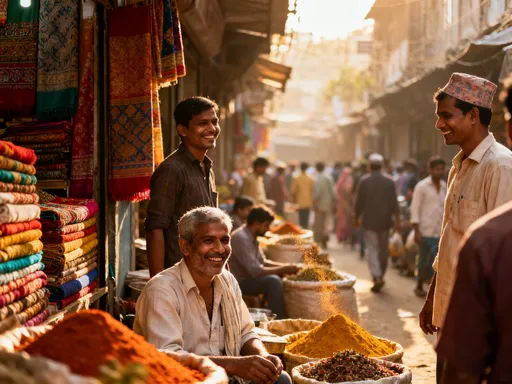
The sensory richness of these markets deepens the experience. The air in Muttrah’s back lanes carries the earthy sweetness of frankincense, mingling with the sharp tang of cumin and cardamom from spice sacks spilling onto stone floors. Voices rise and fall in melodic Arabic as shopkeepers greet regulars and guide newcomers. Fingers trace the coarse weave of hand-spun wool or the smooth coolness of hand-carved wooden boxes. Each interaction becomes a small narrative—of origin, of process, of pride. This is shopping transformed into storytelling, where every purchase carries a memory more lasting than the object itself.
Muttrah Souq: Beyond the Tourist Facade
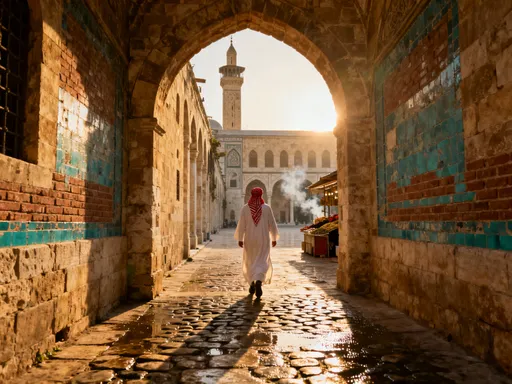
Muttrah Souq stands as one of the oldest and most iconic marketplaces on the Arabian Peninsula, its labyrinthine alleys stretching back over two centuries. While many tourists follow well-trodden paths through its central corridors, the true essence of the souq reveals itself in the quieter, less-trafficked lanes that branch off like capillaries from the main arteries. Here, the pace slows, the light filters differently through narrow skylights, and the commerce feels more personal. These hidden passages are where locals still come to buy daily essentials, consult with trusted spice healers, and commission custom silverwork for weddings and family milestones.
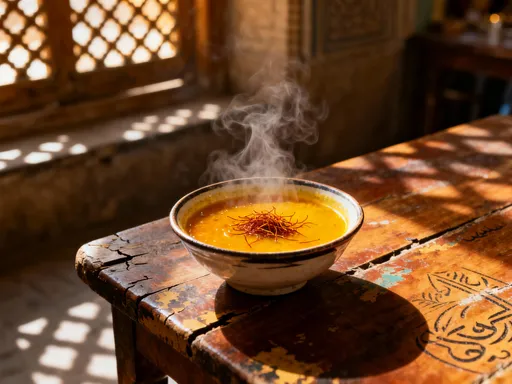
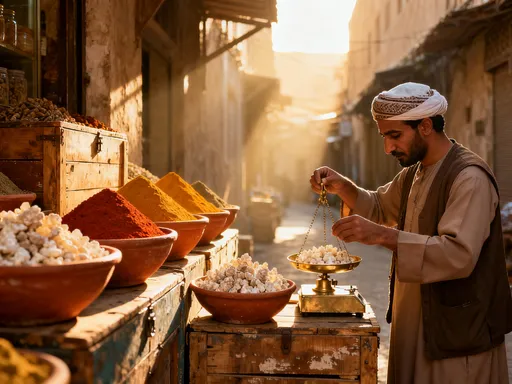
One of the most striking features of Muttrah Souq is its spice section, where mounds of turmeric, saffron, cinnamon, and dried limes create a kaleidoscope of color and aroma. Vendors often blend custom mixes for customers, drawing from recipes handed down through generations. Many of these blends are used not only in cooking but also in traditional wellness practices—such as using cardamom and black lime to aid digestion or frankincense powder for respiratory health. While tourists may be tempted to buy large quantities, a small, carefully selected amount is often more meaningful and practical. Knowledgeable sellers are usually happy to explain uses and storage tips, turning a simple transaction into a brief cultural lesson.
Equally compelling are the gold and silver merchants tucked into narrow corridors, their shops glowing with intricate jewelry displays. Omani silverwork is renowned for its bold designs and symbolic motifs—crescents, stars, and geometric patterns that reflect both Islamic artistry and pre-Islamic tribal influences. Frankincense, Oman’s legendary resin, is another highlight. Trusted vendors can distinguish between grades based on origin, harvest season, and aroma profile. The highest quality, often sourced from the Dhofar region during the summer months, commands respect and a fair price. Travelers are advised to avoid pre-packaged, overly cheap frankincense sold near tourist entrances, as these are often mixed with fillers or lower-grade resins.
To make the most of a visit, timing is essential. The best hours to explore Muttrah Souq are early morning or late afternoon, when the heat of the day has eased and local families are out shopping. Weekdays tend to be less crowded than weekends, offering a more relaxed atmosphere for browsing and conversation. When negotiating prices, a gentle and respectful approach is key. Haggling is expected but should never feel aggressive. Starting at around 70% of the quoted price and moving toward a fair midpoint is common practice. More important than the final price is the exchange itself—smiles, shared tea, and mutual respect often leave a deeper impression than any bargain.
Sidab Craft Village: Where Tradition Meets Handmade Art
Nestled in a quiet coastal area near Muttrah, Sidab Craft Village offers a serene contrast to the bustle of the souq. This government-supported initiative was established to preserve and promote traditional Omani crafts, providing artisans with dedicated workspaces and a platform to sell directly to the public. Unlike mass-produced souvenirs, every item here is made by hand using methods that have changed little over generations. Visitors are not only welcome but encouraged to step inside the small workshops, observe the artisans at work, and even try their hand at basic techniques under patient guidance.
The village hosts a range of crafts, from pottery and weaving to silver engraving and palm-frond basketry. In the pottery section, local potters shape clay on foot-powered wheels, firing their creations in wood-burning kilns. The resulting pieces—earthenware jars, decorative plates, and coffee cups—bear the subtle imperfections of human touch, each one unique. Weavers work at wooden looms, producing textiles in deep reds, indigos, and golds, often incorporating tribal patterns that signify regional identity. Silver artisans, many of whom learned their trade from fathers or uncles, meticulously hand-chisel designs into bracelets, necklaces, and dagger handles, using tools that look centuries old.
What makes Sidab particularly valuable is its emphasis on transparency and education. Price tags are clearly marked, and artisans are available to explain their materials, methods, and the time invested in each piece. A simple silver pendant might take an entire day to complete, while a large woven rug could require weeks. This context helps visitors appreciate the true value of handmade goods and discourages the expectation of ultra-low prices. Ethical purchasing here means recognizing labor, not just aesthetics. Many travelers find that buying directly from the maker transforms a souvenir into a keepsake with emotional weight.
The slow-art movement in Oman is quietly gaining recognition, and Sidab stands at its heart. In an age of fast fashion and disposable goods, these crafts represent sustainability in its most authentic form—materials sourced locally, production powered by skill rather than machinery, and products designed to last. Visitors are reminded that choosing such items is not just a personal preference but a small act of cultural solidarity. The village is easily accessible by car or taxi, with shaded walkways and seating areas that make it family-friendly. Guided tours are available upon request, though wandering independently allows for more spontaneous interactions.
Bait Al Zubair Museum Shop: Culture in Every Object
For travelers seeking authenticity without the sensory overload of a bustling souq, the gift shop at Bait Al Zubair Museum offers a refined yet deeply local shopping experience. Housed within one of Muscat’s most respected cultural institutions, the shop curates high-quality items that reflect Oman’s rich heritage, from miniature khanjars to hand-embroidered dishdashas and traditional coffee sets. Unlike generic souvenir shops, this space treats every object as an extension of the museum’s mission—to educate, preserve, and celebrate Omani identity.
The items available are carefully selected for their craftsmanship and cultural significance. Replicas of the Omani khanjar, the ceremonial dagger symbolizing national pride, are made by licensed artisans using authentic materials and techniques. Embroidered fabrics showcase regional stitching styles, each pattern carrying symbolic meaning—protection, fertility, or tribal affiliation. Coffee sets, complete with brass dallahs (coffee pots) and small finjan cups, are not only beautiful but functional, offering a way to bring Omani hospitality home. Even the packaging is thoughtful, with reusable fabric wraps and informational cards explaining the history behind each product.
One of the shop’s strengths is its balance between tradition and practicality. Many items are compact and travel-friendly, making them ideal for gifts or mementos. Prices reflect fair compensation for artisans, so while they may be higher than mass-market alternatives, they ensure that cultural preservation is supported. The staff are knowledgeable and often bilingual, able to answer questions about origins, usage, and cultural context. This level of service makes the shop especially appealing to visitors who want to make informed, respectful purchases but may feel uncertain navigating the more informal souq environment.
Bait Al Zubair’s shop also serves an educational role. By presenting museum artifacts in a usable format, it bridges the gap between observation and participation. Holding a miniature khanjar or serving coffee in a traditional dallah allows people to engage with culture in a tactile way. This experiential dimension deepens appreciation and fosters a sense of connection. The museum itself is worth visiting before shopping, as understanding the historical context enhances the meaning of each purchase. Located in the Ruwi district, the shop is accessible by car or taxi and open during regular museum hours, typically from Sunday to Thursday.
Al Qurum Natural Park Weekend Market: A Local’s Weekend Ritual
Every Saturday from October to April, Al Qurum Natural Park transforms into a vibrant weekend market beloved by Muscat residents. Unlike commercial bazaars, this seasonal gathering has the relaxed rhythm of a community event—families strolling under palm trees, children chasing bubbles, and the scent of Omani halwa and grilled meats wafting from food stalls. Pop-up vendors line the pathways, offering handmade soaps, organic honey, camel leather bags, and embroidered children’s clothing. The atmosphere is cheerful and unhurried, a snapshot of everyday Omani life beyond formal tourism.
What makes this market special is its focus on local, sustainable production. Many vendors are small-scale entrepreneurs—homemade jam makers, beekeepers, herbalists, and independent designers—who prioritize natural ingredients and ethical practices. One stall might sell lavender-infused soaps made with Omani olive oil, while another offers reusable cotton bags printed with Arabic calligraphy. Camel leather goods, tanned using traditional methods, are both durable and culturally significant, reflecting the animal’s historical role in desert travel and trade. Prices are fair and usually fixed, eliminating the need for negotiation and making the experience more accessible to visitors unfamiliar with local customs.
The market also serves as a space for cultural exchange. Artisans are often present at their stalls and happy to chat about their work. A potter might explain how she sources clay from the foothills, or a spice blender could describe the healing properties of her herbal mixtures. These conversations, though brief, create moments of genuine connection. Families picnic on the grass nearby, turning the outing into a full day of leisure and discovery. For travelers, attending the market offers a rare glimpse into how locals spend their free time—not in malls, but in green spaces filled with creativity and community.
Timing is crucial for visitors. The market operates only during the cooler months and typically runs from late morning to early evening. Arriving around 10 a.m. allows for a relaxed browse before peak crowds. Parking is available on-site, and public transportation options include taxis and ride-sharing services. While the market is informal, it is well-organized and safe, with security personnel and clear signage. Restrooms and shaded seating areas make it comfortable for all ages. Because it is seasonal, checking local event listings before visiting ensures no disappointment. For those seeking authentic, low-pressure shopping, this weekly ritual is a must-see.
Hidden Galleries and Boutique Studios in Ruwi and Old Muscat
Beyond the well-known attractions, Ruwi and Old Muscat harbor quiet pockets of creativity—small galleries, family-run boutiques, and artist studios that rarely appear on tourist maps. These spaces reflect a growing movement of contemporary Omani design, where traditional motifs are reimagined in modern forms. A dress might feature a classic tribal pattern rendered in silk instead of cotton; a wall hanging could combine calligraphy with abstract painting; a lamp might be crafted from upcycled wood salvaged from old dhows. These innovations honor heritage while embracing new expressions, appealing to travelers who value both authenticity and originality.
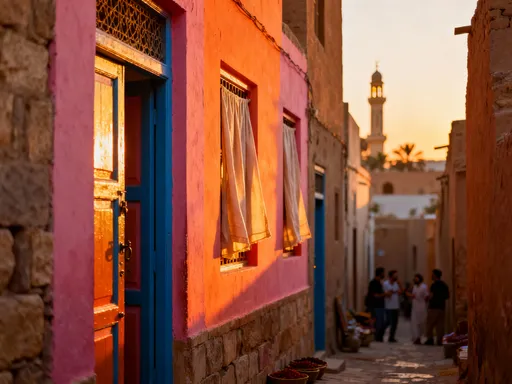
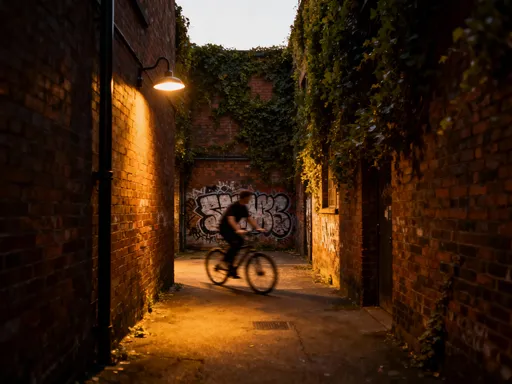
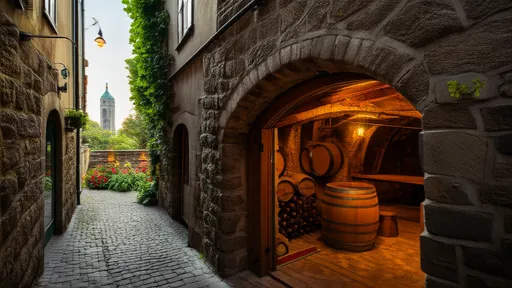
Exploring these neighborhoods rewards the curious and the patient. There are no grand entrances or flashing signs—just unassuming doors with hand-painted signs or no signs at all. Wandering without a strict itinerary increases the chance of serendipitous discovery. A narrow alley might lead to a courtyard studio where a young painter works on a series inspired by Omani landscapes. A ground-floor apartment could double as a boutique selling hand-stitched leather journals and incense burners shaped like traditional towers. These spaces often operate on flexible hours, so a polite knock or a smile can lead to an invitation inside.
While these studios are generally safe and welcoming, a few practical considerations enhance the experience. Visiting during daylight hours, ideally between 10 a.m. and 4 p.m., ensures better access and visibility. Dressing modestly—covering shoulders and knees—is a sign of respect and helps visitors blend in with the local environment. Carrying small bills in Omani rials facilitates purchases, as digital payment options may be limited in smaller shops. Most importantly, approaching each visit with humility and genuine interest opens doors more effectively than any guidebook. These artisans are not performing for tourists; they are living their craft, and a respectful demeanor is deeply appreciated.
The value of these hidden spaces lies in their intimacy. A conversation with a designer might reveal how her grandmother taught her embroidery, or how a particular color symbolizes protection in her region. These stories, shared organically, enrich the traveler’s understanding far beyond surface-level tourism. For those seeking truly unique items—something that cannot be found in any mall or online store—these studios offer treasures that are as much about relationship as they are about object.
Shopping with Purpose: How to Be a Responsible Traveler
Shopping in Muscat’s local markets is more than a transaction—it is an opportunity to travel with intention. Responsible shopping means making choices that respect culture, support livelihoods, and minimize harm. It begins with awareness: understanding that a low price may reflect underpayment of artisans or use of synthetic materials passed off as traditional. It means asking questions—where was this made? Who made it? How long did it take?—not to interrogate, but to show care and curiosity. Vendors appreciate genuine interest, and these conversations often lead to deeper insights.
Fair pricing is central to ethical shopping. While bargaining is customary in souqs, it should not come at the expense of the seller’s dignity or income. A reasonable offer respects the time, skill, and materials involved. In craft villages and fixed-price markets like Al Qurum, haggling is unnecessary and sometimes inappropriate. Counterfeit goods—such as machine-made “handwoven” rugs or imported silver labeled as Omani—should be avoided. These not only mislead buyers but undermine authentic artisans who rely on their reputation for quality.
Equally important is cultural sensitivity. Some symbols, such as certain tribal patterns or religious inscriptions, carry deep meaning and should not be used purely for decoration. Wearing a khanjar as a fashion accessory, for example, may be seen as disrespectful if done without understanding its significance. When in doubt, it is better to observe, ask, and listen. Travelers should also consider the environmental impact of their purchases—choosing reusable, biodegradable, or sustainably sourced items whenever possible.
Ultimately, responsible shopping is about mindset. It is about slowing down, engaging with people, and recognizing that every purchase has a ripple effect. A single bracelet bought from a Sidab artisan supports her family and encourages her to teach the craft to her daughter. A coffee set from Bait Al Zubair helps fund museum programs that educate future generations. These choices, small as they may seem, contribute to a more sustainable and respectful form of tourism—one that honors both host and visitor.
Conclusion
Shopping in Muscat, when done with care and curiosity, becomes more than a checklist of souvenirs. It evolves into a dialogue—one between traveler and artisan, between present and past, between visitor and host. The most valuable finds are not always the most expensive or the most ornate, but those that carry a story, a connection, a moment of shared humanity. Whether wandering the shaded lanes of Muttrah Souq, watching a potter shape clay in Sidab, or sipping tea with a silver匠 in a quiet studio, the essence of Muscat reveals itself not in grand monuments, but in these intimate exchanges.
To shop authentically is to travel deeply. It is to move beyond observation and into participation, to carry home not just objects, but memories woven with meaning. In a world where experiences often feel fleeting, these connections endure. They remind us that the heart of travel lies not in where we go, but in who we meet along the way. So let the next journey to Muscat be guided not by lists, but by curiosity. Step off the beaten path, follow the scent of frankincense, and let the city’s quiet corners reveal their secrets. In doing so, you don’t just take something home—you bring a piece of Muscat’s soul with you, and leave behind a little kindness in return.