Gdańsk Unwrapped: Where Old-World Charm Meets Unexpected Shopping Thrills
Stepping into Gdańsk feels like opening a beautifully aged book—each page holds surprises. I never expected to fall head over heels for its shopping scene, but here we are. From amber-lit boutiques to bustling market stalls, this city blends history and retail in ways that feel both authentic and refreshing. You’ll find more than souvenirs—you’ll discover stories, craftsmanship, and moments that stick with you long after you leave. This is not about ticking off tourist boxes; it’s about slowing down, connecting with place, and bringing home something that carries meaning. Gdańsk offers a rare kind of retail journey—one where every purchase feels like a quiet conversation with the past.
First Impressions: Walking Into a Living Postcard
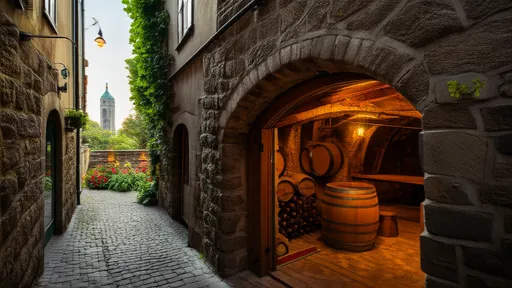
Arriving in Gdańsk, one is immediately wrapped in a sense of timelessness. The city unfolds like a painted stage set, where every corner seems designed for wonder. Cobblestone streets glisten after a morning rain, reflecting the vibrant hues of centuries-old buildings in shades of ochre, terracotta, and deep sapphire. The air carries a crisp Baltic freshness, mingled with the faint scent of freshly baked bread from corner bakeries and the occasional whiff of sea salt drifting in from the Motława River. It’s this sensory richness that sets Gdańsk apart—not just as a destination, but as an experience that begins the moment you step onto its historic streets.
The Long Market, or Długi Targ, serves as the city’s grand entrance hall. Once the ceremonial route for visiting dignitaries, it now welcomes travelers with the same regal flair. Lined with reconstructed Renaissance townhouses, each facade more ornate than the last, the square pulses with quiet energy. Tourists pause to photograph the iconic Neptune Fountain, while locals sip coffee at sidewalk cafés tucked beneath arched passageways. This seamless blend of daily life and historical grandeur creates an atmosphere where shopping isn’t just transactional—it’s immersive. Every shopfront, from a tiny confectionery to a family-run textile store, feels like part of a living museum.
What makes this environment so conducive to meaningful shopping is its authenticity. Unlike cities where tourism has overshadowed local character, Gdańsk maintains a delicate balance. Yes, there are souvenir stands and guided tours, but they coexist with pharmacies that have operated since the 1800s, bookshops with handwritten signage, and artisans who still craft by hand. The city’s reconstruction after World War II was meticulous, guided by historical records and a deep respect for heritage. As a result, walking through the Old Town isn’t like visiting a replica—it feels real, grounded, and deeply human. This atmosphere invites curiosity and connection, making every purchase feel intentional rather than impulsive.
Długa Street, extending from the Long Market, continues this narrative. Once the city’s main processional route, it now serves as a curated retail corridor where past and present hold hands. The architecture alone tells stories—ornate gables, symbolic carvings, and painted interiors that hint at the wealth and artistry of Gdańsk’s mercantile past. But it’s not just about beauty; it’s about continuity. The same thoroughfares that once carried salt, grain, and amber still host commerce today, now layered with modern boutiques, design studios, and concept spaces. For the discerning traveler, especially those who value tradition and quality, this context transforms shopping from a leisure activity into a form of cultural engagement.
Amber: The Golden Heart of Gdańsk Shopping
No visit to Gdańsk is complete without encountering its most iconic treasure—Baltic amber. Often called “the gold of the North,” this fossilized resin has been central to the city’s identity for over a thousand years. Washed ashore by the Baltic Sea after storms, raw amber pieces are collected along the coast and brought to artisans in Gdańsk, where they are shaped, polished, and transformed into wearable art. The city’s reputation as the amber capital of the world is well earned, with a tradition of craftsmanship that dates back to the Hanseatic League era, when Gdańsk was a major trade hub connecting Northern Europe.
What sets genuine Baltic amber apart is not just its beauty, but its scientific and historical significance. Formed over 40 million years ago, this organic gem often contains inclusions—tiny prehistoric insects or plant matter trapped in the resin—offering a rare glimpse into ancient ecosystems. Unlike synthetic imitations or amber from other regions, Baltic amber contains a unique compound called succinic acid, believed by some to have mild anti-inflammatory properties, though scientific consensus remains cautious. Regardless of its purported wellness benefits, its value lies in its rarity, warmth, and the way it seems to capture light from within, glowing like captured sunlight.
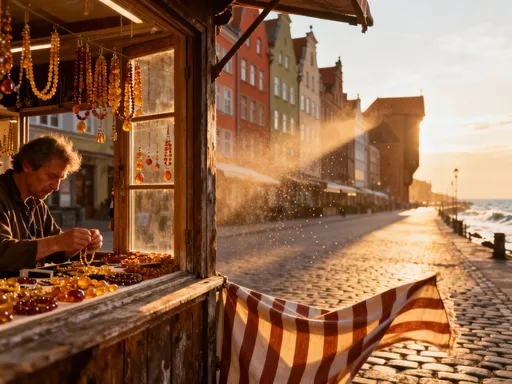
For travelers, the key is knowing where to find authentic pieces. The best places are certified amber workshops and stores that display their craftsmanship openly. In Gdańsk, many artisans work behind glass walls, allowing visitors to watch as raw chunks are cut, shaped, and polished into pendants, earrings, or brooches. These studios often provide certificates of authenticity and are members of the Amber Association, a local trade group that upholds quality standards. Avoid vendors who offer too-good-to-be-true deals or sell amber in tourist-heavy zones without clear provenance. A simple test—rubbing the piece to see if it emits a pine-like scent—can help distinguish real amber from plastic imitations, though this should be done gently and with permission.
Shopping for amber in Gdańsk is more than a purchase—it’s a connection to the region’s natural and cultural legacy. Many pieces are one-of-a-kind, shaped by the artisan’s eye and the unique form of the raw material. Choosing a necklace from a family-owned studio, where the same tools have been used for generations, means supporting a living tradition. It’s not just jewelry; it’s a wearable heirloom, a conversation starter, and a quiet tribute to the sea that delivered it. For women who value both beauty and meaning in what they own, amber offers a rare combination of elegance and authenticity.
Beyond Souvenirs: Finding True Local Craftsmanship
While amber may be Gdańsk’s most famous export, the city’s true retail soul lies in its handmade crafts—objects born not from mass production, but from patience, skill, and heritage. In small workshops and family-run shops tucked away from the main tourist drags, local artisans keep centuries-old traditions alive. These are not the kinds of items you’ll find in every airport gift shop; they are expressions of Polish culture, made with intention and care. From hand-thrown pottery to intricately carved wooden boxes, each piece tells a story of place, family, and craft passed down through generations.
One of the most rewarding experiences for travelers is meeting the makers themselves. In craft markets like the weekend fair near St. Catherine’s Church, potters demonstrate their wheel-throwing techniques, explaining how local clay is fired at specific temperatures to achieve durability and color. Woolen goods—thick mittens, scarves, and traditional vests—are often dyed with natural pigments and woven on old looms. These textiles are not only beautiful but functional, designed for the region’s cold winters. Speaking with the weavers, one learns about regional patterns—each village once had its own motifs, some symbolizing protection, others prosperity or fertility. To buy a hand-knit shawl is to carry a piece of that symbolism home.
Woodcraft is another pillar of Polish artisanal tradition. In Gdańsk’s craft district, woodcarvers shape birch and oak into delicate figurines, utensils, and religious icons. Many of these carvers come from families in the Kashubia region, known for its distinctive folk art. Their work often features floral patterns, roosters, or pastoral scenes, painted in bold blues, greens, and reds. These pieces are not merely decorative; they reflect a worldview rooted in nature, faith, and community. Purchasing a hand-carved spoon or a small painted box supports not just an individual artist, but an entire cultural lineage.
What makes these items so meaningful is their resistance to disposability. In an age of fast fashion and instant gratification, buying something handmade is an act of mindfulness. It says: I value quality over quantity. I appreciate the time it took to make this. I want to own things that last. For women who manage households and care about what they bring into their homes, these crafts offer a sense of integrity. A hand-thrown mug used for morning tea, a wooden toy for a grandchild, a woolen blanket passed down—these are objects that gather memories, not dust.
Długa Street & the Old Town Arcade: A Stroll Through Retail History
Długa Street, stretching from the Long Market toward the Golden Gate, is more than just a shopping thoroughfare—it’s a journey through time. Every step along its cobblestones reveals layers of history, from the 16th-century facades to the modern boutiques housed within. This street was once reserved for the city’s elite, where merchants and patricians displayed their wealth through elaborate architecture. Today, it remains a symbol of Gdańsk’s enduring elegance, offering a curated mix of fashion, design, and specialty goods that respect the city’s heritage while embracing contemporary tastes.
Walking down Długa, one encounters a blend of old and new. Historic buildings have been repurposed with care—a former apothecary now houses a concept store selling natural skincare and local design objects, while a centuries-old townhouse contains a boutique featuring independent Polish fashion designers. These transitions feel seamless, never forced. The architecture enhances the shopping experience; arched doorways, vaulted ceilings, and original wooden beams create an atmosphere of quiet luxury. Even the lighting—soft and warm—feels intentional, as if the city itself is inviting you to slow down and look closely.
Among the standout shops are those specializing in linen clothing, a fabric deeply rooted in Polish tradition. Lightweight, breathable, and beautifully textured, linen garments are perfect for travel and everyday wear. Local designers offer modern cuts in neutral tones, often accented with hand-embroidered details inspired by folk patterns. These pieces are not only stylish but sustainable, reflecting a growing emphasis on ethical fashion. For women who seek clothing that is both comfortable and elegant, these boutiques offer a refreshing alternative to global fast-fashion brands.
To make the most of a visit, timing is key. Early mornings, just after shops open, offer the best chance to explore without crowds. The light is soft, the air is quiet, and many shopkeepers are happy to share stories about their products. Weekdays are generally less busy than weekends, and visiting in the shoulder seasons—late spring or early autumn—means pleasant weather and fewer tourists. This allows for a more intimate experience, where shopping becomes a form of discovery rather than a checklist. Długa Street is not a place to rush through; it’s a place to wander, to pause, to let the city reveal itself one shop at a time.
Hidden Markets & Offbeat Finds: Shopping Like a Local
While the Old Town dazzles with its grandeur, some of Gdańsk’s most rewarding shopping happens just beyond the postcard-perfect squares. Venturing into neighborhoods like Wrzeszcz or visiting Hala Targowa, the city’s historic market hall, offers a glimpse into everyday Polish life. These are not tourist spectacles but living spaces where locals shop, chat, and share meals. The rhythm here is different—slower, warmer, more spontaneous. It’s in these spaces that travelers often find the most personal and memorable souvenirs, not because they are expensive, but because they are real.
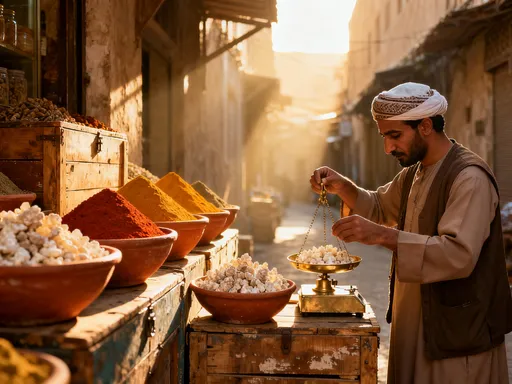
Hala Targowa, housed in a striking early 20th-century building with a glass roof and iron framework, is a feast for the senses. Inside, rows of stalls overflow with seasonal produce, smoked fish, pickled vegetables, and fresh dairy. But it’s the specialty vendors that captivate—beekeepers selling raw honey in wooden jars, grandmothers offering homemade pierogi wrapped in cloth, and spice merchants with pyramids of dried mushrooms and wild herbs. These are the flavors of home cooking, passed down through generations. Buying a jar of honey infused with thyme or a packet of caraway-spiced cheese isn’t just a culinary choice; it’s a way to bring a taste of Gdańsk into your own kitchen.
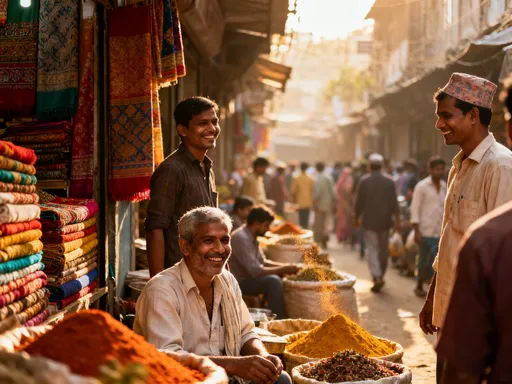
Weekend flea markets and seasonal fairs add another dimension to the city’s retail landscape. Held in schoolyards, church basements, or public squares, these gatherings are treasure hunts in the truest sense. You might find vintage linen tablecloths with delicate embroidery, antique silverware, or hand-painted ceramics from nearby villages. Vendors are often retirees or hobbyists, selling items they’ve collected or made over decades. Bargaining is gentle and polite, more about conversation than competition. A simple “Czy można taniej?” (“Can it be cheaper?”) often leads to a smile and a small discount, accompanied by a story about where the item came from.
For those who love to cook or entertain, these markets are goldmines. Hand-carved wooden bowls, linen napkins, and ceramic serving platters make beautiful, functional gifts. Even small purchases—a bar of goat milk soap, a bundle of dried lavender—carry the essence of place. Shopping here feels personal, almost intimate. It’s not about acquiring things, but about connecting—with people, with culture, with the quiet pride of a community that values handmade, homegrown, and well-loved.
Practical Tips for a Smooth Shopping Experience
To fully enjoy Gdańsk’s shopping offerings, a few practical considerations can make a big difference. The local currency is the Polish złoty (PLN), and while many shops in tourist areas accept euros or credit cards, smaller vendors and markets often prefer cash. It’s wise to carry some złoty for spontaneous purchases, especially in markets or family-run stores. ATMs are widely available, but choosing bank-affiliated machines helps avoid excessive fees.
Bargaining is not common in formal stores, but it’s often welcomed in flea markets or from independent vendors, especially for higher-priced items. The key is to be respectful—start with a polite smile and a reasonable offer. In most cases, prices are already fair, and haggling too aggressively can be seen as impolite. Instead, focus on building rapport; a few words in Polish, like “Dzień dobry” (Good day) or “Dziękuję” (Thank you), go a long way.
Travelers from outside the European Union may be eligible for tax-free shopping. Look for stores displaying the “Tax Free” sticker, and remember to request a refund form at the time of purchase. Keep receipts organized, as they will be needed at the airport when claiming a VAT refund. Not all items qualify, so it’s best to confirm eligibility with the retailer.
Opening hours vary: most shops in the Old Town open around 10 a.m. and close by 7 or 8 p.m., with a possible break in the afternoon. Many close on Sundays, especially smaller boutiques and markets, so planning ahead is essential. Major holidays like Christmas or Easter may affect schedules, so checking locally is recommended.
When it comes to fragile items like amber jewelry, glassware, or ceramics, consider shipping options. Many reputable stores offer secure packaging and international shipping, often at reasonable rates. This is especially helpful for larger purchases or delicate pieces you’d rather not carry through airports. Some shops also provide gift-wrapping with traditional paper and ribbon, making purchases ready to give upon arrival home. For those packing light, digital receipts and warranties can be emailed, reducing the need to carry paperwork.
Why Gdańsk’s Shopping Tells a Bigger Story
At its core, shopping in Gdańsk is not about consumption—it’s about connection. Every amber pendant, hand-thrown bowl, or linen scarf carries a thread of history, resilience, and cultural pride. This city, rebuilt from rubble after the devastation of war, has chosen to restore not just buildings, but traditions. The artisans, shopkeepers, and market vendors are not merely selling goods; they are preserving identity, one handmade piece at a time. To buy from them is to participate in that act of preservation, to honor the skill and spirit behind each object.
For the thoughtful traveler, especially women who value meaning in their choices, Gdańsk offers a rare opportunity: to shop with intention. It’s possible to leave with more than souvenirs—with stories, with understanding, with a deeper appreciation for craftsmanship and heritage. These purchases become part of a personal narrative, reminders of a place that values beauty, history, and human touch in an increasingly automated world.
In the end, Gdańsk teaches us that retail can be meaningful. It can be slow, respectful, and enriching. It can connect us to people we’ve never met, to traditions we’re just beginning to understand. And perhaps most importantly, it can remind us that the things we choose to bring into our lives—whether a piece of amber warmed by the Baltic sun or a hand-knit blanket from a local weaver—can carry not just aesthetic value, but emotional and cultural weight. In Gdańsk, shopping becomes a quiet act of celebration—one that honors the past, supports the present, and invites us to carry a piece of its spirit forward.