Hidden Corners of Manchester: Where Urban Spaces Tell Stories
Ever wondered how a city’s forgotten spaces can feel more alive than its famous landmarks? I stumbled upon Manchester’s quiet courtyards, repurposed mills, and rooftop oases—places most tourists miss. These urban pockets aren’t just empty gaps; they’re breathing spaces filled with art, history, and local soul. If you're craving authenticity over crowds, let me show you a side of Manchester that maps don’t reveal. Beyond the tram lines and well-trodden shopping streets lies a quieter, more intimate city—one that reveals itself slowly, in the rustle of ivy on old brickwork, the echo of footsteps in a hidden alley, or the soft hum of conversation in a sunlit courtyard. This is Manchester not as a destination, but as a living story, written in stone, steel, and greenery.
The Allure of Urban In-Between Spaces
Urban spaces are often defined by what they are not—neither grand monuments nor bustling commercial centers, but the subtle interstices between them. In Manchester, these in-between places hold a unique power. They are not designed for spectacle, yet they invite presence. A narrow passageway tucked behind a 19th-century warehouse, a patch of grass nestled between office buildings, or a disused railway arch transformed into a mural-covered walkway—each of these spaces offers a moment of pause, a breath within the city’s rhythm. Unlike major attractions that demand attention, these quieter zones allow for discovery. They reward curiosity and slow movement, revealing layers of history, community, and creativity often overlooked by hurried visitors.
What makes these spaces so compelling is their authenticity. They are not curated for mass tourism but shaped by local use, time, and necessity. A bench placed just so, a weathered wall painted with ever-changing art, a café that opens only on weekends—these details speak of organic growth rather than top-down design. For the thoughtful traveler, especially one seeking connection over consumption, these pockets offer a more genuine sense of place. They reflect the lived experience of Manchester’s residents, not just its postcard image. In an age where travel can feel increasingly performative, these unassuming corners invite a different kind of engagement—one rooted in observation, reflection, and respect.
Manchester, with its industrial past and resilient spirit, is particularly rich in such spaces. Once a powerhouse of the textile trade, the city has undergone profound transformation. Where cotton mills once roared, quiet courtyards and creative studios now thrive. The city’s evolution has not erased its history but embedded it into the fabric of daily life. These in-between spaces are where the past and present converge, where brick and beam tell stories of labor, reinvention, and community. To explore them is not to escape the city, but to understand it more deeply.
From Mills to Micro-Cultures: The Transformation of Industrial Spaces
Manchester’s identity is inseparable from its industrial heritage. In the 18th and 19th centuries, the city was the epicenter of the global cotton trade, its skyline dotted with towering mills and chimneys. Today, many of these structures have been repurposed, their heavy stone walls and iron beams now housing a new kind of productivity—one centered on creativity, innovation, and community. The transformation of these industrial spaces is not merely architectural; it is cultural. Old mills, once symbols of relentless labor, have become vibrant hubs where artists, designers, tech startups, and independent food vendors coexist.
In Ancoats, one of the world’s first industrial suburbs, this shift is especially visible. Once a densely packed area of textile factories and workers’ housing, Ancoats has undergone careful regeneration. Historic mill buildings like the Murrays’ Mills complex have been restored with sensitivity to their original character while being adapted for modern use. Exposed brick, timber floors, and large factory windows remain, but now they frame co-working spaces, boutique hotels, and craft breweries. The area pulses with a quiet energy—artists work in sunlit lofts, neighbors gather at neighborhood markets, and the scent of freshly baked bread drifts from small artisan bakeries. This is not gentrification without soul, but renewal with continuity.
Similarly, in Castlefield, former warehouses along the Rochdale Canal have been converted into residential apartments and cultural venues. The area retains its industrial bones—cranes, cobbled streets, and canal-side walkways—while embracing new life. Restaurants and wine bars now occupy spaces where goods were once stored, and weekend markets draw locals and visitors alike. The balance between preservation and progress is delicate, but Manchester has managed it with a respect for memory. These spaces do not erase the past; they reinterpret it, allowing history to inform the present.
The appeal of these transformed mills lies in their atmosphere. There is a warmth to aged materials, a dignity in structures that have stood the test of time. They offer a sense of permanence in a world that often feels transient. For travelers, visiting these spaces provides more than aesthetic pleasure—it offers insight into how cities can evolve without losing their essence. The shift from industry to micro-culture represents not just economic change, but a reimagining of urban life, where human connection and creative expression take center stage.
Green Amid Grey: Manchester’s Pocket Parks and Hidden Gardens
In a city defined by brick, steel, and stone, green spaces serve as vital oases. Manchester’s pocket parks and hidden gardens may be small in size, but their impact is profound. These miniature landscapes offer more than visual relief; they provide psychological respite, social gathering points, and ecological benefits. Sunlight Gardens, tucked behind Manchester Central, is a prime example. Once a neglected urban gap, it has been transformed into a lush, low-maintenance garden with winding paths, native plants, and quiet seating areas. Visitors often pause here between events or meetings, drawn by the calming presence of greenery and the soft sound of water from a small fountain.
St. John’s Garden, located near the cathedral, offers another kind of sanctuary. Set within the footprint of a former churchyard, this space blends history and horticulture. Mature trees provide shade, flower beds bloom with seasonal color, and the remains of the old church foundation are preserved as a quiet reminder of the past. Unlike larger parks such as Heaton Park, which require a journey to the outskirts, these smaller green spaces are embedded within the city center, making them accessible to workers, residents, and visitors alike. Their proximity to daily life ensures they are used not as destinations, but as part of the urban rhythm—places to eat lunch, read a book, or simply sit and breathe.
The creation and maintenance of these spaces reflect a growing awareness of urban well-being. Research has consistently shown that access to nature, even in small doses, reduces stress, improves mood, and enhances cognitive function. Manchester City Council, in partnership with local organizations, has recognized this and prioritized the development of green infrastructure. Initiatives like the City of Trees campaign have planted thousands of trees across Greater Manchester, while community gardening projects empower residents to shape their own environments. These efforts are not merely cosmetic; they are investments in public health and social cohesion.
For the traveler, seeking out these hidden gardens offers a chance to experience Manchester at a gentler pace. They are places where time slows, where the city’s noise recedes, and where one can reconnect with the natural world. In a society that often equates value with size and spectacle, these modest green spaces remind us that beauty and meaning can be found in the small and the quiet.
Courtyards and Alleyways: The City’s Quiet Social Hubs
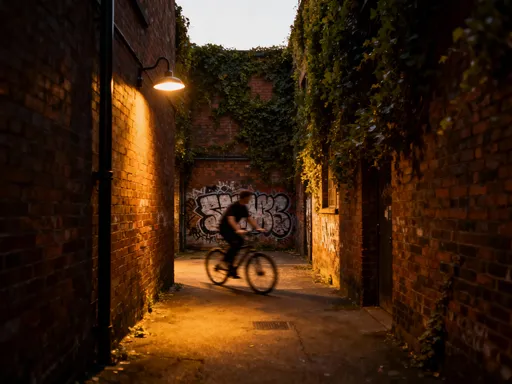
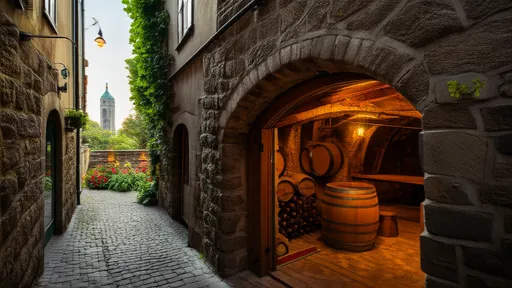
While grand squares and main streets dominate urban maps, it is often the smallest spaces that foster the richest interactions. Manchester’s courtyards and alleyways—locally known as “snickleways”—function as informal social hubs, where chance encounters and spontaneous conversations unfold. These spaces are rarely the focus of official tourism, yet they are central to the city’s social fabric. The Tib Street Hub in the Northern Quarter is a standout example. Once an underused passageway, it has been revitalized with colorful murals, movable seating, and regular pop-up events. On any given afternoon, you might find people chatting over coffee, artists sketching, or small groups gathered for impromptu performances.
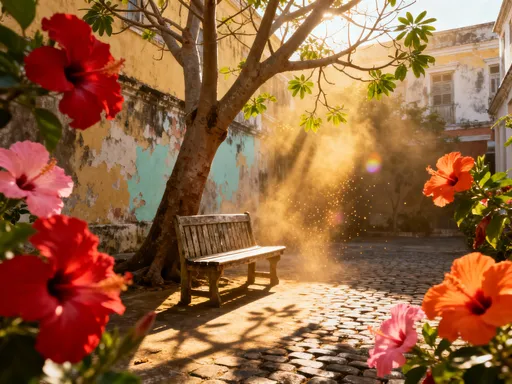
What makes these spaces so effective is their human scale. Unlike wide avenues designed for traffic flow, courtyards and alleys are built for walking, lingering, and observing. Their enclosed nature creates a sense of intimacy, while their openness to the sky allows for natural light and ventilation. Materials matter too—cobbled surfaces, brick walls, and wooden benches add texture and warmth, making these spaces feel lived-in rather than sterile. Lighting is often soft and ambient, encouraging evening use without harsh glare. These design choices, whether intentional or evolved over time, contribute to a sense of comfort and safety.
Street art plays a significant role in animating these areas. In the Northern Quarter, walls that were once blank or neglected now serve as rotating canvases for local and international artists. The artwork is rarely permanent, reflecting the dynamic nature of the neighborhood. Passersby may return weeks later to find a completely new piece, adding an element of surprise and discovery. These visual narratives, often playful or thought-provoking, invite engagement beyond passive viewing. They spark conversation, inspire photography, and contribute to a sense of place that feels alive and ever-changing.
For visitors, exploring these alleyways is an exercise in mindfulness. It requires looking down instead of ahead, noticing details rather than destinations. A rusted fire escape, a hand-painted sign, a cat peering from a window—each detail adds to the story. These spaces remind us that cities are not just built environments, but collections of moments, memories, and interactions. To walk through them is to participate, even briefly, in the life of the city.
Rooftop Realms: Elevated Escapes Across the City
As urban land becomes increasingly scarce, cities are turning upward. Manchester’s rooftops, once reserved for machinery and maintenance, are now being reimagined as destinations in their own right. These elevated spaces offer panoramic views, fresh air, and a sense of escape without leaving the city center. One of the most accessible is the rooftop terrace at HOME, a cultural venue on First Street. Open to the public during events and select hours, it provides unobstructed views of the city skyline, from the angular glass of the Beetham Tower to the historic spire of the Town Hall. Benches and planters create a relaxed atmosphere, making it a popular spot for pre-theater drinks or quiet reflection.
Another notable example is the rooftop garden at 1 Spinningfields, a modern office building in the city’s financial district. Designed with sustainability in mind, the space features native plants, seating areas, and even a small apiary. While primarily for building tenants, it is occasionally open to the public during city-wide events like Open Doors Manchester. The contrast between the sleek architecture below and the soft greenery above is striking, symbolizing a growing commitment to integrating nature into high-density environments. These rooftops are not just aesthetic additions; they contribute to urban cooling, support biodiversity, and improve air quality.
The rise of rooftop spaces reflects a broader trend in urban design: the recognition that cities must be experienced in three dimensions. While ground-level streets define movement, upper levels offer perspective. From above, the city reveals patterns—grids of streets, clusters of activity, pockets of green—that are invisible at eye level. This shift in vantage point can be profoundly grounding, offering a moment of clarity amid urban complexity. For travelers, visiting a rooftop provides a unique way to orient oneself, both physically and emotionally.
Moreover, these spaces serve as social connectors. Rooftop bars, gardens, and event venues encourage interaction in a relaxed setting. They are less formal than traditional gathering places, allowing for casual conversations and shared experiences. In a city that values both innovation and community, rooftops have become symbols of possibility—places where the future of urban living is being quietly tested and refined.
Design with Purpose: How Urban Placemaking Shapes Experience
The transformation of Manchester’s overlooked spaces is not accidental. It is the result of intentional urban placemaking—a design philosophy that prioritizes human experience over mere functionality. Placemaking involves more than aesthetics; it is about creating environments that invite use, foster connection, and reflect local identity. In Manchester, this approach is evident in the careful restoration of historic structures, the thoughtful layout of public seating, and the integration of art and nature into everyday spaces.
Key principles guide this work. Scale is crucial—spaces that are too large can feel impersonal, while those too small may feel cramped. The most successful areas, like the courtyards of the Northern Quarter, strike a balance, offering enough room for activity without sacrificing intimacy. Lighting plays a subtle but powerful role. Warm, low-level lighting extends usability into the evening while creating a welcoming ambiance. Seating is another critical element. Fixed benches, movable chairs, and even window ledges that double as perches encourage people to stay, observe, and interact. Materials are chosen for durability and character—weathered wood, textured stone, and reclaimed brick all contribute to a sense of authenticity.
Local initiatives have been instrumental in this process. Organizations like the Manchester City Council’s City Centre Team and community groups such as the Northern Quarter Association have worked together to identify underused spaces and reimagine their potential. Projects often begin with temporary interventions—pop-up markets, art installations, or seasonal seating—allowing the community to test and shape ideas before permanent changes are made. This participatory approach ensures that developments reflect actual needs rather than top-down assumptions.
The impact of thoughtful design is measurable. Areas that were once avoided are now vibrant with activity. Foot traffic increases, local businesses thrive, and social cohesion strengthens. More importantly, people feel a greater sense of ownership and pride in their surroundings. For travelers, these well-designed spaces offer a model of what urban life can be—inviting, inclusive, and alive with possibility.
Traveller’s Lens: Choosing Authentic Urban Experiences
For the mindful traveler, especially one seeking depth over checklist tourism, Manchester’s hidden corners offer a rewarding path. But discovering such spaces requires a shift in approach. Instead of rushing from landmark to landmark, consider slowing down. Walk without a fixed destination. Turn down alleys that catch your eye. Sit in a courtyard and observe. Authenticity is not found in guidebooks alone, but in the act of paying attention.
Timing matters. Visiting during off-peak hours—early morning or late afternoon—can reveal a different side of the city. Streets empty of commuters, shops not yet crowded, and light falling at a soft angle create a more contemplative atmosphere. These moments allow for reflection and connection, free from the pressure of performance. Talking to locals also opens doors. A barista, a shopkeeper, or a passerby might point you to a favorite bench, a hidden garden, or a rooftop with the best view of the sunset.
It is also important to resist the temptation of performative tourism—travel focused more on capturing images than experiencing place. While photographs have their value, they should not replace presence. Put the camera down. Listen to the sounds of the city. Feel the texture of a brick wall, the warmth of the sun on a bench, the rhythm of footsteps in an alley. These sensory experiences form the deepest memories. They are what you will carry with you long after the trip ends.
Finally, remember that every city has its hidden corners. Manchester’s strength lies in how openly it shares them. By exploring with curiosity and respect, travelers not only enrich their own experience but also support communities that value authenticity and connection. In doing so, we move beyond sightseeing toward a more meaningful way of engaging with the world.
Rediscovering Cities Through Their Silent Spaces
Manchester’s quiet courtyards, repurposed mills, and hidden gardens are more than aesthetic curiosities—they are windows into the soul of the city. They reveal a rhythm that exists beneath the surface, one shaped by history, community, and thoughtful design. In these silent spaces, the city speaks not through noise, but through presence. They remind us that urban life is not just about movement and efficiency, but about moments of stillness, connection, and beauty.
For travelers, especially those seeking a deeper understanding of place, these overlooked areas offer a powerful alternative to conventional tourism. They invite us to look beyond the obvious, to explore with patience and care, and to engage with cities as living, breathing entities. The next time you walk through an unfamiliar city, let your gaze wander. Look down alleyways. Glance upward at rooftops. Pause in quiet corners. You may find that the most memorable experiences are not the ones you planned, but the ones you discovered by simply being present. Cities are not just seen—they are felt.