Taste of Isfahan: What I Found in Its Hidden Eateries
Wandering through Isfahan, I didn’t expect my biggest adventure to come from a plate. The city’s soul isn’t just in its grand mosques or dazzling tilework—it’s sizzling in street kitchens and tucked-away tea houses. From saffron-scented stews to sweets shaped by centuries-old hands, every bite tells a story. This is more than food; it’s a journey through culture, history, and warmth served on a platter. In a city where artistry flows through architecture and daily life alike, the kitchen is another canvas. Here, cooking is not rushed, not commercialized, but passed down—like poetry whispered from one generation to the next. To taste Isfahan is to know its heart.
The Heartbeat of Isfahan: Food as Culture
Isfahan has long stood at the crossroads of civilizations. As a key stop along the ancient Silk Road, it welcomed traders, scholars, and artisans from as far as China, India, and the Mediterranean. This rich history did not only shape its architecture but also its cuisine. Persian food, particularly in Isfahan, is a living archive of cultural exchange, where spices like turmeric and cinnamon arrived centuries ago and were slowly woven into the local palate. The city’s culinary identity reflects a deep respect for balance—between sweet and savory, texture and temperature, simplicity and elegance. Meals are not mere sustenance; they are expressions of identity, pride, and hospitality.
Hospitality lies at the core of Iranian culture, and nowhere is this more evident than at the dinner table. In Isfahan, guests are treated as blessings, and refusing food can be seen as a slight. A typical home meal begins with an array of fresh herbs, cheeses, flatbreads, and fruits laid out on a sofreh—a traditional embroidered cloth spread across the floor or table. The act of sharing food is sacred, often accompanied by warm conversation and laughter that lingers long after the dishes are cleared. Family recipes are guarded treasures, with mothers teaching daughters the precise pinch of saffron or the perfect simmering time for a stew.
Seasonality plays a vital role in shaping the local diet. Spring brings fresh herbs like coriander, mint, and fenugreek, which are essential in dishes such as sabzi polo, a fragrant herb rice served with fish or lamb. Autumn sees an abundance of pomegranates and walnuts, key ingredients in regional specialties like Ash-e-Anar, a hearty pomegranate and herb soup. Even the timing of meals reflects a rhythm tied to nature and tradition. Lunch is the main event, often a slow, multi-course affair, while dinner tends to be lighter, sometimes no more than tea and pastries. This deep connection between food, family, and the seasons transforms eating into a ritual—one that honors both the land and those who cultivate it.
On the Ground: Where Locals Eat
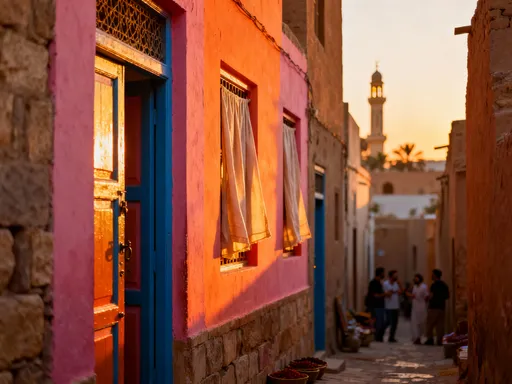
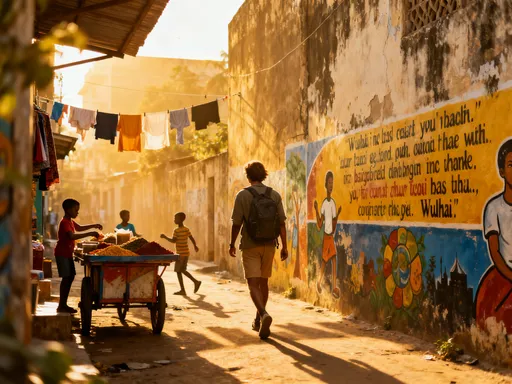
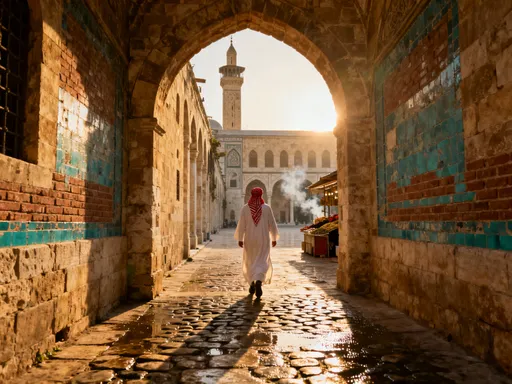
To truly understand Isfahan’s food culture, one must step away from tourist-facing restaurants and into the alleys and courtyards where locals gather. These are not places with flashy signs or digital menus. Often, they have no name at all—just a steaming pot visible through a half-open door, the scent of grilled meat drifting into the street, or a line of regulars waiting patiently outside at dawn. These unmarked eateries are where authenticity thrives, where flavor takes precedence over presentation, and where the rhythm of daily life unfolds over shared plates.
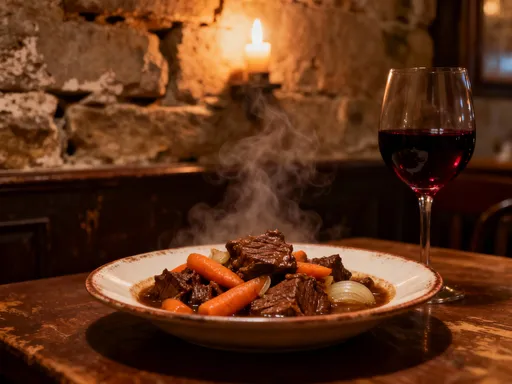
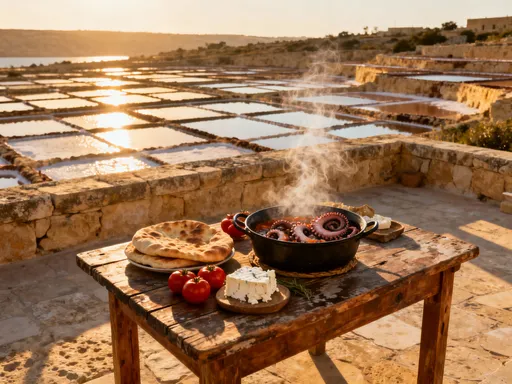
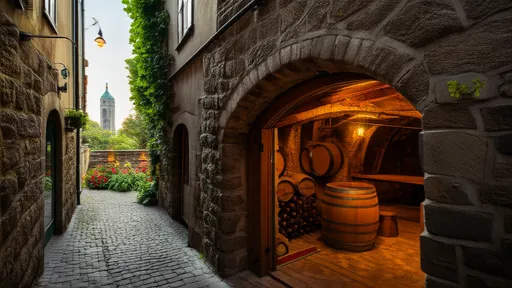
One such place is a narrow alley near Naghsh-e Jahan Square, where a decades-old saghakhaneh operates from a stone-walled basement. Saghakhanehs are traditional drinking spots, often serving simple meals alongside water or tea. This one offers warm sangak bread straight from the oven, served with feta cheese, walnuts, and a drizzle of wildflower honey. Men in work clothes gather here in the early morning, sipping tea from glass cups held in metal holders, discussing everything from weather to football. There is no rush, no background music—just the low hum of conversation and the clink of porcelain.
Another hidden gem is a family-run kitchen tucked behind a carpet shop in the old district. With only five tables and a curtain separating the cooking area, it serves one dish per day—often a slow-cooked stew simmered overnight with lamb, dried limes, and saffron. The owner, a woman in her sixties, greets each guest like family, offering seconds before the first plate is even finished. These spaces are not designed for Instagram; they exist for nourishment, community, and continuity. They remind visitors that in Isfahan, dining is not a transaction—it is an invitation.
Must-Try Dishes That Define the City
Isfahan’s cuisine is defined by its depth of flavor, its reverence for technique, and its celebration of local ingredients. Among the most iconic dishes is Khoresht-e-Bahar Shol, a stew unique to the region. Unlike more widely known Persian stews, this one features a delicate blend of chicken, rose petals, almonds, and rice flour, creating a creamy, subtly floral sauce that surprises the palate. The name “Bahar Shol” means “springtime,” and the dish embodies renewal—light yet satisfying, fragrant without being overpowering. It is often reserved for special occasions, a testament to the care and time required to prepare it properly.
Another must-try is Gaz, Isfahan’s famous nougat-like confection. Made with pistachios, egg whites, rosewater, and a sap known as plantain, Gaz has a soft, chewy texture and a floral aroma that lingers. Its origins trace back to the 19th century, when French confectionery techniques merged with local flavors. Today, it is sold in small shops throughout the city, often wrapped in delicate paper with traditional patterns. While many tourists buy it as a souvenir, locals enjoy it daily, pairing a small piece with afternoon tea as a moment of sweetness in an otherwise busy day.
Chelow Kabab Koobideh, while found across Iran, takes on a special character in Isfahan. The minced lamb or beef is seasoned with onion and turmeric, then grilled over charcoal until the edges are crisp and the center remains tender. Served with saffron-infused rice and a side of grilled tomato, it is both simple and sublime. What sets Isfahan’s version apart is the quality of the meat and the precision of the cook—each skewer turned at just the right moment to achieve perfection. Equally notable is Ash-e-Anar, a thick, savory soup made with pomegranate juice, yellow lentils, herbs, and chunks of beef. Its tangy, earthy flavor is balanced with a hint of sweetness, and it is often garnished with fried mint and kashk, a fermented whey sauce that adds depth.
Each of these dishes tells a story—not just of taste, but of place, history, and craftsmanship. They are not mass-produced; they are made by hands that have learned their trade over years, if not decades. To eat them is to participate in a culinary tradition that values patience, balance, and beauty in every detail.
A Day of Eating: A Local’s Food Journey
In Isfahan, food is not confined to three meals a day—it is woven into the fabric of daily life, marking time as much as the sun and shadows do. A local’s day begins early, often before sunrise, with a simple yet nourishing breakfast. In homes and neighborhood bakeries alike, fresh barbari or lavash bread is pulled from clay ovens, still warm and crisp. It is served with feta cheese, sliced cucumbers, walnuts, and a dollop of date molasses or honey. A glass of hot tea, brewed strong and served in a clear glass, completes the meal. This is not a hurried bite; it is a quiet, mindful start to the day, often shared with family around a low table.
By mid-morning, the scent of baking bread fills the air once more. Small bakeries tucked into alleyways produce round, dimpled flatbreads stamped with the baker’s fingers. These are sold to passersby or delivered to homes and restaurants for lunch. Around this time, some locals stop for a light snack—perhaps a piece of Gaz candy with tea, or a warm pastry filled with ground nuts and cinnamon. These moments are not about indulgence but about rhythm, about pausing to refuel and reconnect.
Lunch is the centerpiece of the day. Families gather, often after prayers, for a meal that can last over an hour. It typically begins with a platter of herbs and cheeses, followed by a main dish such as Khoresht-e-Bahar Shol or a lamb and bean stew. The rice—always saffron-tinted and perfectly steamed—is served with a tahdig, a crispy golden crust from the bottom of the pot that is considered a delicacy. Meals are eaten with spoons and bread, the latter used to scoop up stews and sauces. Conversation flows freely, and no one rushes. Even in busy households, lunch is protected time—a daily ritual of togetherness.
Afternoon brings another pause: tea time. Whether at home or in a riverside teahouse, Iranians gather for black tea served with sugar cubes, rosewater, or a piece of dried fruit. This is not just a drink but a social event, a chance to unwind, reflect, or catch up with friends. By evening, dinner is often light—yogurt soup, a salad, or a few pastries. But late at night, especially in summer, families return to the streets, buying walnut-filled pastries or sipping doogh, a refreshing yogurt-based drink, under the stars. This rhythm—slow, deliberate, deeply social—reveals a culture that values presence over speed, connection over convenience.
Markets That Feed the Senses: Exploring Bazaar-e Bozorg
No visit to Isfahan is complete without a walk through Bazaar-e Bozorg, one of the oldest and largest covered markets in the Middle East. More than a shopping destination, it is a sensory journey—a place where color, scent, and sound converge in a symphony of daily life. Stretching over a kilometer, the bazaar is a maze of vaulted brick corridors, each section dedicated to a specific trade. The air is thick with the aroma of spices, fresh bread, and roasting nuts, guiding visitors like a trail of breadcrumbs to the city’s culinary heart.
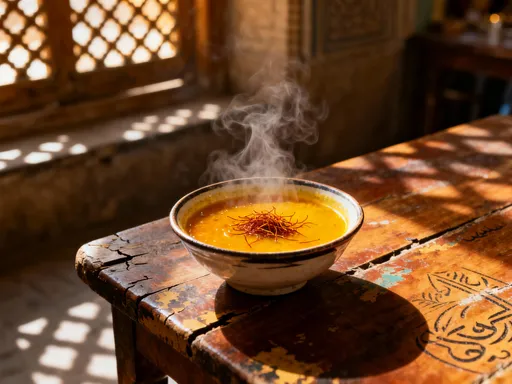
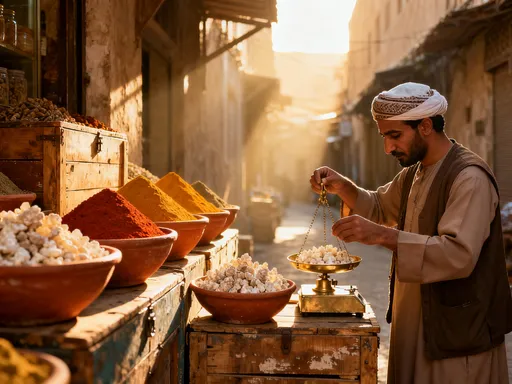
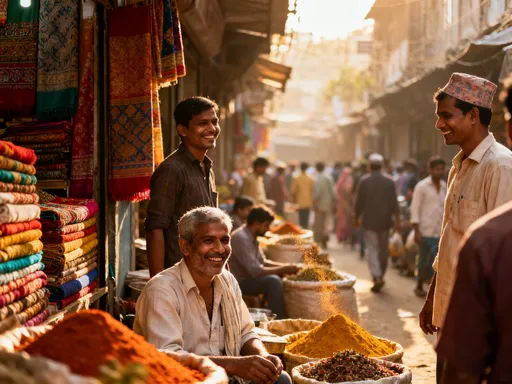
The spice stalls are a sight to behold. Piles of crimson sumac, golden turmeric, and deep red saffron are displayed in woven baskets, their colors so vivid they seem to glow. Vendors invite passersby to smell, touch, and even taste. A pinch of saffron soaked in hot water releases a golden hue and a floral scent that is unmistakable. Nearby, nut merchants offer samples of pistachios, almonds, and walnuts—some salted, some roasted, some mixed with dried fruits. These are not just ingredients; they are the building blocks of Isfahan’s cuisine, used in everything from stews to sweets.
The meat section is equally revealing. Butchers in white aprons display cuts of lamb and chicken, often slaughtering animals on-site in accordance with halal practices. Customers discuss the best cuts for stew or kebab, and butchers wrap orders in brown paper tied with string. Adjacent to this are the herb vendors, whose tables overflow with fresh dill, parsley, mint, and fenugreek—bundled neatly and sold by the bunch. The bazaar is not a sterile supermarket; it is alive with interaction. Bargaining is expected, not aggressive but playful, a dance of politeness and mutual respect. A shopper might ask for a discount, and the vendor might respond with a smile and an extra handful of saffron. This human connection is as essential as the goods themselves.
For travelers, the bazaar offers more than ingredients—it offers insight. Watching a grandmother select herbs for her evening soup, or a young couple buying spices for their first home, reveals the continuity of tradition. Every purchase is made with intention, every item chosen with care. To walk through Bazaar-e Bozorg is to witness food not as a commodity, but as a living thread in the fabric of community.
Tea, Conversation, and Slow Living
In a world that often equates value with speed, Isfahan offers a different philosophy: that the best moments are those that linger. Nowhere is this more evident than in the ritual of Persian tea. More than a beverage, tea is a symbol of hospitality, patience, and connection. It is served at every meal, after every visit, and during every meaningful conversation. In homes, it is brewed in a samovar or kettle, poured into delicate glass cups, and sipped slowly, often with a sugar cube held between the teeth.
One of the most peaceful places to experience this tradition is along the banks of the Zayanderud River, near the historic Si-o-se-pol Bridge. Here, traditional teahouses with wooden lattice windows and cushioned seating offer a quiet escape from the city’s bustle. Locals come to sit for hours, watching the water flow beneath the bridge’s thirty-three arches, sipping tea and talking with friends or reading poetry. The pace is unhurried. There is no pressure to order food or leave after a certain time. The act of drinking tea becomes a form of mindfulness, a way to be fully present.
These teahouses are intergenerational spaces. Grandfathers play backgammon, teenagers share stories, and couples sit in quiet companionship. The tea is always black, often accompanied by sweets like Gaz or baklava, or simple snacks like roasted chickpeas. The service is unobtrusive; servers refill cups without being asked, knowing that the rhythm of tea is not dictated by time but by mood. For visitors, sitting in one of these spaces can be a revelation—a reminder that connection does not require grand gestures, only presence, patience, and a willingness to slow down.
How to Eat Like a Local: Practical Tips for Travelers
For travelers seeking an authentic culinary experience in Isfahan, the key lies in openness, respect, and a willingness to step off the beaten path. The most memorable meals are rarely found in guidebooks. Instead, they are discovered through observation, conversation, and a bit of courage. Begin by exploring residential neighborhoods rather than tourist centers. Look for places with few English signs, where the clientele is predominantly local. A queue of people, especially in the morning or at lunchtime, is often the best indicator of quality.
Learning a few basic Farsi phrases can go a long way. Simple greetings like “Salam” (hello) and “Merci” (thank you) are appreciated. When ordering, “Ghasht-e shoma chist?” means “What do you recommend?”—a question that often leads to the day’s special dish. Another useful phrase is “Bebinam” (“Let me see”), which gives you time to observe what others are eating before deciding. Don’t be afraid to point; in many small eateries, menus are minimal or nonexistent.
Understanding local dining etiquette enhances the experience. Bread is not just a side dish—it is a utensil. Tear off a piece to scoop up stews or kebabs, and never place it upside down on the table, as this is considered disrespectful. When offered tea, accept it if possible; declining can be seen as impolite. If you cannot drink more, it is acceptable to leave a small amount in the glass. Sharing food is common, so do not be surprised if a stranger at the next table offers a taste of their dish.
Finally, approach each meal with patience. Service may be slow, portions may be generous, and seating may be on the floor. These are not inconveniences but part of the culture. Embrace the pace, savor the flavors, and remember that in Isfahan, eating is not about efficiency—it is about connection. Avoid overly touristy restaurants with inflated prices and generic menus. Instead, seek out family-run kitchens, street vendors with long lines, and tea houses where time seems to stand still. These are the places where the true taste of Isfahan lives.
More Than a Meal—A Connection
To eat in Isfahan is to be welcomed. Every dish, every cup of tea, every shared smile at a crowded table is an act of generosity. The city’s cuisine is not performative; it is deeply rooted in a culture of care, where feeding someone is one of the highest forms of respect. Travelers may come for the architecture, the history, the art—but they stay for the food, because it speaks a universal language: that of warmth, belonging, and shared humanity.
In a world increasingly dominated by fast food and digital transactions, Isfahan offers a powerful alternative. Here, meals are slow, ingredients are honored, and every bite carries meaning. The saffron in the rice, the rosewater in the candy, the way a grandmother stirs a stew—these are not just flavors. They are stories. They are memories. They are acts of love passed down through generations.
So when you find yourself in Isfahan, do not just visit its monuments. Sit at a saghakhaneh at dawn. Wander the bazaar with an open mind. Accept the tea, the second helping, the invitation to join a stranger’s table. Let the food guide you, not just to new tastes, but to new understanding. Because in Isfahan, to eat is not to consume—it is to connect. And in that connection, you do not remain a traveler. You become, for a moment, part of something timeless.