Whispers of the Nile: Lost in Aswan’s Living Alleys
You know that feeling when a city just speaks to you? Aswan did that. Not with grand monuments, but in quiet moments—spice-scented lanes, Nubian doorways painted in sunset hues, the sound of prayer blending with laughter. I didn’t just visit its streets; I lived them. This isn’t your typical guide. It’s a deep dive into the soul of a city where every alley has a story, and authenticity isn’t marketed—it’s lived. Aswan, nestled along the southern curves of the Nile, offers a rhythm unlike any other in Egypt. Here, life unfolds gently, shaped by river currents, desert light, and generations of quiet resilience. For travelers seeking more than checklists and camera shots, this city invites presence, patience, and true connection.
Arrival: First Steps into a Rhythm Unlike Any Other
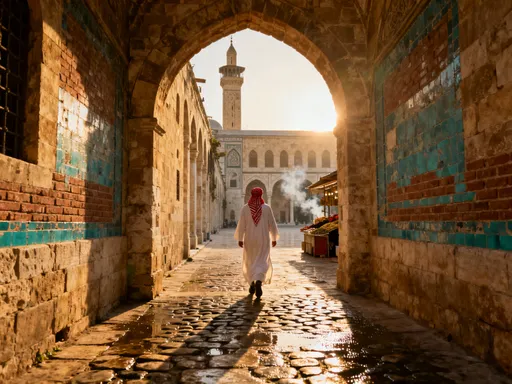
Stepping off the train or small plane into Aswan’s embrace feels like entering a different dimension of time. The air is warm but not oppressive, carrying the faint scent of cumin, dried dates, and the Nile’s earthy breath. Unlike the relentless pulse of Cairo, where horns blare and crowds surge through chaotic streets, Aswan moves with a measured calm. There’s no rush here, no urgency to be anywhere at a precise moment. Instead, life follows the sun—rising with the light, slowing at midday, and reawakening as the desert cools.
This shift in pace is not incidental; it’s fundamental to Aswan’s character. The city’s geography plays a role—surrounded by granite boulders and bordered by the broad, slow-moving Nile, it has always been a place of pause. Historically, it marked the southern edge of ancient Egypt, a gateway between empires and cultures. Caravans stopped here. Traders rested. Pilgrims waited for favorable winds. That legacy of stillness remains. Locals greet you with a warmth that doesn’t feel performative. A man selling date syrup might invite you to taste before buying, not because he expects a sale, but because sharing is second nature.
The light, too, is distinct. In the early morning, the Nile glows amber, reflecting off the domes of mosques and the masts of feluccas. By midday, the sun casts sharp shadows across sand-colored walls, and by dusk, the sky bleeds into pinks and golds that seem to seep into the very stones of the city. This sensory immersion—sound, scent, light—prepares the visitor for a different kind of travel. It’s not about ticking off sites, but about tuning into a frequency that most modern cities have long since abandoned. When you let go of schedules and expectations, Aswan begins to reveal itself, one quiet moment at a time.
The Heartbeat of the City: Souk el-Kebir and Its Hidden Passages
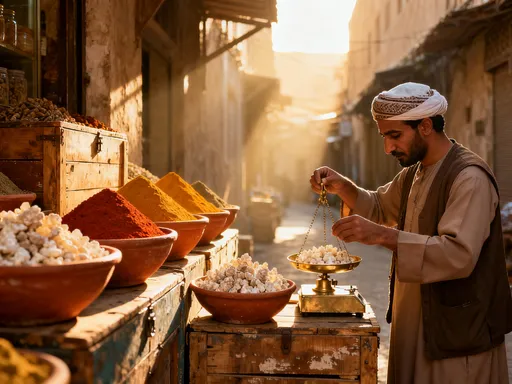
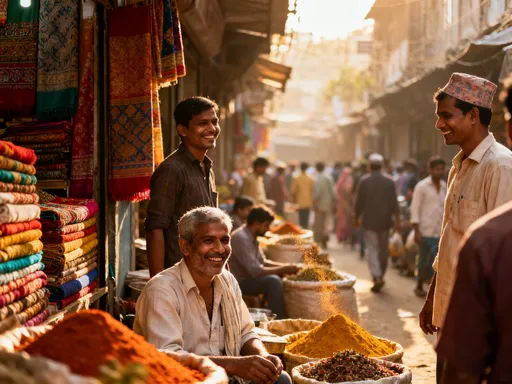
If Aswan has a pulse, it beats strongest in Souk el-Kebir, the city’s central market. But this is no tourist bazaar lined with mass-produced souvenirs. It’s a living, breathing network where daily life unfolds in layers. Vendors call out in rhythmic Arabic, their voices rising and falling like a familiar song. Spices spill from burlap sacks in vibrant mounds—turmeric like powdered sunlight, cumin with its earthy warmth, sumac dark as crushed rubies. The air is thick with the scent of cardamom and dried mint, mingling with the occasional whiff of fresh bread from a nearby oven.
Here, shopping is not a transaction but a ritual. Locals haggle not out of necessity, but as a form of social dance. A woman in a floral headscarf might inspect a length of cotton fabric, running her fingers over the weave, commenting on the color, and only after several minutes of conversation does a price emerge. It’s a process rooted in trust and familiarity. Even for the outsider, there’s no pressure—vendors smile, offer tea, and let you wander. The market isn’t designed to sell quickly; it’s designed to sustain community.
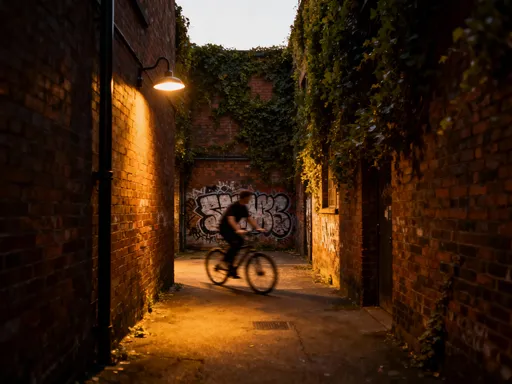
But the true magic lies beyond the main thoroughfare. Step into the narrower alleys that branch off like capillaries, and the noise softens. You’ll find cobblers mending sandals by hand, their tools worn smooth from years of use. An old man repairs fishing nets with deliberate, practiced movements. A woman arranges baskets of dried figs and almonds in neat rows, her face shaded by a woven hat. These side lanes are not curated for visitors; they exist for the people who live and work here. There’s no signage, no English, no attempt to cater to foreign tastes. And that’s what makes them real.
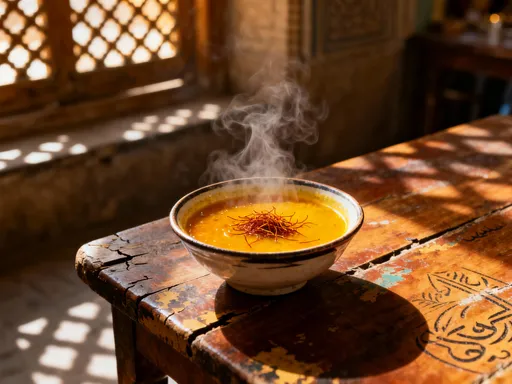
Wandering these hidden passages, you begin to understand that the market is not just a place to buy goods—it’s a social fabric. It’s where news is exchanged, where children run errands for elders, where friendships are maintained over cups of sweet tea. The economy here is personal, not impersonal. When you buy a small bag of saffron from a vendor who remembers your face the next day, you’re not just purchasing a spice—you’re becoming part of a story. And that story is woven into the very streets of Aswan, one quiet interaction at a time.
Nubian Neighborhoods: Color, Culture, and Unspoken Welcome
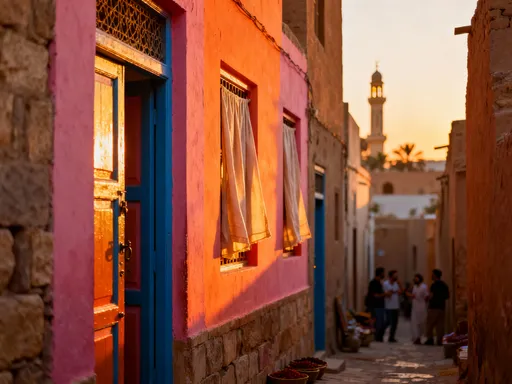
As you move away from the market and toward the river’s edge, the city transforms. The buildings grow brighter, painted in bold hues of turquoise, coral, and ochre. This is the heart of Aswan’s Nubian community, a people with a history that stretches back thousands of years along the Nile’s banks. Their homes are adorned with intricate geometric patterns, doorways framed in bright blues and yellows, and windows that seem to catch and hold the sunlight. Each house feels like a small celebration of color, a defiance of the surrounding desert’s austerity.
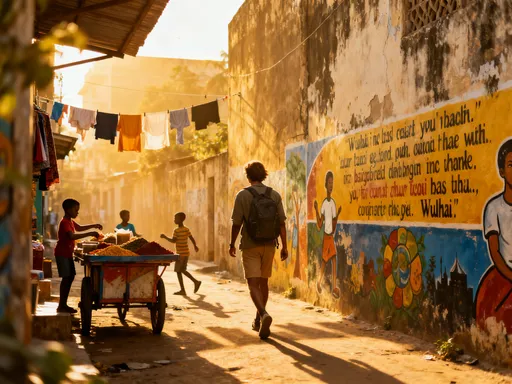
The Nubian culture here is not a museum exhibit—it’s alive, dynamic, and deeply rooted in daily life. Children play barefoot in the alleys, chasing each other with laughter that echoes off the painted walls. Elders sit in shaded doorways, sipping tea from small glass cups, their faces lined with the wisdom of generations. From open windows, you might hear the soft strains of a traditional song, a woman humming as she prepares lunch, or the rhythmic beat of a drum during a family gathering. Music, storytelling, and hospitality are not performances; they are simply how life is lived.
What stands out most is the unspoken welcome. You don’t need an invitation to be included. A man repairing a wooden stool might gesture for you to sit, offering a cup of tea without a word. A woman hanging laundry might smile and point to a hidden path that leads to a quiet garden. There’s no expectation of a tip, no desire to turn kindness into commerce. This generosity is not born of tourism strategy—it’s cultural. In Nubian tradition, guests are sacred. The phrase *“karama”*—hospitality—is not just a value; it’s a way of being.
Yet, this community also carries the weight of history. In the 1960s, the construction of the Aswan High Dam displaced tens of thousands of Nubians, flooding their ancestral lands. Many were relocated, and their villages submerged beneath Lake Nasser. Today, in Aswan, there’s a quiet determination to preserve identity. Language, music, and craftsmanship are passed down with care. Young people learn traditional dances, and elders teach the meanings behind the symbols painted on their homes. To walk through these neighborhoods is to witness resilience—not as a dramatic struggle, but as a quiet, enduring act of cultural survival.
Street Life Along the Corniche: Where the Nile Meets Daily Ritual
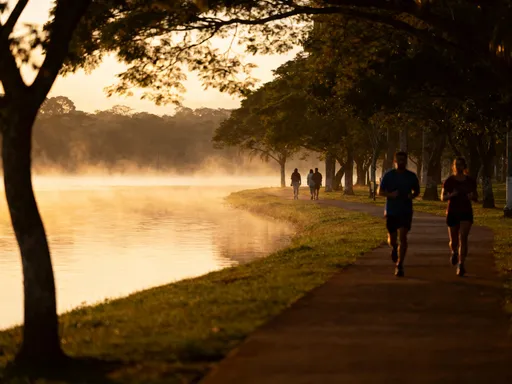
The Corniche, Aswan’s riverside promenade, is often described as a scenic walkway, but that label misses its essence. This is not a place for passive sightseeing. It’s a social spine, a stage where daily life unfolds in rhythm with the Nile. In the early morning, fishermen cast their nets from wooden boats, their silhouettes sharp against the rising sun. By mid-morning, families stroll along the path, children chasing pigeons, couples pausing to watch the water. In the late afternoon, the pace slows. Men gather in small groups, speaking in low tones. Women in flowing dresses carry baskets, returning from the market.
What makes the Corniche special is how naturally it integrates into the fabric of daily life. Locals don’t come here to ‘see’ the river—they come to be with it. A young man might sit on the edge, feet dangling above the water, reading a book. An elderly couple shares a thermos of tea, watching the feluccas drift by. Teenagers take photos, not of the view, but of each other, laughing as the wind catches their scarves. Exercise, conversation, contemplation—these are the rituals that shape the hours.
The Nile is not just a backdrop; it’s a presence. It dictates the mood, the schedule, the very breath of the city. When the water is high, the boats sit closer to the path. When it’s low, sandbanks emerge, and children play on the exposed earth. The river is both provider and companion. It brings fish, irrigation, and transport, but it also offers stillness. In a world that never stops moving, the Nile flows at its own pace, and so does Aswan.
Evening brings a gentle transformation. The lights along the Corniche flicker on, reflecting in the darkening water. The call to prayer echoes from a nearby mosque, blending with the laughter of a family picnic. The air cools, and the city exhales. This is not a performance for tourists—it’s ordinary life, unfolding with grace. To walk the Corniche at dusk is to understand that the most beautiful moments are often the simplest: a shared meal, a quiet conversation, the sound of water meeting stone.
Off the Map: The Forgotten Corners Only Locals Know
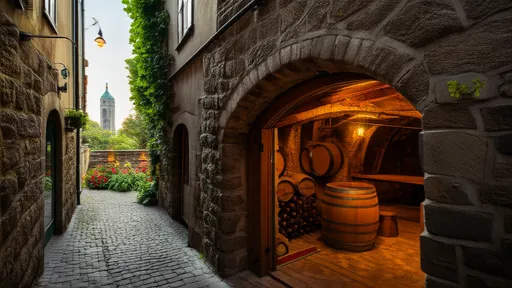
For all its beauty, Aswan’s true treasures are not found in guidebooks. They lie in the forgotten corners, the places with no signs, no entry fees, no crowds. Turn down a narrow alley behind a spice stall, and you might stumble upon a small mosque courtyard, its walls covered in faded calligraphy. An old man sits on a bench, reading the Quran aloud in a soft voice. You pause, and he nods—not in dismissal, but in quiet acknowledgment. There’s no need to speak. The moment belongs to both of you.
Or follow the sound of hammering to a hidden boat builder’s workshop. Here, craftsmen shape wooden feluccas using techniques passed down for generations. The smell of cedar fills the air. Shavings curl at their feet. A boy, no older than ten, watches closely, learning how to fit the ribs of the hull. This is not a demonstration for tourists; it’s real work, essential to the river’s life. When you ask permission to watch, the master builder smiles and gestures you closer. He doesn’t speak English, but his hands tell the story.
Another day, you might be led—by a chance conversation—to a riverside garden café with no name. There’s no menu, only what’s fresh: mint tea, dates, a simple omelet with herbs. The owner, a man with a weathered face and kind eyes, brings you a cup without asking. You sit under a fig tree, the leaves filtering the sunlight. A cat curls at your feet. No one rushes you. No one checks if you’ve ordered enough. Time stretches, soft and generous.
These moments are not found by planning. They emerge from wandering, from saying yes to an unexpected invitation, from allowing yourself to get lost. And when you do, you realize that the most authentic experiences are not things you do—they are things that happen to you. A shared tea. A smile from a stranger. A song drifting from an open window. These are the whispers of Aswan, the quiet truths that no brochure can capture.
The Rhythm of Time: How Aswan Moves to Its Own Beat
In Aswan, time does not march—it meanders. Shops open when the owner arrives, not at nine o’clock sharp. Conversations last longer than expected. Plans change without apology. At first, this can feel disorienting, especially for travelers accustomed to efficiency and precision. But with patience, it becomes clear: this is not inefficiency. It’s a different philosophy of time.
Here, moments are not measured in minutes but in presence. A man repairing a bicycle might stop to greet three neighbors before tightening a single bolt. A shopkeeper closes early because his grandson has arrived from school. These are not disruptions—they are the rhythm of life. In a world that glorifies speed, Aswan offers a counterpoint: that connection matters more than completion, that relationships outweigh schedules.
This slower tempo allows for depth. When you sit with someone over tea, and the conversation unfolds without rush, you begin to see the person, not just the role they play. The vendor becomes a storyteller. The boatman becomes a philosopher. The child becomes a teacher. Time, when stretched, reveals layers that haste would miss.
Embracing this rhythm requires surrender. You must let go of the need to control, to predict, to optimize. But in that surrender, you gain something rare: authenticity. You stop being a spectator and become a participant. You’re no longer just visiting Aswan—you’re living in it, even if only for a few days. And when you return home, that rhythm lingers, a quiet reminder that life doesn’t always need to be fast to be full.
Why This Matters: The Future of Travel in Places Like Aswan
Aswan stands at a crossroads. Like many culturally rich destinations, it faces the pressures of mass tourism—hotels expanding, souvenir shops multiplying, itineraries growing rigid. There’s a risk that the very qualities that make it special—the quiet alleys, the unhurried pace, the unscripted moments—could be smoothed over in the name of convenience. But there’s another path, one that values depth over density, connection over consumption.
Sustainable travel isn’t just about environmental impact; it’s about cultural preservation. When travelers seek out neighborhoods instead of checklists, when they choose conversation over capture, they help protect the soul of a place. Every time you sit for tea with a local, every time you wander without a map, you support a model of tourism that honors authenticity. You become part of a quiet resistance against the homogenization of experience.
Aswan teaches us that the most meaningful journeys are not about how much we see, but how deeply we feel. It’s in the scent of spices at dawn, the sound of a child’s laugh in a painted alley, the warmth of a hand offering tea without expectation. These are not attractions—they are invitations. Invitations to slow down. To listen. To be present.
So the next time you travel, ask not only where you’re going, but how you’re moving through the world. Will you rush, or will you linger? Will you observe, or will you connect? Aswan whispers a gentle answer: that the truest adventures are not found in monuments, but in moments. In alleys. In eyes. In silence. And if you listen closely, you might just hear your own heart beating in time with the Nile.