You Won’t Believe These Hidden Wilds Behind Split’s Ancient Walls
You know that feeling when you’re walking through an ancient city, camera in hand, and suddenly—nature takes over? That’s exactly what happened when I stumbled upon the protected wilds just beyond Split, Croatia. This isn’t just another coastal getaway; it’s where untouched forests, secret coves, and rare wildlife meet千年历史. If you think Split is only about Diocletian’s Palace and beaches, trust me—you’re missing half the story. Just beyond the marble columns and bustling markets, a quiet wilderness thrives in plain sight. These are not distant national parks requiring long drives, but intimate natural sanctuaries woven into the rhythm of daily life. For travelers seeking both history and harmony with nature, Split offers a rare duality: the grandeur of Roman architecture and the serenity of preserved ecosystems, often within minutes of each other. This balance is not accidental—it is carefully protected, passionately maintained, and increasingly celebrated by those who understand that true beauty lies in coexistence.
Beyond the City: Where History Meets Wilderness
Split, nestled along Croatia’s Dalmatian Coast, is renowned for its well-preserved Roman heritage, most notably Diocletian’s Palace, which forms the heart of the old town. Yet, for all its architectural splendor, the city’s deeper allure may lie just beyond its stone walls. Within a short walk or a brief drive from the city center, visitors encounter a network of protected natural areas that contrast sharply with the urban landscape. These zones—forests, coastal cliffs, marine reserves, and quiet mountains—are not isolated remnants but active, living parts of the region’s identity. Their proximity to a major tourist destination makes them uniquely accessible, yet their preservation status ensures they remain largely unspoiled.
What sets these areas apart is their dual significance: ecological and cultural. Legally, many are designated as nature parks, protected landscapes, or Natura 2000 sites under European Union conservation frameworks. This means development is restricted, motorized traffic is limited, and biodiversity is actively monitored. But beyond legal designations, these wild spaces hold deep meaning for locals. They are places of recreation, reflection, and tradition—where families hike on Sundays, fishermen respect seasonal bans, and generations have learned to move lightly across the land.
The juxtaposition of ancient ruins and thriving ecosystems tells a story of continuity. While Diocletian’s Palace speaks of imperial power, the surrounding forests and coves whisper of resilience—of nature reclaiming space, adapting, and enduring. This harmony between human history and natural legacy is not always easy to maintain, especially with rising visitor numbers, but it remains a defining feature of Split’s character. For the mindful traveler, exploring these areas is not just a scenic detour; it is an invitation to witness how a city can grow without erasing its roots.
Marjan Forest Park: Split’s Green Lung
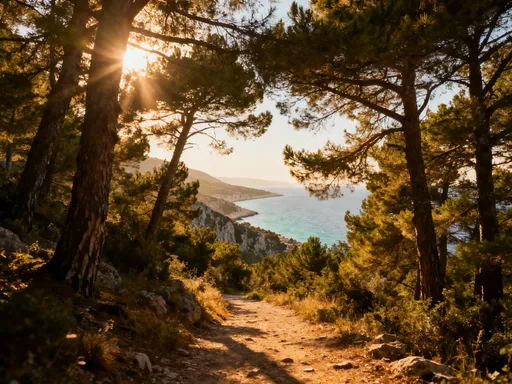
Rising gently from the western edge of Split, Marjan Hill is more than a scenic viewpoint—it is the city’s green heart. This forested peninsula, often referred to as Split’s “lungs,” has been protected since the 19th century and officially designated as a forest park in 1963. Covering approximately 160 hectares, Marjan offers a network of well-maintained trails that wind through pine groves, olive orchards, and Mediterranean scrubland. At its summit, panoramic views unfold: the Adriatic Sea sparkles to the south, the city sprawls behind, and the islands of Brač and Šolta dot the horizon.
What makes Marjan exceptional is its accessibility and diversity. Visitors can choose from several trailheads, each offering a different experience. The main path from the city is paved and gentle, suitable for families and older adults, while narrower dirt trails appeal to hikers seeking solitude. Along the way, stone chapels, quiet monasteries, and centuries-old cemeteries punctuate the landscape, blending spiritual heritage with natural beauty. The Franciscan monastery of St. Nicholas, established in the 13th century, remains a place of quiet reverence, its bell tower rising above the treetops.
Ecologically, Marjan is a haven for native species. The dominant Aleppo pines provide shade and stabilize the soil, while the understory bursts with aromatic herbs—rosemary, sage, and thyme—typical of the Dalmatian maquis. Birdwatchers may spot kestrels circling overhead, warblers flitting through the bushes, or even the occasional owl nesting in old stone walls. The park also serves as a stopover for migratory birds traveling between Europe and Africa, making spring and autumn particularly rich seasons for observation.
For locals, Marjan is more than a park—it is a symbol of balance. Generations have walked its paths for exercise, meditation, or simple escape from city life. On weekends, it’s common to see couples strolling, joggers climbing the switchbacks, or elders sitting on benches, sipping herbal tea. This deep connection fosters a culture of respect: littering is rare, dogs are leashed, and fires are strictly prohibited. As tourism grows, maintaining this ethos is crucial. Fortunately, signage in multiple languages reminds visitors of rules and values, ensuring that Marjan remains a sanctuary for all.
The Coastal Protection Zones: Cliffs, Coves, and Crystal Waters
While Marjan offers forested tranquility, Split’s coastline reveals a different kind of wilderness—one shaped by wind, salt, and sea. Along the city’s southern and western shores, several protected marine and coastal zones safeguard fragile ecosystems. These areas, often marked by rocky headlands, secluded coves, and crystal-clear waters, are not just scenic; they are vital habitats for marine life, including seagrass meadows, octopuses, and endemic fish species. To preserve water quality and prevent habitat destruction, motorized boats are restricted, anchoring is controlled, and certain zones are closed during breeding seasons.
One of the most notable areas is the Šolta Channel, the stretch of sea between Split and the island of Šolta. Though not a formal marine park, parts of this channel fall under regional conservation efforts due to their ecological sensitivity. Here, underwater visibility often exceeds 20 meters, allowing snorkelers to observe vibrant marine life without disturbing the seabed. Posidonia seagrass, a keystone species that oxygenates the water and stabilizes sediment, thrives in these protected shallows. Its presence is a sign of healthy marine ecosystems, and its protection is a priority for local authorities.
For visitors, the best way to experience these zones is through low-impact activities. Kayaking is ideal—quiet, sustainable, and allowing access to hidden inlets unreachable by foot. Small rental operators in Split offer guided tours that emphasize environmental awareness, teaching guests about local species and responsible practices. Snorkeling is equally rewarding, especially in late summer when the water is warmest. Popular but well-managed spots like Bene beach and Kašjuni cove provide clear entry points, with floating buoys marking safe swimming areas and preventing damage to seagrass below.
Swimming in these protected coves is not just a pleasure—it is a privilege that comes with responsibility. Visitors are encouraged to avoid sunscreen containing harmful chemicals, to refrain from touching coral or rocks, and to carry out all waste. Some areas have minimal facilities, reinforcing the need for self-sufficiency and respect. By following these guidelines, travelers contribute to the long-term health of these ecosystems, ensuring that future generations can enjoy the same pristine waters.
Why These Reserves Matter: Ecology and Cultural Memory
The protected areas around Split are not merely scenic backdrops—they are essential components of the region’s environmental and cultural fabric. From an ecological standpoint, they serve multiple critical functions. Forests like Marjan help regulate temperature, reduce air pollution, and prevent soil erosion on steep coastal slopes. Their root systems stabilize the land, reducing the risk of landslides during heavy rains. Similarly, coastal and marine reserves protect watersheds, maintain fish populations, and support the broader Adriatic food web.
The flora found in these zones is both resilient and specialized. Aleppo pines, adapted to dry, rocky conditions, dominate the higher elevations, while the maquis shrubland—composed of evergreen oaks, junipers, and aromatic herbs—forms a dense, fragrant understory. These plants are not only beautiful; they are deeply intertwined with local traditions. Rosemary and sage are still gathered for medicinal teas, while wild thyme is used to flavor honey and cheese. This knowledge, passed down through generations, reflects a long-standing relationship between people and land.
Wildlife, too, thrives in these protected spaces. While large predators are rare, the region supports a variety of birds of prey, including the Eurasian kestrel and the peregrine falcon, both of which nest on cliff faces. Smaller mammals like the wildcat and the pine marten are occasionally spotted, though they remain elusive. Reptiles such as the Dalmatian wall lizard and the European green lizard bask on sun-warmed rocks, playing key roles in insect control.
Equally important is the cultural memory embedded in these landscapes. For centuries, Dalmatians have lived in balance with their environment, practicing sustainable agriculture, seasonal fishing, and low-impact grazing. Terraced hillsides, dry stone walls, and ancient irrigation systems are silent testaments to this harmony. These features are not relics of the past but living elements of the present, maintained by farmers and conservationists alike. Recognizing this continuity helps explain why locals are so protective of their natural heritage—it is not just about scenery, but about identity.
How to Visit Responsibly: Rules, Routes, and Real Talk
As Split’s popularity as a travel destination continues to rise, so does the pressure on its natural reserves. With more visitors comes greater risk: littering, trail erosion, disturbance to wildlife, and accidental fires. To ensure these areas remain intact, responsible tourism is not just encouraged—it is essential. The good news is that visiting sustainably does not require sacrifice; it simply means making mindful choices before, during, and after your journey.
Start with route selection. While Marjan’s main trails are well-suited for casual walkers, some lesser-known paths lead to sensitive habitats and should be avoided, especially during nesting or dry seasons. Sticking to marked trails prevents soil compaction and protects plant life. If hiking inland to areas like Kozjak Mountain, carry a map or use a GPS app to avoid getting lost and inadvertently damaging off-trail vegetation.
Waste management is another critical factor. Always carry a reusable bag for trash, including food wrappers and fruit peels, which do not decompose quickly in Mediterranean climates. There are trash bins at major access points, but they may be full during peak season. The principle of “leave no trace” applies fully: what you bring in, you take out. This includes dog waste—pet owners should clean up after their animals and dispose of bags properly.
Fire safety is especially important in summer, when temperatures soar and vegetation dries out. Open flames are prohibited in all protected areas, and smoking is only allowed in designated zones. Even a small spark can ignite a wildfire, with devastating consequences. Heed warning signs and avoid picnicking near dry grass or shrubs.
Supporting local conservation efforts is another way to give back. Several nonprofit groups, such as the Split-Dalmatia County Environmental Foundation, organize clean-up days and educational programs. Donations, volunteer participation, or simply spreading awareness can make a difference. By aligning your visit with these values, you shift from being a passive observer to an active steward of the landscape.
Off-the-Beaten-Path Gems: Less Known but Worth the Effort
While Marjan and the coastal coves attract well-deserved attention, quieter reserves offer equally rewarding experiences for those willing to venture further. One such destination is Kozjak Mountain, located inland between Split and the village of Žrnovnica. Less frequented than its coastal counterparts, Kozjak rises to 538 meters and features a mix of beech and oak forests, freshwater springs, and panoramic ridgelines. The trail network here is less developed, lending a sense of discovery to every hike. In spring, wildflowers carpet the forest floor, and the sound of running water accompanies much of the ascent.
Another hidden gem lies offshore: the group of small islets near Čiovo, just east of Split. These rocky outcrops, including Šipanjsko Otočje and Vrulja, are part of a protected marine zone with exceptionally clear waters and undisturbed seabeds. Because they lack docking facilities, they are rarely visited by large boats, preserving their solitude. Kayakers and swimmers who reach them are rewarded with silence, sun-warmed stone, and underwater vistas teeming with life. Some of these islets have small caves or natural arches, perfect for exploration at low tide.
What makes these places special is not just their beauty, but their stillness. Without crowds, commercial vendors, or loud music, they offer a rare chance to reconnect with nature on its own terms. The best times to visit are early morning or late afternoon, when the light is soft and the heat of the day has passed. For families, these spots provide safe, educational experiences—children can learn about tide pools, bird calls, or the importance of quiet observation.
Access requires a bit more planning. Kozjak is reachable by car or local bus, with parking available at trailheads. The Čiovo islets require a boat or kayak, but local outfitters offer half-day excursions that include safety gear and environmental briefings. While these destinations may demand more effort, the rewards—solitude, authenticity, and a deeper connection to place—are well worth it.
The Future of Nature Tourism in Split: Balance or Burnout?
As Croatia’s tourism numbers climb, with millions visiting the Dalmatian Coast each year, the question is no longer whether Split’s natural areas can handle the attention—but how to manage it wisely. The current trajectory presents both opportunities and risks. On one hand, growing interest in eco-tourism and sustainable travel creates momentum for conservation. More visitors mean more potential support for environmental programs, more funding for park maintenance, and greater public awareness. On the other hand, unchecked growth can lead to overcrowding, habitat degradation, and a loss of the very qualities that make these places special.
Climate change adds another layer of complexity. Rising sea temperatures affect marine life, while prolonged droughts increase fire risk and stress vegetation. Coastal erosion, intensified by stronger storms, threatens both natural habitats and historic structures. These challenges require coordinated responses—stronger enforcement of environmental laws, investment in sustainable infrastructure, and community-led education campaigns.
The path forward lies in balance. This means promoting visitation while setting limits—such as timed entry systems, seasonal closures, or visitor caps in sensitive areas. It means designing tourism experiences that prioritize quality over quantity, encouraging longer stays with deeper engagement rather than short, high-impact visits. And it means empowering local voices, ensuring that residents remain central to decision-making about their land and waters.
Travelers, too, have a role to play. By choosing eco-conscious accommodations, supporting local guides, and respecting natural spaces, visitors become allies in preservation. Every mindful choice—whether skipping single-use plastics, staying on trails, or volunteering for a beach cleanup—contributes to a larger movement. The wilds behind Split’s ancient walls are not just a backdrop for photos; they are living systems that deserve care and commitment.
In the end, the story of Split is not just about emperors and empires, but about endurance—of stone, of sea, of spirit. The forests, coves, and mountains surrounding the city are not separate from its history; they are part of it. To walk these paths is to participate in a legacy of coexistence, to honor a culture that values both beauty and balance. For the thoughtful traveler, that is the most profound journey of all—one that leaves not footprints, but gratitude.