You Won't Believe These Hidden Arches in Arches National Park
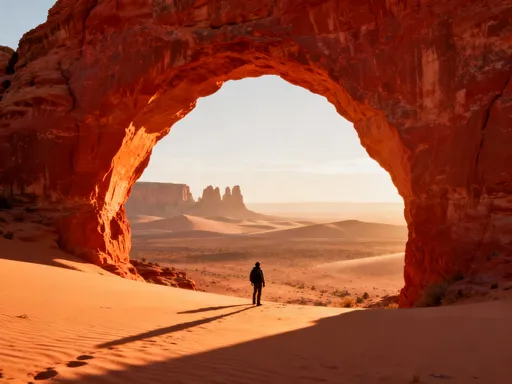
I never thought I’d find peace in red rock and silence—until I wandered beyond the crowds at Arches National Park. Sure, Delicate Arch gets all the fame, but the real magic? It’s tucked away in quiet corners most people miss. I’m talking about hidden sandstone arches that rise like secrets from the desert floor. This isn’t just sightseeing—it’s soul-stirring. Let me take you where the maps don’t, to landmarks shaped by time, wind, and wonder. These silent sentinels, carved over millions of years, stand as quiet testaments to nature’s artistry. And when you experience them not as photo backdrops but as living parts of an ancient landscape, something shifts within you. This is the journey beyond the postcard—the path to deeper connection, reflection, and awe.
The Myth of the Must-See: Rethinking Iconic Landmarks
In the age of social media and bucket lists, certain landmarks have become unavoidable symbols of travel success. In Arches National Park, that symbol is Delicate Arch—graceful, iconic, and perpetually surrounded by hikers aiming their cameras. There’s no denying its beauty, but the very fame that draws thousands each year also transforms the experience into something transactional: arrive, photograph, leave. This checklist approach to travel often overlooks a deeper truth—true connection with a place comes not from seeing the most famous feature, but from engaging with the landscape in a way that allows space for stillness, discovery, and personal meaning.
What defines a “landmark” in a place like Arches? Official signage and guidebooks may point to a few select formations, but the park contains over 2,000 documented natural stone arches. Each one tells a story of resilience, erosion, and time. When visitors focus only on the marquee names, they miss the quiet drama unfolding just off the beaten path. The real landmarks aren’t always the tallest or most photographed—they’re the ones that speak to you in moments of solitude, when the wind carries no voices but your own, and the only sound is the soft crunch of sandstone beneath your boots.
Overcrowded viewpoints, while impressive, often lack the intimacy that makes nature transformative. The presence of large groups, the pressure to move quickly, and the competition for space can dilute the emotional impact of a place. In contrast, lesser-known arches offer a more authentic encounter with the natural world. They invite contemplation rather than consumption. There’s a shift that happens when you realize you’re not just visiting a destination—you’re stepping into a living, breathing ecosystem shaped by forces far greater than human design.
This shift—from checklist tourism to meaningful exploration—is where the heart of modern travel should lie. It’s not about rejecting famous sites altogether, but about expanding our definition of what’s worth seeing. It’s about understanding that value isn’t measured in Instagram likes, but in the depth of the experience. When you choose to walk farther, wait longer, and listen more closely, you begin to see that the most profound moments in nature are rarely the ones you planned for. They’re the ones that find you.
Beyond Delicate Arch: Uncovering Hidden Gems
While Delicate Arch commands the spotlight, Arches National Park holds quieter treasures that rival it in beauty and surpass it in serenity. Three formations in particular—Landscape Arch, Double Arch, and Broken Arch—offer unforgettable experiences for those willing to explore beyond the main trails. Each stands as a masterpiece of natural sculpture, shaped by time and elemental forces, yet they remain under-visited compared to their more famous cousin. These arches aren’t hidden in the sense of being inaccessible, but they are often overlooked by travelers following standard itineraries.
Landscape Arch, located in the park’s Devils Garden area, is one of the most remarkable geological features in North America. At 290 feet long, it’s the longest natural arch on the continent. What makes it extraordinary isn’t just its span, but its delicate profile—a ribbon of stone so thin in places that sunlight filters through like a veil. Standing beneath it, you feel the awe of impermanence. This arch, though massive, is fragile. Rockfalls in the 1990s and early 2000s thinned its center, reminding visitors that even the most enduring-seeming structures are in constant conversation with erosion. Hiking to Landscape Arch takes about 1.6 miles round-trip on a well-maintained trail, but the journey feels longer due to the vastness of the surrounding desert.
Double Arch, near the park’s Windows Section, presents a different kind of wonder. Unlike single-span arches, this formation features two massive arches rising side by side from a shared base, creating a dramatic gateway that frames the sky. The effect is almost architectural, as if nature played the role of a master builder. The trail to Double Arch is short—less than a mile round-trip—but it rewards with panoramic views and a sense of discovery. Because it’s slightly off the main loop, fewer visitors make the detour, allowing for peaceful reflection. Early morning visits reveal soft golden light spilling across the twin curves, while late afternoon casts long shadows that emphasize their sculptural depth.
Broken Arch, tucked into a quiet corner of the park’s less-trafficked northern reaches, is a personal favorite. Its name comes from a large fracture in the upper span, yet the structure remains intact, standing as a symbol of resilience. The trail to Broken Arch is moderate, about 3.4 miles round-trip, and passes through a landscape of wind-carved fins and balanced rocks. What sets this hike apart is the silence. On a weekday morning, you may not see another soul. The arch itself frames a perfect view of the La Sal Mountains in the distance, creating a natural picture window into the horizon. It’s the kind of place where time slows, and the mind quiets.
To fully appreciate these hidden gems, timing is key. Visiting during off-peak hours—early morning or late afternoon—dramatically increases your chances of solitude. Summer months bring heat and crowds, so planning hikes for spring or fall offers more comfortable conditions. Weekdays are generally quieter than weekends, and starting your hike at sunrise not only avoids congestion but also provides the best lighting for photography and observation. These small adjustments in schedule can transform a routine visit into a deeply personal experience.
The Art of Seeing: How to Truly Experience a Landmark
Seeing and observing are not the same. In a world of rapid scrolling and instant imagery, many visitors to natural wonders engage in passive looking—capturing a photo without truly absorbing the moment. But to experience a landmark like a hidden arch in Arches National Park, one must move beyond visual consumption and engage all the senses. The art of seeing is the practice of presence: slowing down, tuning in, and allowing the landscape to reveal itself in layers.
Start with sound. Stand quietly beneath an arch and listen. The wind moves differently through narrow openings, creating soft whistles or low hums as it passes through stone corridors. In the stillness of early morning, you might hear the distant call of a raven or the rustle of a lizard darting across warm rock. These sounds, subtle as they are, connect you to the living ecosystem around you. They remind you that you are not just a spectator, but a participant in a dynamic environment.
Then consider touch. Run your fingers along the surface of the sandstone—carefully, without damaging the fragile crust—and feel its texture. Some areas are smooth, polished by centuries of wind-blown sand; others are rough, pitted with tiny holes from water erosion. The stone holds temperature, too. In the morning, it’s cool to the touch; by midday, it radiates warmth, storing the sun’s energy like a natural heater. This tactile engagement deepens your connection, turning an abstract view into a physical memory.
Light and shadow play a crucial role in how we perceive these formations. An arch seen at noon, under harsh sunlight, may appear flat and stark. But at sunrise or sunset, the same arch transforms. The low angle of the sun casts long shadows that emphasize depth and contour, turning stone into sculpture. The red and orange hues of the rock intensify, glowing as if lit from within. Photographers often chase the “golden hour,” but even non-photographers can benefit from witnessing these shifts. They reveal the impermanence of perception—how the same object can feel entirely different depending on the time of day.
Slowing down is the simplest yet most powerful tool for deeper appreciation. Instead of rushing from one arch to the next, spend ten minutes—twenty, even thirty—simply sitting and observing. Watch how the light moves across the stone. Notice small details: a crack where a plant has taken root, a pattern of mineral streaks, the way shadows shorten and lengthen. These quiet moments often yield the most lasting impressions. They allow space for reflection, for gratitude, for the kind of inner stillness that modern life rarely permits.
Choosing the Right Path: Trail Selection for Deeper Discovery
The trail you choose shapes your entire experience in Arches National Park. While main routes like the path to Delicate Arch are well-maintained and clearly marked, they often come with congestion, especially during peak seasons. For those seeking a more immersive and peaceful journey, under-the-radar trails offer a different rhythm—one that prioritizes discovery over destination. Selecting the right path means considering not just distance and difficulty, but also personal goals: Do you seek solitude? Physical challenge? Geological insight? The answers guide you toward a hike that aligns with your intentions.
Arches offers a range of trails, from easy walks to moderate hikes. For beginners or those traveling with family, the trail to Double Arch or the Windows Section provides accessible yet rewarding experiences. These paths are short but rich in visual variety, featuring multiple arches, balanced rocks, and sweeping desert vistas. For more experienced hikers, the Devils Garden Trail offers a loop that includes Landscape Arch and several other notable formations, including Tunnel Arch and Pine Tree Arch. This 7.2-mile loop is more demanding but leads into some of the park’s most dramatic terrain.
One of the best strategies for deeper discovery is to visit during early morning or late afternoon. Not only does this help avoid crowds, but it also enhances safety and comfort. Midday temperatures in the desert can soar, especially in summer, making hydration and sun protection critical. Morning hikes begin with cool air and soft light, while evening excursions allow you to witness the landscape’s transformation as the sun sets. Both times offer better conditions for photography and wildlife spotting—mule deer, golden eagles, and desert cottontails are more active during cooler hours.
Proper preparation is essential for a safe and rewarding exploration. Sturdy hiking shoes with good traction are a must, as sandstone can be slippery, especially on sloped surfaces. A wide-brimmed hat, sunscreen, and sunglasses protect against intense UV exposure. Carrying at least one gallon of water per person per day is strongly recommended, even for short hikes. A trail map, compass, or GPS device helps prevent disorientation, particularly on less-marked routes. Packing a small backpack with snacks, a first-aid kit, and a lightweight jacket ensures you’re ready for changing conditions.
Matching your fitness level to the trail is not just about comfort—it’s about sustainability. Choosing a hike that aligns with your physical ability allows you to enjoy the journey without exhaustion or injury. It also respects the environment, as fatigued hikers are more likely to stray from trails or leave behind waste. By selecting a path that suits your pace and interests, you create the conditions for a meaningful, memorable experience—one defined not by how far you went, but by how deeply you engaged.
Geology as Storyteller: How Arches Are Born
Beneath the beauty of every arch lies a story written in stone—a narrative millions of years in the making. The red rock formations of Arches National Park are not static sculptures but living chapters in an ongoing geological drama. Understanding how these arches form deepens our appreciation, transforming them from scenic backdrops into dynamic expressions of Earth’s creative forces. The process begins not with stone, but with salt.
Beneath the park lies a massive underground salt bed, deposited over 300 million years ago when an ancient sea evaporated. Over time, layers of sediment—sand, silt, and clay—accumulated on top, burying the salt. As these layers hardened into rock, the weight caused the salt to shift and flow, creating folds and cracks in the overlying strata. This movement gave rise to vertical rock fins—thin walls of sandstone that would eventually become the raw material for arches.
Water is the primary sculptor. Though the desert receives little rain, occasional storms send water seeping into cracks in the sandstone. When temperatures drop, this water freezes and expands, prying the rock apart in a process called frost wedging. Over time, these small fractures grow into larger openings. Wind, carrying fine sand, acts like sandpaper, smoothing and widening the gaps. Where two adjacent cracks erode through a fin, an arch is born.
Not all arches last. Some, like Wall Arch, which collapsed in 2008, fall victim to the same forces that created them. The balance between structural integrity and erosion is delicate. Landscape Arch, for example, has thinned significantly over the past century, and geologists monitor it closely for signs of instability. Yet even the threat of collapse underscores the park’s status as a living geological laboratory. Here, change is not an exception—it’s the rule.
This understanding of geology as an active, ongoing process fosters a deeper emotional connection to the land. When you realize that the arch you’re standing beneath has taken millions of years to form and may only stand for a few more centuries, you gain a sense of humility and awe. You’re not just looking at a rock—you’re witnessing a moment in time, a fleeting alignment of forces that may never occur again. This awareness invites reverence and responsibility, reminding us that we are temporary guests in a much longer story.
Respecting the Fragile: Staying Light on the Land
The desert ecosystem of Arches National Park is as delicate as it is beautiful. One of its most vital yet invisible components is cryptobiotic soil—a living crust composed of cyanobacteria, lichens, mosses, and fungi that binds the soil and prevents erosion. This crust can take decades to form, yet a single footprint can destroy it. Once damaged, the soil becomes vulnerable to wind and water erosion, which can lead to long-term degradation of the landscape. Protecting this fragile foundation is one of the most important responsibilities of every visitor.
Staying on designated trails is the simplest and most effective way to minimize impact. Trails are carefully designed to concentrate foot traffic in durable areas, reducing harm to surrounding vegetation and soil. Straying from the path, even to get a better photo, can have lasting consequences. In the desert, recovery is slow. A boot print in cryptobiotic soil may take 50 to 100 years to heal. Multiply that by thousands of visitors, and the cumulative effect becomes significant.
Leave No Trace principles are essential for preserving the park’s hidden spots. These include packing out all trash, including food scraps and biodegradable items; properly disposing of human waste (using restroom facilities or portable toilets); and avoiding the collection of natural objects like rocks or plants. Feeding wildlife, even with good intentions, disrupts natural behaviors and can lead to dependency. Respecting closures—whether for habitat restoration or safety—is also critical.
Responsible tourism isn’t about restriction—it’s about stewardship. When we choose to travel lightly, we ensure that future generations can experience the same wonders we do. We protect the solitude of places like Broken Arch and the integrity of trails leading to Landscape Arch. We honor the park not as a commodity, but as a shared treasure. Every decision—where to walk, what to take, how to behave—contributes to the larger effort of conservation.
Education plays a key role in fostering this mindset. Park rangers, visitor centers, and interpretive signs provide valuable information about the ecosystem and how to interact with it respectfully. Taking a few minutes to read these materials can transform a casual visit into an informed one. When travelers understand why certain rules exist, they’re more likely to follow them willingly. Awareness, in this context, is the first step toward preservation.
The Lasting Impression: Why Hidden Landmarks Stay With You
Some travel memories fade quickly—the crowded viewpoints, the hurried photos, the checklist completed. Others linger, resurfacing in quiet moments years later. These enduring memories are often not tied to the most famous sites, but to the unexpected encounters: the arch you found alone at dawn, the wind humming through a narrow passage, the way the light turned the stone to fire. These are the moments that stay with you, not because they were planned, but because they were felt.
Solitude in nature has a unique power to foster reflection and renewal. Without the distractions of daily life, the mind begins to settle. Thoughts slow. Emotions surface. In the silence of the desert, you may find space to process grief, celebrate joy, or simply breathe. These internal shifts are often more transformative than any external sight. The landscape becomes a mirror, reflecting not just rock and sky, but your own inner world.
Memories formed in quiet moments often outshine photo ops. A perfectly framed shot of Delicate Arch may look stunning on a screen, but it captures only a fraction of the experience. The fullness—the warmth of the sun, the scent of dry earth, the sense of awe—lives in the body and mind, not in pixels. When you allow yourself to be present, you collect not just images, but sensations, emotions, and insights. These become part of your personal narrative, shaping how you see the world and your place in it.
Seeking depth over popularity in travel is an act of intention. It requires stepping off the well-worn path, both literally and metaphorically. It means valuing experience over recognition, connection over convenience. It’s not always easy—hidden arches require more effort, more time, more patience. But the rewards are richer. You return not just with souvenirs, but with a renewed sense of wonder, a deeper respect for nature, and a quiet confidence that you’ve seen something true.
Let the land speak, and listen closely. In the red rock and silence of Arches National Park, there is more than geology and scenery. There is invitation. An invitation to slow down, to look deeper, to be still. The hidden arches are not just formations of stone—they are gateways to a different way of being. And when you walk through them, you may find that the journey changes you in ways you never expected.