Chittagong’s Best-Kept Shopping Secrets: How to Shop Like a Local Without Getting Lost
Wandering through Chittagong’s bustling markets, I realized one thing: shopping here isn’t just about buying—it’s an adventure. From vibrant bazaars to hidden street stalls, every corner pulses with energy and culture. But without the right approach, it’s easy to get overwhelmed or overcharged. This guide shares real, practical insights on navigating Chittagong’s shopping scene—how to find authentic goods, bargain smartly, and discover spots most tourists miss. It’s not just where to shop, but *how*.
Why Chittagong is a Unique Shopping Destination
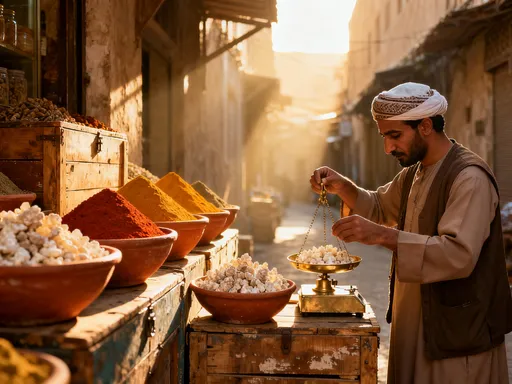
Chittagong stands apart as a city where commerce breathes with history, culture, and maritime spirit. As Bangladesh’s largest port and second-largest city, it has long served as a crossroads for regional and international trade. This legacy lives on in its markets, where the scent of cumin and cardamom mingles with the salty breeze from the Karnaphuli River. Unlike the more polished, modern shopping centers in Dhaka, Chittagong offers an unfiltered experience—one rooted in tradition, community, and daily life. Here, shopping is not a transaction; it’s a rhythm, a conversation, a way of connecting.
The city’s unique blend of South Asian, Burmese, Arab, and South Indian influences shapes not only the products available but also the way people interact in marketplaces. You’ll see brass lamps that echo Middle Eastern designs, handwoven cotton textiles reminiscent of rural Bengal, and wooden carvings that reflect tribal craftsmanship from the Chittagong Hill Tracts. These cultural layers make every purchase more than just a material exchange—they become small pieces of a larger story. For the thoughtful traveler, especially those who value authenticity and cultural depth, Chittagong’s markets offer a rare opportunity to engage with local life in a meaningful way.
What truly sets Chittagong apart is its authenticity. There are no souvenir shops designed solely for tourists, no mass-produced trinkets stamped with fake heritage. Instead, you’ll find real people selling real goods used in everyday Bangladeshi life—everything from kitchenware to prayer mats, from school uniforms to wedding saris. This rawness can be overwhelming at first, but with a little preparation and awareness, it becomes one of the most rewarding aspects of the experience. Understanding this context—knowing that you’re stepping into a living, breathing ecosystem of trade—is the first step toward shopping like a local.
Must-Visit Markets: From Zindabazar to New Market
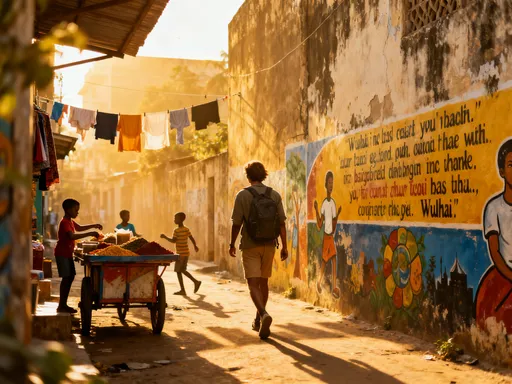
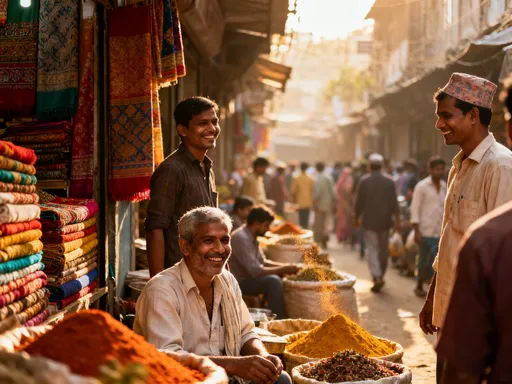
No visit to Chittagong is complete without a walk through Zindabazar, the city’s commercial heartbeat. This sprawling intersection and its surrounding lanes buzz with activity from early morning until well past dusk. Vendors spill onto sidewalks, balancing trays of mangoes, stacks of colorful plastic sandals, and racks of secondhand clothing. The air hums with the sounds of motorbikes weaving through crowds, shopkeepers calling out prices, and the sizzle of street food grills. While it may seem chaotic at first glance, there’s a method to the madness—one that reveals itself with patience and observation.
Zindabazar is particularly known for electronics, mobile accessories, and affordable fashion. It’s common to find the latest smartphone cases or Bluetooth earbuds at prices far below what you’d pay elsewhere. However, buyers should exercise caution—warranties are rare, and product quality can vary. For clothing, the area offers a wide selection of both traditional and modern wear, including ready-made kurtas, shalwar kameez sets, and even Western-style jeans and t-shirts. Bargaining is expected, and vendors often quote higher prices to first-time visitors. The key is to remain polite but firm, and never feel pressured to make a purchase.
Nearby, Hall Market provides a slightly more organized alternative. Laid out in neat rows under a covered structure, this market specializes in fabrics, household goods, and kitchenware. It’s an excellent place to buy cotton and silk materials for tailoring, especially if you’re looking to have something custom-made. Prices here are generally fairer than in more tourist-facing areas, and the vendors are often more willing to offer discounts for bulk purchases. Early mornings are the best time to visit, when the heat is manageable and the market is less crowded, allowing for easier navigation and better conversation with sellers.
Another essential stop is New Market, a historic shopping complex that, while showing signs of age, remains a favorite among locals. Spread across multiple floors, it houses hundreds of small shops selling everything from perfumes and jewelry to children’s toys and school supplies. What makes New Market special is its diversity—within a single building, you can find imported chocolates from India, handmade prayer beads, and locally produced cosmetics. The upper floors tend to be quieter and less touristy, making them ideal for those seeking a more relaxed shopping experience. As with all busy markets, it’s wise to keep an eye on personal belongings and avoid displaying valuables openly.
Off-the-Beaten-Path Stalls and Local Artisans
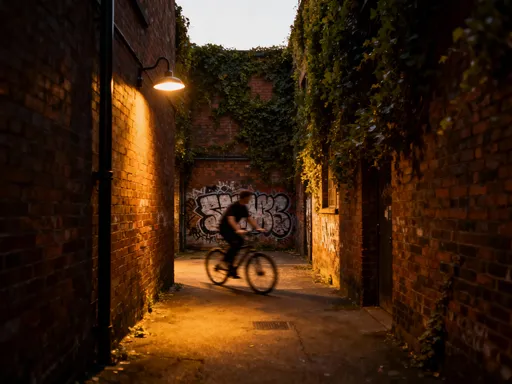
Beyond the well-trodden paths of Zindabazar and New Market lie quieter, lesser-known corners where craftsmanship thrives in near-silence. These are the workshops and street-side stalls run by artisans who have spent decades perfecting their trades. Tucked away in narrow lanes of neighborhoods like Panchlaish or along the quieter stretches near the Karnaphuli River, these hidden gems offer some of the most authentic and meaningful souvenirs a traveler can find.
One such craft is jute weaving. Once dubbed “golden fiber,” jute has deep roots in Bangladesh’s agricultural and industrial history. In small family-run shops, you’ll find artisans turning raw jute into durable bags, mats, and decorative items. These pieces are not only eco-friendly but also carry the texture of tradition. Unlike mass-produced versions sold in tourist areas, handmade jute goods are sturdy, uniquely textured, and often adorned with subtle embroidery or natural dyes. Speaking with the makers—many of whom welcome brief conversations—adds depth to the experience and ensures your purchase supports a real livelihood.
Another standout is brassware. Skilled metalworkers in Chittagong still use age-old techniques to shape bowls, trays, and decorative items from brass and copper. These items are often used in homes for serving food or during religious ceremonies. The craftsmanship is evident in the smooth finishes and intricate engravings, each piece reflecting hours of meticulous handwork. Visiting these small workshops allows travelers to see the process firsthand, from molten metal pouring to final polishing. Many artisans appreciate interest in their work and may even demonstrate their techniques if approached with respect and curiosity.
To find these artisans, it helps to ask locals for directions or simply wander with intention. A smile and a simple question like “Where do people buy handmade things?” in broken Bengali can lead to unexpected discoveries. These interactions often result in fairer prices and a more personal connection. More importantly, they ensure that your spending goes directly to the creator, not a middleman. In a world of globalized retail, such moments of human connection are rare—and deeply valuable.
The Art of Bargaining: Rules, Rhythms, and Respect
Bargaining is not just accepted in Chittagong’s markets—it’s expected. However, it’s not a contest to be won but a dance of mutual understanding. The goal is not to drive the price down to nothing, but to reach a fair agreement that leaves both buyer and seller satisfied. This subtle balance is what makes bargaining in Chittagong both challenging and rewarding, especially for travelers unfamiliar with the rhythm of informal commerce.
A good rule of thumb is to start at 40 to 50 percent of the initial asking price. For example, if a vendor quotes 500 taka for a handwoven scarf, begin your offer at around 200 to 250 taka. This signals that you understand the game without being disrespectful. Always maintain a friendly demeanor—smile, make eye contact, and avoid showing frustration. Humor can go a long way; a light comment about the heat or the weight of your shopping bag can ease tension and open the door to a better deal.
Language plays a powerful role in this exchange. Even knowing a few basic Bengali phrases can build rapport. “Eta koto?” (How much is this?) is essential, but adding “Ami dekhtechi” (I’m just looking) gives you space to observe without pressure. If the price still feels too high, politely say “Beshi meyeche” (It’s too expensive) and start to walk away. More than once, this simple act has led to a vendor calling out a lower price just before I turned the corner. The key is to be patient and never appear desperate.
It’s also important to recognize when to stop. If a vendor lowers the price significantly but you continue pushing, you risk crossing the line from smart bargaining to exploitation. Remember, many of these sellers rely on daily sales to support their families. A fair deal is one where both parties feel respected. Over time, you’ll develop a sense for this balance—one that comes not from calculation, but from observation and empathy.
What to Buy (and What to Skip)
With so many options, knowing what to buy—and what to avoid—can make all the difference in your shopping experience. The most rewarding purchases are those that reflect Chittagong’s local identity: handcrafted, functional, and culturally meaningful. Textiles top this list, particularly cotton and silk fabrics used for traditional clothing. Look for materials with tight weaves and natural dyes—signs of quality and durability. Many travelers buy fabric here to have custom garments made by local tailors, often at a fraction of the cost of ready-made versions.
Another excellent choice is tea from Sylhet, one of Bangladesh’s most famous tea-growing regions. While not produced in Chittagong, it is widely available in local markets and sold in simple, unbranded packaging. High-quality Sylheti tea has a rich aroma and deep amber color when brewed. Buying it from a trusted vendor ensures freshness and supports small-scale distributors. Similarly, handmade paper products—such as notebooks or greeting cards made from recycled materials—are both eco-friendly and unique. These are often sold by social enterprises that employ women or underprivileged communities, making your purchase a small act of empowerment.
On the other hand, there are items best left on the shelf. Mass-produced plastic souvenirs, imitation branded goods, and cheap electronics should be approached with caution. These are often imported from abroad and offer little cultural value. Worse, they may break quickly or pose safety risks. Electronics, in particular, rarely come with warranties, and voltage compatibility can be an issue for international travelers. If you do buy something electronic, test it on the spot and ensure it matches your country’s standards.
When evaluating quality, use your senses. Feel the weight of a brass bowl—authentic pieces are heavier than plated imitations. Smell spices directly; fresh ones have a strong, clean aroma. Examine stitching in textiles; uneven or loose threads may indicate rushed production. These small checks help ensure you’re getting genuine value. Ultimately, the best souvenirs are not the cheapest or flashiest, but those that carry a story—one you can share with pride when you return home.
Staying Safe and Comfortable While Shopping
Shopping in Chittagong’s vibrant markets is exhilarating, but it also demands awareness and preparation. The combination of large crowds, intense heat, and constant sensory input can quickly become overwhelming, especially for visitors unaccustomed to tropical climates. Staying safe and comfortable is not just about avoiding pickpockets—it’s about preserving your energy and enjoyment throughout the day.
Start with what you carry. Use a secure crossbody bag or waist pouch to keep essentials like cash, phone, and ID close to your body. Avoid large backpacks or open tote bags, which are easy targets for theft. Carry small denominations of Bangladeshi taka—vendors appreciate exact change, and it makes bargaining smoother. Keep larger bills hidden and only access them when necessary. If you’re using a phone to take photos or check maps, do so discreetly and return it to your pocket quickly.
Dress appropriately for the climate and culture. Lightweight, breathable clothing in modest cuts is ideal. Long sleeves and pants offer protection from both the sun and cultural sensitivities, especially when visiting religious sites or conservative neighborhoods. Wear comfortable, closed-toe shoes—many markets have uneven pavement or require standing for long periods. A wide-brimmed hat and sunglasses can provide additional relief from the sun, while a small handheld fan or cooling towel can be a lifesaver during midday heat.
Hydration is critical. Carry a reusable water bottle and refill it regularly. Bottled water is widely available and affordable, but avoid ice in drinks unless you’re certain it’s made from purified water. Take breaks in shaded areas or nearby tea stalls, where you can rest, sip a cool drink, and observe the market’s rhythm. These pauses not only prevent exhaustion but also give you time to reflect on your purchases and plan your next move.
When moving between markets, auto-rickshaws are a convenient option. To avoid overcharging, agree on the fare before getting in or use a ride-hailing app if available. If you’re unsure of the route, show the driver a written destination or use a map on your phone. Walking is another option for shorter distances, but stay aware of traffic and stick to pedestrian paths when possible. With these simple precautions, you can shop with confidence and focus on what matters most—the experience itself.
Turning Shopping into a Cultural Experience
At its best, shopping in Chittagong transcends commerce and becomes a form of cultural immersion. When you shift your mindset from consumer to participant, the market transforms from a place of transactions into a living museum of everyday life. Every vendor has a story, every product a history, and every interaction a chance to connect. This deeper engagement doesn’t require grand gestures—just presence, respect, and curiosity.
Begin with small gestures. A smile, a nod, a simple “Dhonnobad” (thank you) in Bengali can brighten a vendor’s day and open the door to conversation. Ask where something was made, how long it took to craft, or what it’s typically used for. Most sellers are happy to share, especially when they sense genuine interest. These exchanges enrich your understanding and often lead to unexpected recommendations—like a hidden tea stall or a family-run workshop just around the corner.
By choosing to buy directly from artisans and small vendors, you contribute to local economies in a tangible way. Your purchase helps a mother send her child to school, a craftsman repair his tools, or a family afford a meal. This ripple effect is invisible but powerful. Mindful shopping—buying less but with greater intention—aligns with sustainable travel principles and fosters dignity in exchange.
In the end, the items you bring home are not just souvenirs. They are tokens of connection—reminders of voices heard, hands shaken, and moments shared. They carry the scent of spices, the texture of hand-spun cotton, the weight of brass shaped by fire and skill. And when you unfold that scarf or pour tea from that handmade pot, you’re not just remembering a place. You’re honoring it. Chittagong’s markets teach us that the true value of shopping lies not in what we take, but in what we give—and in the relationships we build along the way.