You Won’t Believe How Easy It Is to Capture Austin’s Soul
Austin isn’t just about live music and breakfast tacos—it’s a visual love letter to creativity and authenticity. I went searching for moments, not just sights, and found experiences that practically photograph themselves. From vibrant street art alleys to golden-hour kayak glides on Lady Bird Lake, every corner pulses with vibe. This is travel through feeling, framed by real, unfiltered moments you don’t just see—you live them. Photography here becomes less about perfect composition and more about catching the city’s rhythm: a guitarist lost in a solo, a mural glowing under morning light, a cyclist coasting past wildflowers along the trail. Austin rewards those who wander with intention and heart.
Why Austin is a Hidden Gem for Authentic Travel Photography
Austin stands apart from other American cities not because it’s the largest or most historic, but because it breathes authenticity. Its identity isn’t manufactured—it evolves organically from a culture that values self-expression, sustainability, and community. For photographers, this means scenes unfold naturally, without the need for staging or forced angles. There’s no shortage of color, texture, or emotion in everyday moments: a barista handing over a locally roasted latte, a street performer swaying to his own beat, or a family picnicking beneath live oaks draped in fairy lights. These are not tourist attractions engineered for Instagram—they’re slices of real life, rich with visual storytelling potential.
What makes Austin particularly compelling for travel photography is how seamlessly its creative energy translates into visuals. The city’s unofficial motto—“Keep Austin Weird”—is more than a slogan; it’s a mindset that encourages individuality and resists commercial homogenization. This results in a landscape where vintage neon signs coexist with cutting-edge architecture, and where murals transform blank walls into cultural landmarks. Unlike destinations where authenticity feels curated, Austin’s charm lies in its spontaneity. You don’t have to search hard for a striking image; often, it finds you.
Photographing Austin is less about capturing landmarks and more about documenting atmosphere. The golden glow of sunset on the Congress Avenue Bridge, the laughter spilling from a backyard beer garden, or the quiet focus of an artist at work in a shared studio—all carry emotional weight. These moments resonate because they reflect the city’s soul: inclusive, dynamic, and deeply human. For travelers seeking meaningful visuals, Austin offers something rare—a place where every photograph tells a story that feels both personal and universal.
Picking the Right Spots: Where Culture Meets Camera-Ready Charm
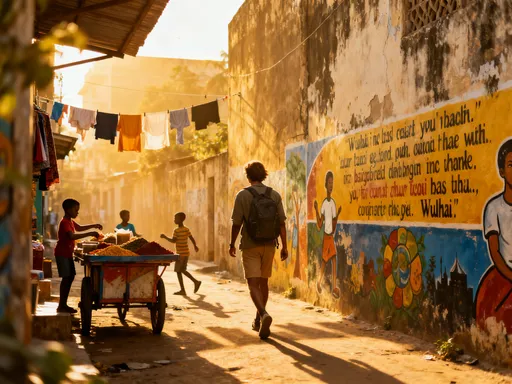
Choosing the right locations in Austin is about balancing visual appeal with cultural significance. The most memorable photographs come from places where daily life unfolds with character and color. East Austin and South Congress (SoCo) are two neighborhoods that consistently deliver. East Austin, once an overlooked part of the city, has blossomed into a hub of artistic expression. Its streets are lined with bold murals, independent boutiques, and food trucks serving globally inspired dishes. Here, photography becomes an act of discovery—each block offers a new palette of textures, from weathered brick walls to hand-painted signs in turquoise and coral.
South Congress, meanwhile, blends retro charm with modern flair. It’s a place where cowboy boots meet vegan cafes and vintage shops. The wide sidewalks invite slow exploration, making it ideal for candid street photography. Early morning visits reveal the neighborhood before the crowds arrive—soft light spills across pastel storefronts, and shop owners sweep their porches, setting the tone for the day. By mid-afternoon, the energy shifts: musicians tune up on corners, dogs lounge outside pet boutiques, and couples browse handmade jewelry. Timing your visit to catch these transitions enhances the depth of your images.
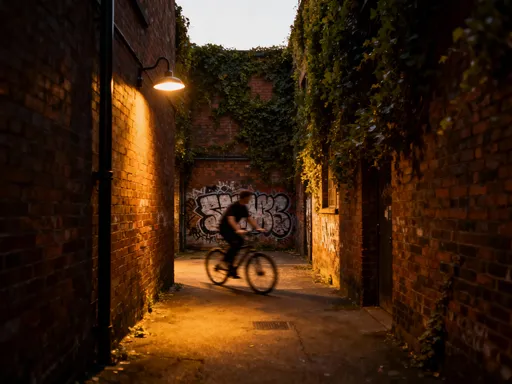
Golden hour—the hour after sunrise and before sunset—transforms Austin’s ordinary streets into cinematic backdrops. During this time, the low-angle sunlight casts long shadows and warms even the most mundane scenes. A simple alleyway becomes a corridor of light and contrast; a row of bikes leans against a graffiti-covered wall, glowing in amber tones. To make the most of this light, plan your walks around these times. Carry a small notebook or use your phone to log promising spots during the day, then return when the lighting is optimal.
When photographing people, the key is respect and awareness. Avoid intrusive behavior by observing first, then shooting discreetly when appropriate. Use zoom lenses or shoot from slightly elevated angles to maintain distance while preserving authenticity. Look for recurring patterns—like a vendor setting up his stand or children playing near a fountain—and wait for the moment when action aligns with composition. These images feel alive because they capture rhythm, not just appearance.
Top 5 Experiences That Guarantee Showstopping Shots
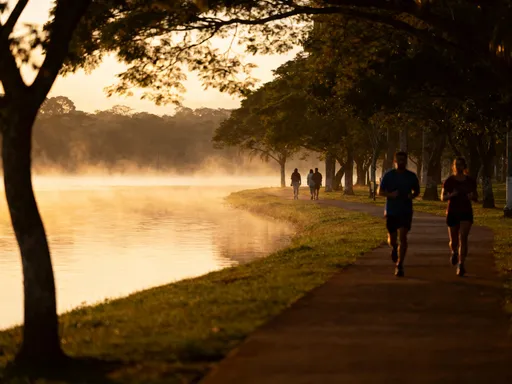
Certain experiences in Austin offer unparalleled photographic opportunities, combining natural beauty, cultural vibrancy, and dynamic movement. First is kayaking on Lady Bird Lake at sunrise. As the city stirs, the water reflects a pastel sky, and the skyline emerges in soft silhouette. Paddling quietly through the mist, you’ll pass herons wading along the shore and runners jogging the trail. With a waterproof camera or phone in a protective case, you can capture reflections, wildlife, and the peaceful rhythm of morning on the water. The stillness of the lake contrasts beautifully with the growing energy of the city, creating layered, emotionally resonant images.
Second is exploring Austin’s legal graffiti zones, such as the former HOPE Outdoor Gallery or current designated mural parks. These spaces are open-air galleries where artists rotate regularly, ensuring fresh visuals with each visit. The walls explode with color, symbolism, and texture—perfect for close-ups or wide-angle shots. Arrive early to avoid crowds and take time to study each piece. Some murals invite interaction, with phrases like “You Are Beautiful” or “Dream Loud” encouraging passersby to engage. Including a person in the frame—whether a friend posing or a stranger pausing to read a message—adds scale and humanity.
Third is catching live music on 6th Street or in the Red River Cultural District. While 6th Street is known for its nightlife, daytime hours offer quieter moments—musicians tuning instruments, soundchecks echoing from open doors, or vintage signs glowing under shaded awnings. For performance shots, position yourself near the stage edge, using natural indoor lighting to your advantage. Capture not just the performers but the audience: hands clapping, eyes closed in song, drinks raised in celebration. These images convey energy and connection, two defining elements of Austin’s music scene.
Fourth is visiting the botanical areas within Zilker Park, especially the Zilker Botanical Garden. This 26-acre oasis features themed gardens—Japanese, herb, rose, and cactus—each offering distinct photographic moods. Morning light filters through bamboo groves, dew clings to petals, and koi glide beneath lily pads. Use macro settings to highlight details: a bee on a sunflower, raindrops on a leaf, or the intricate pattern of a butterfly’s wing. The garden’s winding paths encourage slow, mindful walking, allowing you to anticipate and compose shots with care.
Fifth is biking the Ann and Roy Butler Hike-and-Bike Trail, a 10-mile loop around Lady Bird Lake. This trail is a living snapshot of Austin’s active, outdoor-oriented lifestyle. Cyclists, joggers, and dog walkers share the path, framed by native wildflowers, towering pecans, and occasional deer sightings. Stop at the Congress Avenue Bridge overlook to photograph bats emerging at dusk during warmer months—a unique natural spectacle. Carry a compact camera or smartphone with a good lens; the trail’s constant motion calls for quick, responsive shooting. The blend of nature and urban life makes this route one of the most photogenic in the city.
How to Turn Movement into Magic: Capturing Live Moments
One of Austin’s greatest photographic strengths is its motion—people playing, dancing, biking, creating. To capture this energy in still images, certain techniques elevate your results. Burst mode, available on most smartphones and digital cameras, allows you to take multiple rapid shots in succession. This is invaluable when photographing musicians mid-strum, cyclists rounding a bend, or food trucks flipping tacos. Among a series of images, one will likely contain the perfect expression, gesture, or alignment.
Natural lighting plays a crucial role in conveying movement. Avoid harsh midday sun, which creates unflattering shadows and blown-out highlights. Instead, shoot during the softer light of early morning or late afternoon. Side lighting, when the sun hits a subject from the side, enhances texture and dimension—ideal for capturing the folds of a guitarist’s jacket or the ripple of water behind a kayak. Backlighting, with the sun behind your subject, can create dramatic silhouettes, especially effective during sunset on the trail or at the lake.
Leading lines are another powerful tool. Austin’s urban design offers many—bike lanes stretching into the distance, rows of outdoor tables at a market, or the curve of a bridge railing. Use these to guide the viewer’s eye toward the focal point of your image. A cyclist moving along a diagonal path draws attention naturally, creating a sense of direction and momentum. Combine leading lines with a slightly slower shutter speed (if your device allows) to suggest motion blur, adding dynamism without losing clarity.
Patience and observation are just as important as technical skill. Spend time in one location before raising your camera. Watch how people move, where light falls at different times, and when activity peaks. At a live music venue, for example, the most expressive moments often occur between songs—when a singer wipes sweat, shares a joke, or hugs a bandmate. These unguarded seconds carry more emotional truth than any staged performance shot. By staying present and attentive, you train your eye to anticipate the decisive moment—the split second when everything aligns.
Local Life Through the Lens: Connecting Without Intruding
Photographing people in their daily lives requires sensitivity and respect. Austin’s culture thrives on inclusivity and warmth, and your approach should reflect those values. When photographing individuals—especially in markets, parks, or festivals—start with eye contact and a smile. This small gesture establishes trust and often leads to natural interaction. Many locals are happy to be photographed if asked politely, especially if you show genuine interest in their story.
If you prefer candid shots, use discretion. Shoot from a distance with a zoom lens or from the side, avoiding direct eye contact that might feel invasive. Focus on capturing actions rather than faces—hands arranging produce at a farmers’ market, a child reaching for a balloon, or a couple sharing a meal under string lights. These images convey atmosphere without compromising privacy.
Farmer’s markets like the SFC Farmers’ Market at Republic Square or the Barton Creek Farmers Market are ideal for ethical street photography. Vendors display vibrant produce, handmade goods, and hand-lettered signs—all rich in color and detail. Engage in conversation first; ask about their products or where they’re from. Often, they’ll welcome a photo, especially if you mention sharing it later. These interactions not only yield better images but also deepen your connection to the place.
Neighborhood festivals, such as East Austin Studio Tour or Pecan Street Festival, offer lively, photo-rich environments. Here, art, music, and community converge. People expect to be seen and often dress expressively, making for visually engaging scenes. Move slowly through the crowd, letting moments unfold. Look for interactions—a dancer teaching a child, a chef plating food, a group laughing over lemonade. These images tell stories of connection, celebration, and belonging, capturing the essence of Austin’s spirit.
Gear That Works—Without Weighing You Down
Photographing Austin should feel effortless, not burdensome. The city is best explored on foot, by bike, or by kayak—activities that demand lightweight, practical gear. A mirrorless camera with a 24-70mm lens offers excellent versatility, balancing image quality with portability. For smartphone users, modern devices with dual or triple lenses provide impressive results, especially when paired with clip-on wide-angle or macro attachments.
A polarizing filter is highly recommended for water and sky shots. It reduces glare on Lady Bird Lake, enhances cloud definition, and deepens blue tones—making sunrise and sunset photos more vivid. A compact tripod or mini GorillaPod allows for stable long-exposure shots, useful for capturing light trails on the trail or bat flights at dusk. Keep accessories minimal: a lens cloth, extra batteries or power bank, and a protective case for changing weather.
Comfort is part of your gear. Austin’s climate ranges from hot summers to mild winters, but sun exposure is constant. Wear a wide-brimmed hat, apply sunscreen, and carry a refillable water bottle—staying hydrated keeps you alert and mobile. A crossbody bag or small backpack distributes weight evenly, leaving your hands free for shooting. Choose clothing in neutral tones to avoid drawing attention, helping you blend into the environment and capture more natural moments.
Don’t overlook audio. Many experiences—live music, street performers, children laughing—are as much about sound as sight. Consider a small voice recorder or use your phone to capture ambient audio. Later, pairing a photo with its original soundscape can deepen the memory and enrich storytelling, especially when sharing your journey with family or friends.
Putting It All Together: Your Austin Story, Frame by Frame
Photography in Austin is more than collecting images—it’s about crafting a personal narrative. Each photo becomes a chapter: the quiet start at dawn on the lake, the burst of color in a mural alley, the shared smile with a local artisan. When you return home, these frames don’t just decorate a wall; they reconnect you to a feeling, a rhythm, a moment of joy. The most powerful travel photography doesn’t aim for perfection—it seeks truth.
As you review your shots, look beyond technical quality. Ask: Does this image make me remember how I felt? Did it capture the light, the laughter, the surprise of a hidden courtyard? The best photographs from Austin are those that transport you back—not just to a place, but to a state of being. They remind you of slow mornings, unplanned conversations, and the freedom of wandering without a map.
Let your journey be guided by curiosity, not checklist tourism. Skip the crowded viewpoint if a quiet garden calls to you. Stay longer at the market if a story unfolds. Allow space for the unexpected—a sudden rain shower, a street parade, a dog wearing sunglasses. These are the moments that become treasured images, not because they’re flawless, but because they’re real.
Austin invites you to see with your heart. Its soul isn’t locked behind glass or ticketed at the door—it’s in the streets, on the trails, in the music, and in the people who call this city home. Pick up your camera, step outside, and let the city guide your lens. You won’t believe how easy it is to capture not just what Austin looks like—but what it feels like.